Tuju - São Paulo
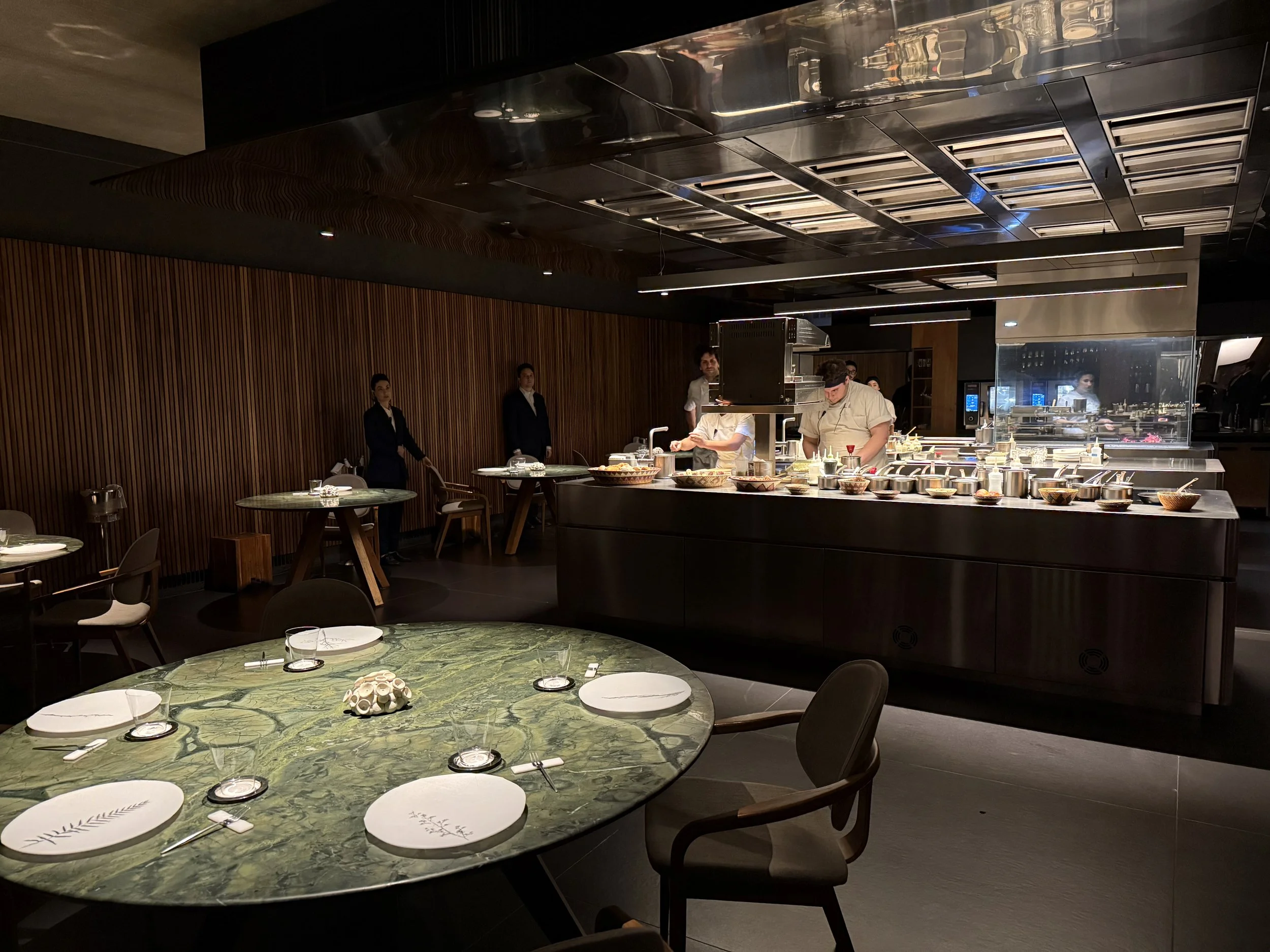
Main dining room with open kitchen
Rating: 17/20
Where: São Paulo, Brazil
When: Dinner for 2 on 7 May 2026
Cost per Person: Tasting menu 1650 BRL ($335), Wine Pairing 1150-2300 BRL ($230-$465)
Accolades: 3 Michelin Stars, #70 on World's 50 Best Restaurants list (2025)
Why: Seasonal cuisine with ingredients from São Paulo state; some stellar dishes
The restaurant “Tuju” in São Paulo is named after a Latin-American bird called a “short-tailed nighthawk” in English. We should be thankful that chef Ivan Ralston didn't open his restaurant in an English-speaking country - its name wouldn't have rolled off the tongue quite as easily. Chef Ralston used to be a musician, graduating from renowned Berklee College. But he has long since switched to cooking, and has worked at Michelin-starred restaurants around the world, including El Celler de Can Roca and Mugaritz in Spain, and Tokyo’s Ryugin. He opened Tuju in 2014, and these days it is located in a modern, bespoke building at the end of a somewhat nondescript, dimly-lit cul de sac in the Jardim Europa neighborhood of São Paulo. The restaurants occupies the entirety of the three-level structure - clearly some serious money has been spent here. Dinners commence on the ground floor with some appetizers, then continue on the second floor for the majority of the meal, and finally conclude on the top floor with some final bites and coffee. Quite similar to Stockholm's Frantzén, but without a doorbell to ring.
Only one year after opening, Tuju gained its first Michelin star in the inaugural guide for Brazil. A second star followed in 2018, and in 2026, it was one of the two first restaurants to receive three Michelin stars in Brazil (or in Latin America, for that matter).
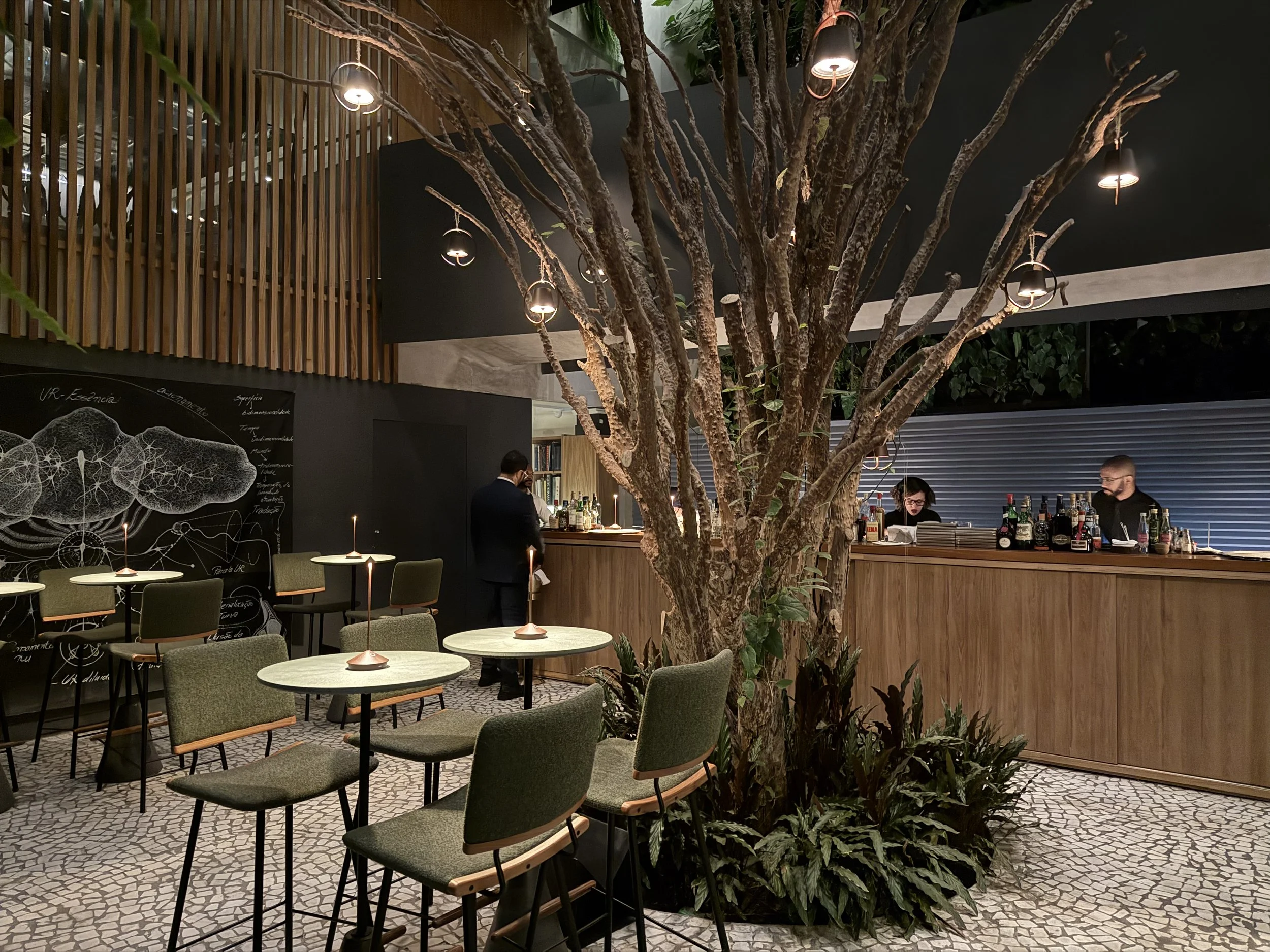
We dined at Tuju on a balmy night in early May. Our meal started in an interior courtyard on the building's ground floor. A glassed-in wine cellar was at one side of the courtyard and extended several stories above us (reminding me a bit of Alchemist). Sitting at our small high-top table,and looking at the tree in the middle of the courtyard, all atmospherically lit with small lamps, one could almost feel like being outside. The far-away ceiling might as well have been the open sky.
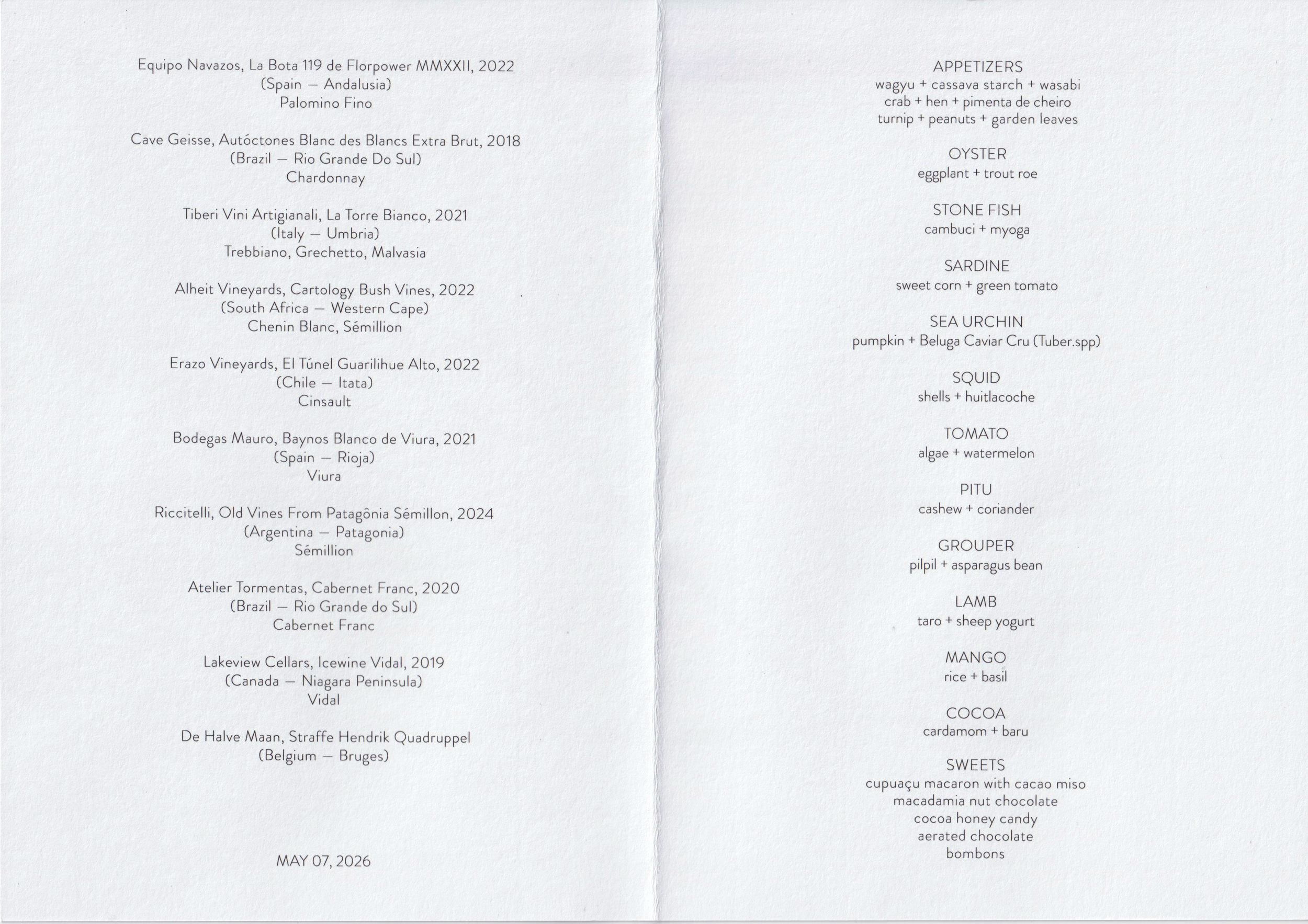
No food-related choices had to be made, since Tuju served a fixed tasting menu. The menu changed every three months with the local seasons; we arrived near the end of the “Rain” season, but also got to try a dish from the upcoming “Wind” season. Two wine pairings were available, one with about half the wines from South America (1150 BRL, about $230), the other featuring more well-known European producers (2300 BRL, $465). In addition, there was a non-alcoholic pairing for 600 BRL ($120). The wines in the “cheaper” pairing were all quite good. There was less of a focus on Brazilian wines as there had been at our dinners at D.O.M. and Evvai, but the sommelier made good use of the additional flexibility to pair the wines with the food. Since the pairing started only after a series of appetizers, I opted for an aperitif - a cupuaçu-based mocktail. It was on the lighter side - nobody would mistake this for an actual cocktail -, but thanks to its lack of strong flavors, it went quite well with the first few bites.
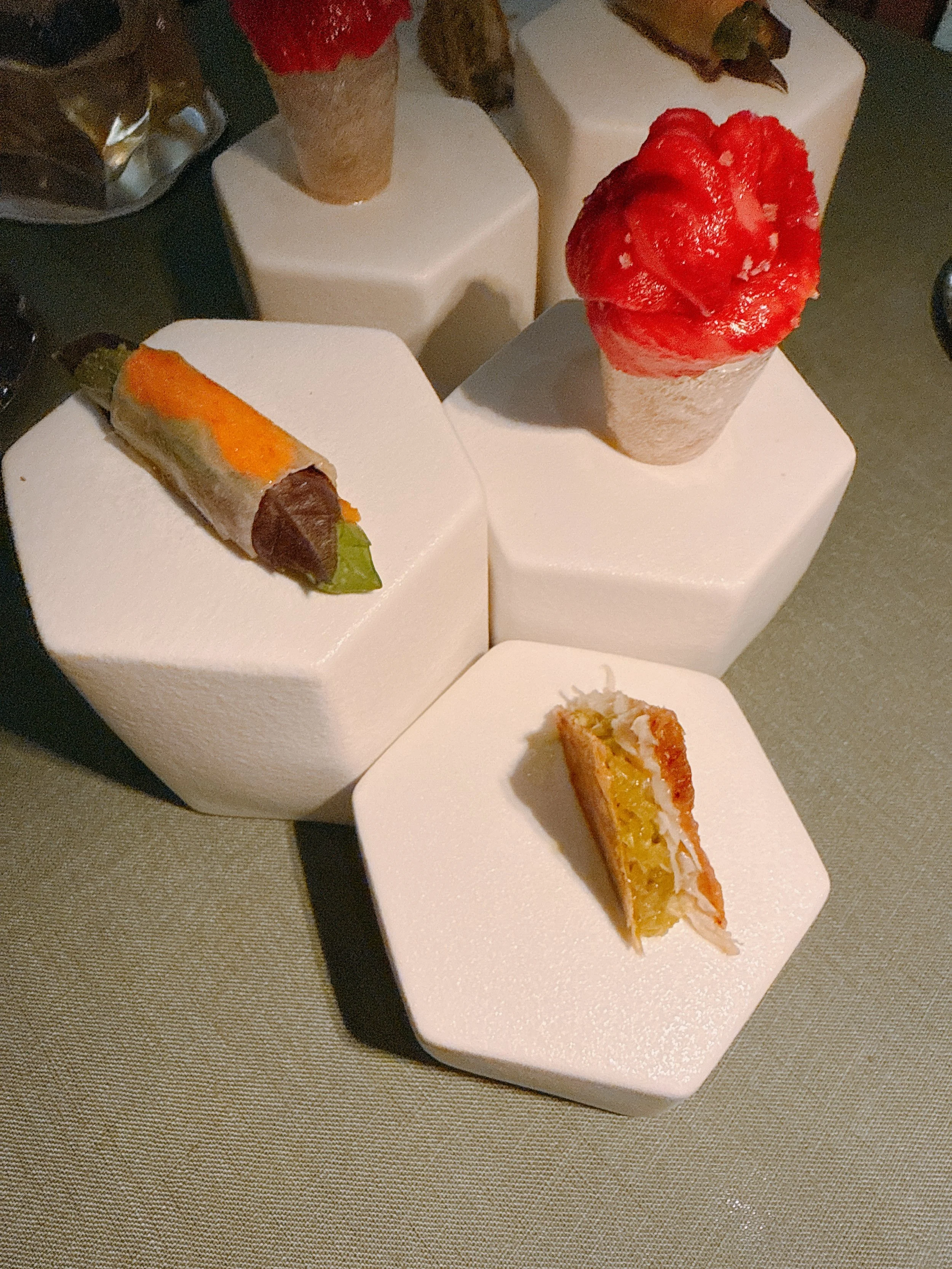
A total of three appetizers were served in the courtyard. The first one was a play on a “bikini sandwich”. This version used chicken skin instead of bread, and was filled with crab meat and peppers. The chicken skin was crunchy and the peppery filling tasted fresh. Unfortunately, the “sandwich” felt a bit oily overall, probably thanks to the chicken skin. Still good, but maybe with some room of improvement 17. A slice of turnip was wrapped around a filling of peanuts and herbs. Crunchy, and tasting very fresh, herbal, and somewhat minty 17. Lastly, we tried a wagyu carpaccio seasoned with wasabi, sitting atop a crunchy tapioca base. The beef was of good quality, and was intensely flavored thanks to the wasabi. A somewhat rustic presentation, but very good 17.
At this point, we led to the main dining room on the floor above (see picture at the beginning). An open kitchen was surrounded by tables, arranged so that every diner had a good view of the action. Said action was almost eerily quiet, and it took me a minute to figure out how the chefs knew what to work on. It turned out that everyone was wearing headphones, and chef Ralston would whisper into a microphone, telling each station what to prepare next.
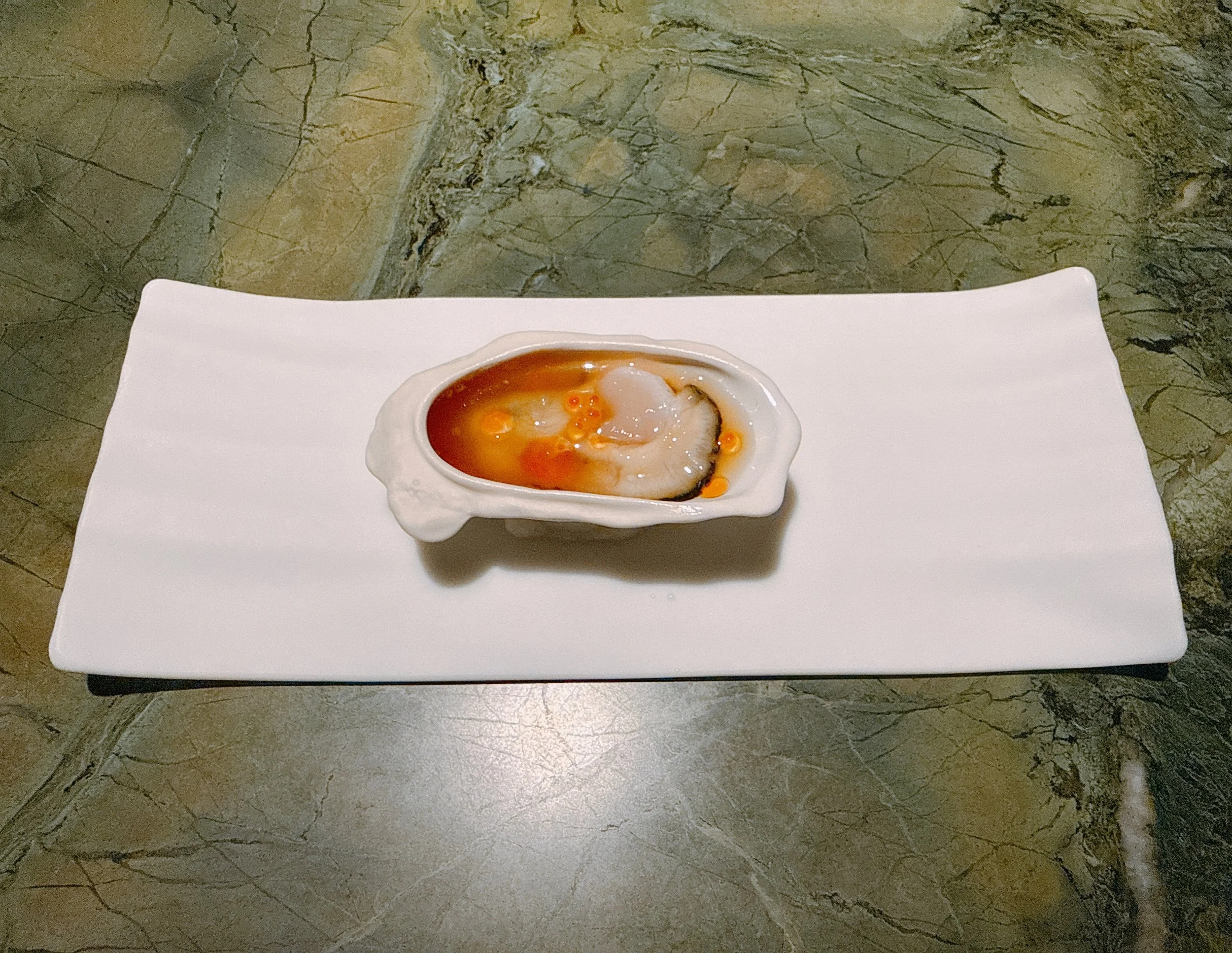
The start of our ten-course tasting menu (and the wine pairing) was an oyster dish. The oyster from nearby Santa Catarina was served in an oyster-shell-shaped ceramic vessel, and came with a smoked eggplant broth and trout roe. Thanks to its serving vessel, this oyster could be slurped in the “usual” way. And it had indeed a good oyster flavor, combined with maybe a hint of eggplant, and some added texture from the roe 17.
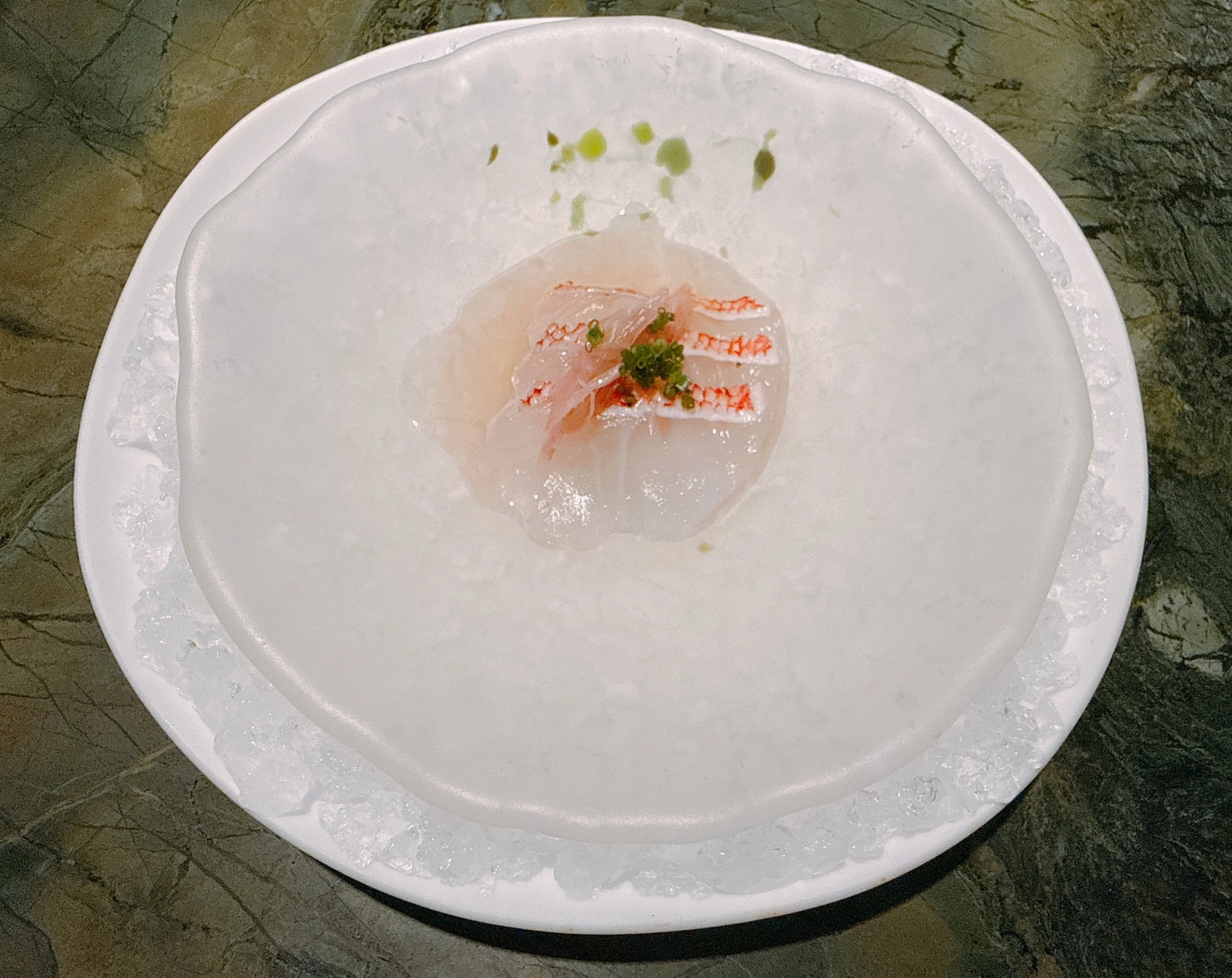
Three slices of raw scorpionfish were served with pickled myoga (young ginger), an avocado cream, and a sauce made of cambuci - reportedly one of the most acidic fruits in the world. This sauce was delicious, being both aromatic and acidic at the same time. The avocado added some fruitiness to the dish. The fish was fine, but had some chewy parts. With a slightly more agreeable cut of fish, this dish could have been superb 17.
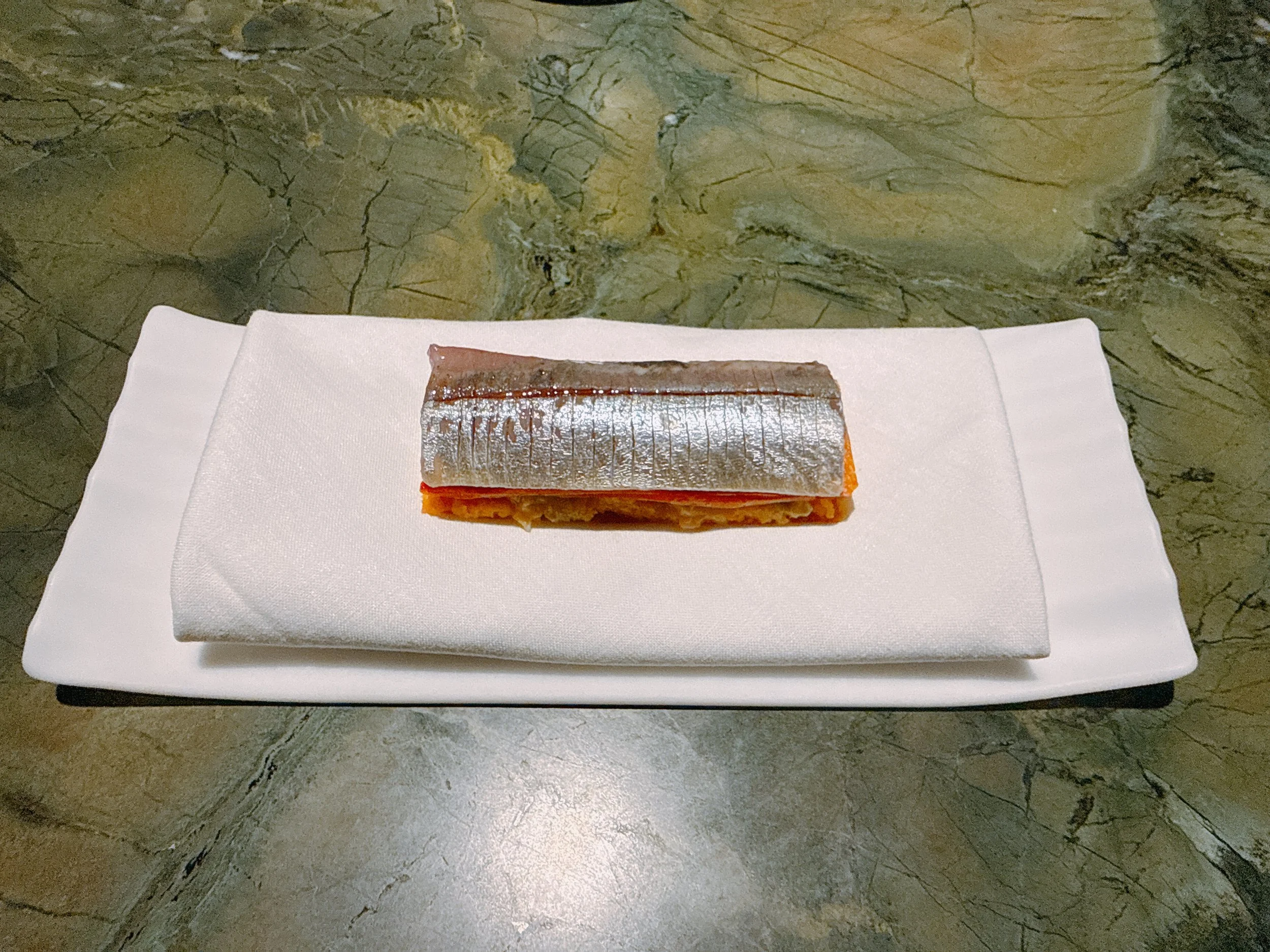
The following course was not part of the current “Rain” season menu, but of the following one, scheduled to start two weeks after our visit. The presentation was a play on a “cuscuz paulista”, a dish originating from São Paulo. A base of corn was topped with chopped bell peppers, olives, tomatoes, olive oil, and a freshly marinated sardine. A tad oily, this dish was heavier and more rustic than the previous ones. To me, it actually tasted mostly of bell peppers, tomatoes and olives, and not so much of fish. My dining companion thought the opposite, so maybe it depended on the actual cut of fish used? In any case, I appreciated that this dish was done in a straightforward, rather than, say, a deconstructed fashion, so that one could imagine what a cuscuz paulista would actually taste like 16.
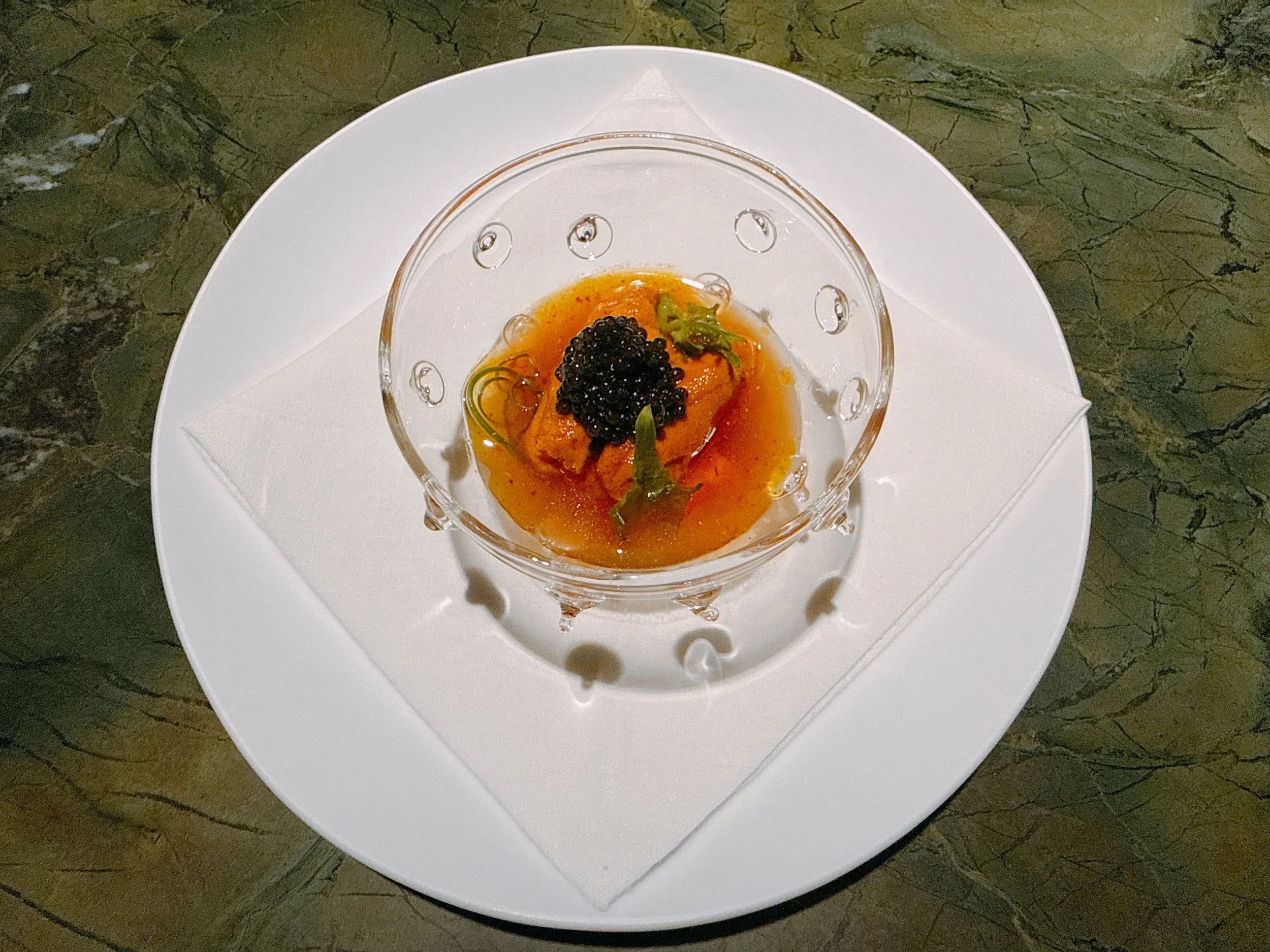
Uni (sea urchin) from Santa Catarina was served with little pumpkin cubes, pumpkin seeds, and Beluga caviar. The dish was presented cold, and had a variety of flavors: from the herbs, the uni, the not-too-sweet pumpkin, and the lightly acidic sauce. There was a nice combination of textures as well: crunch from the pumpkin, creaminess from the uni. Overall, a very well balanced dish 17.
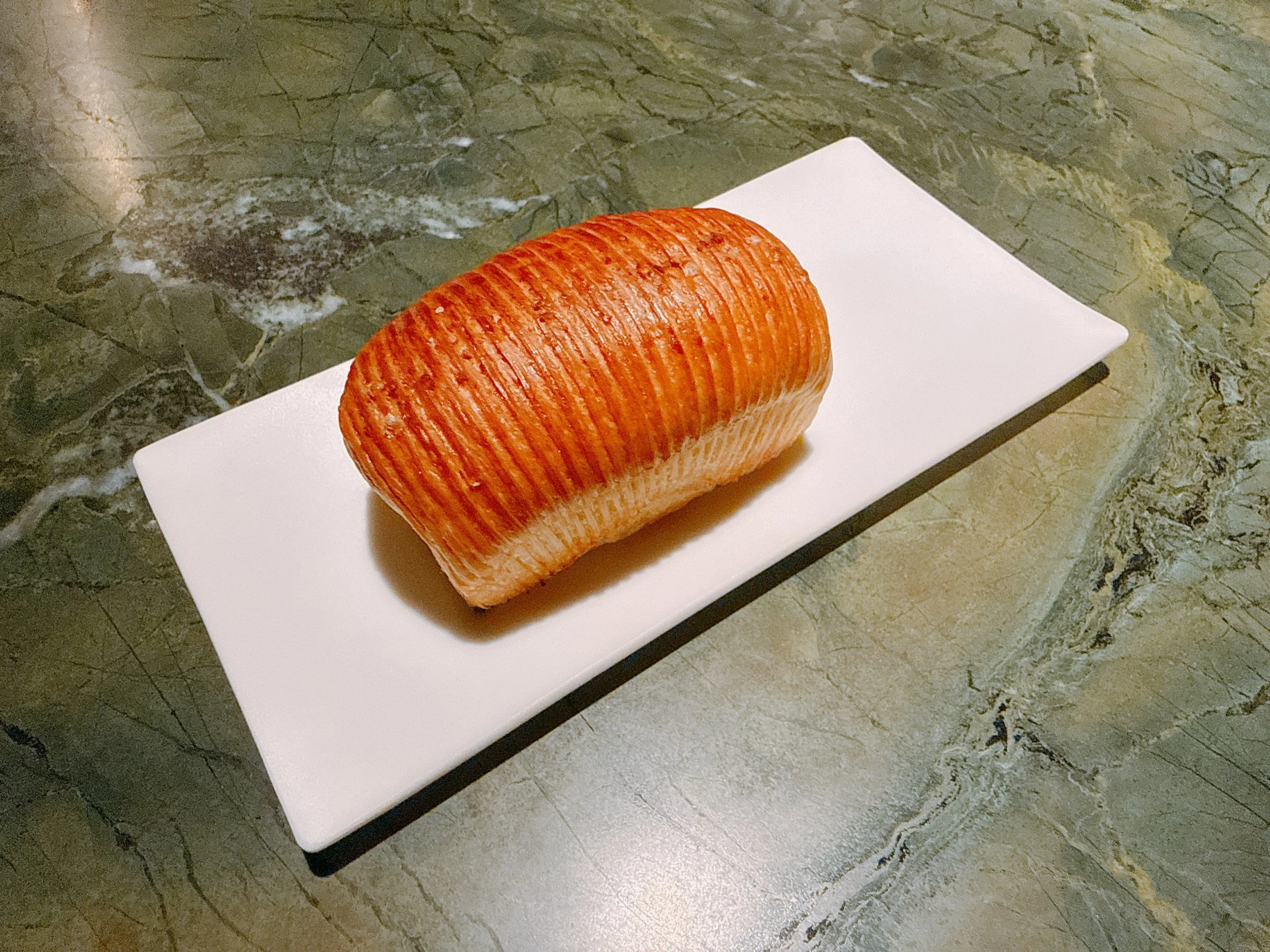
The first bread serving of the night was a “pastry bread” topped with salt flakes. It had a light crunch, and was quite airy inside - maybe not the best texture for sopping up the following sauces, but otherwise very nice 17.
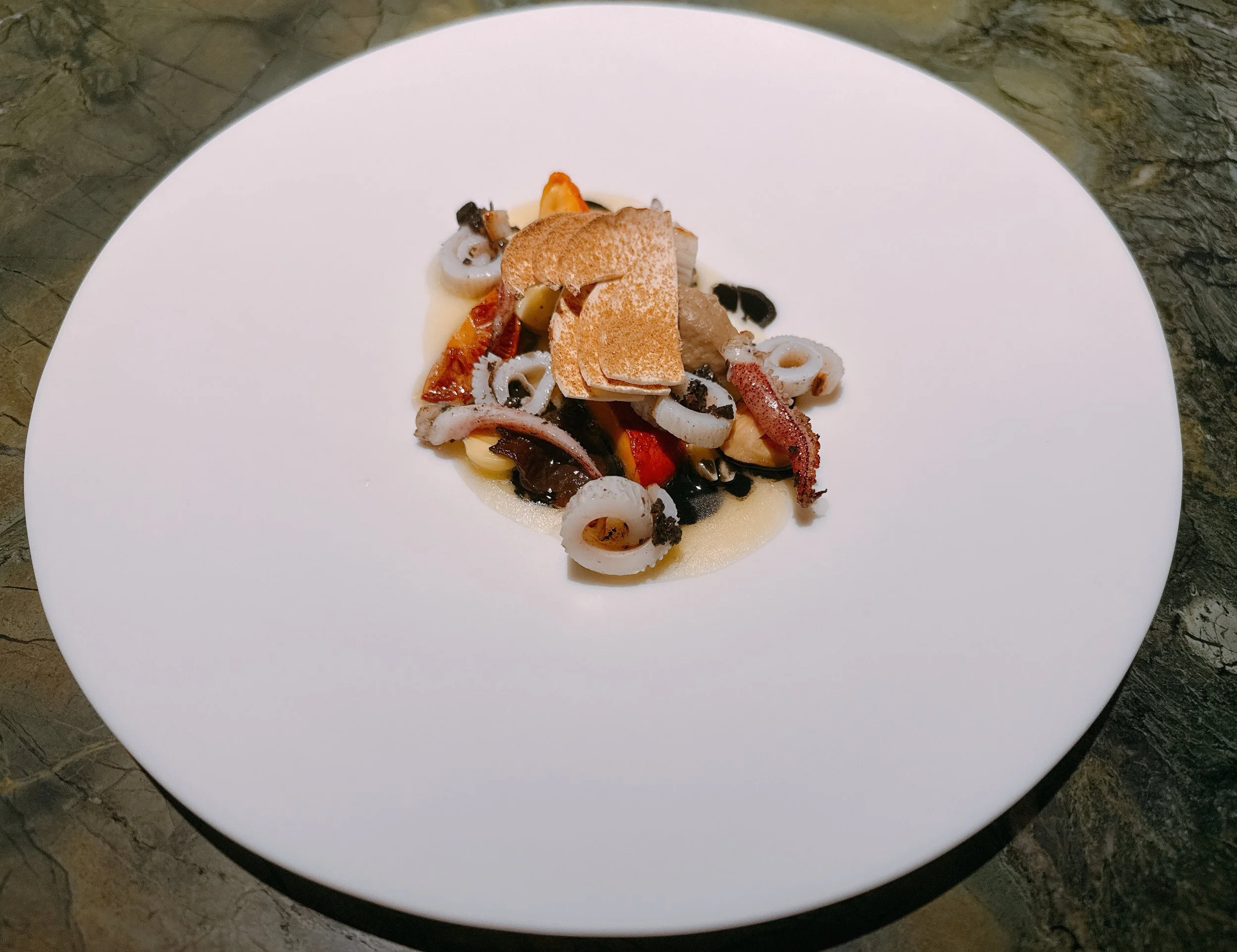
The following course was entitled “squid and mushrooms”. Squid, wild mushrooms, lotus seeds, and squid ink were served in a shell nage. The best part of this dish was the squid: tender and extremely flavorful (19 by itself). It went great with the lovely sauce and the crunchy and juicy lotus seeds. There were different kinds of mushrooms, prepared in several ways: raw, cooked, as a mousse. Unfortunately, they were much less flavorful than the rest of the dish 17.
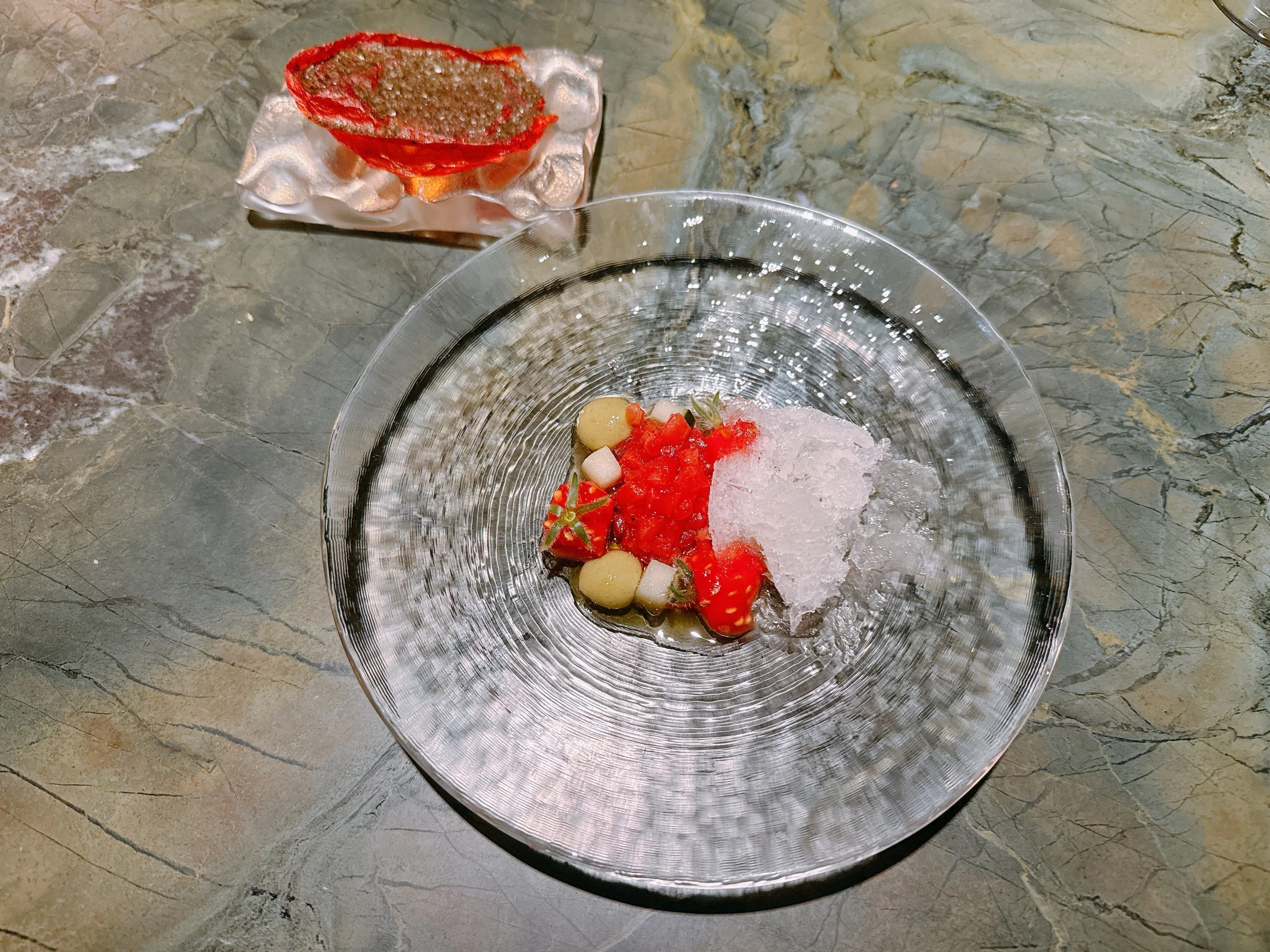
The next dish was highly focused on its main ingredient: tomatoes. They appeared in multiple forms: cut to look like strawberries, as a tartare, and as a dried tomato skin topped with herbs. Green dollops of seaweed tapenade and a frozen watermelon snow completed the dish. This was a course that felt fresh and was full of flavor. The tapenade was nicely salted and had a hint of seaweed taste. The dried tomato skin (which we were instructed to eat last) was unfortunately much lighter in flavor and therefore not as compelling 17.
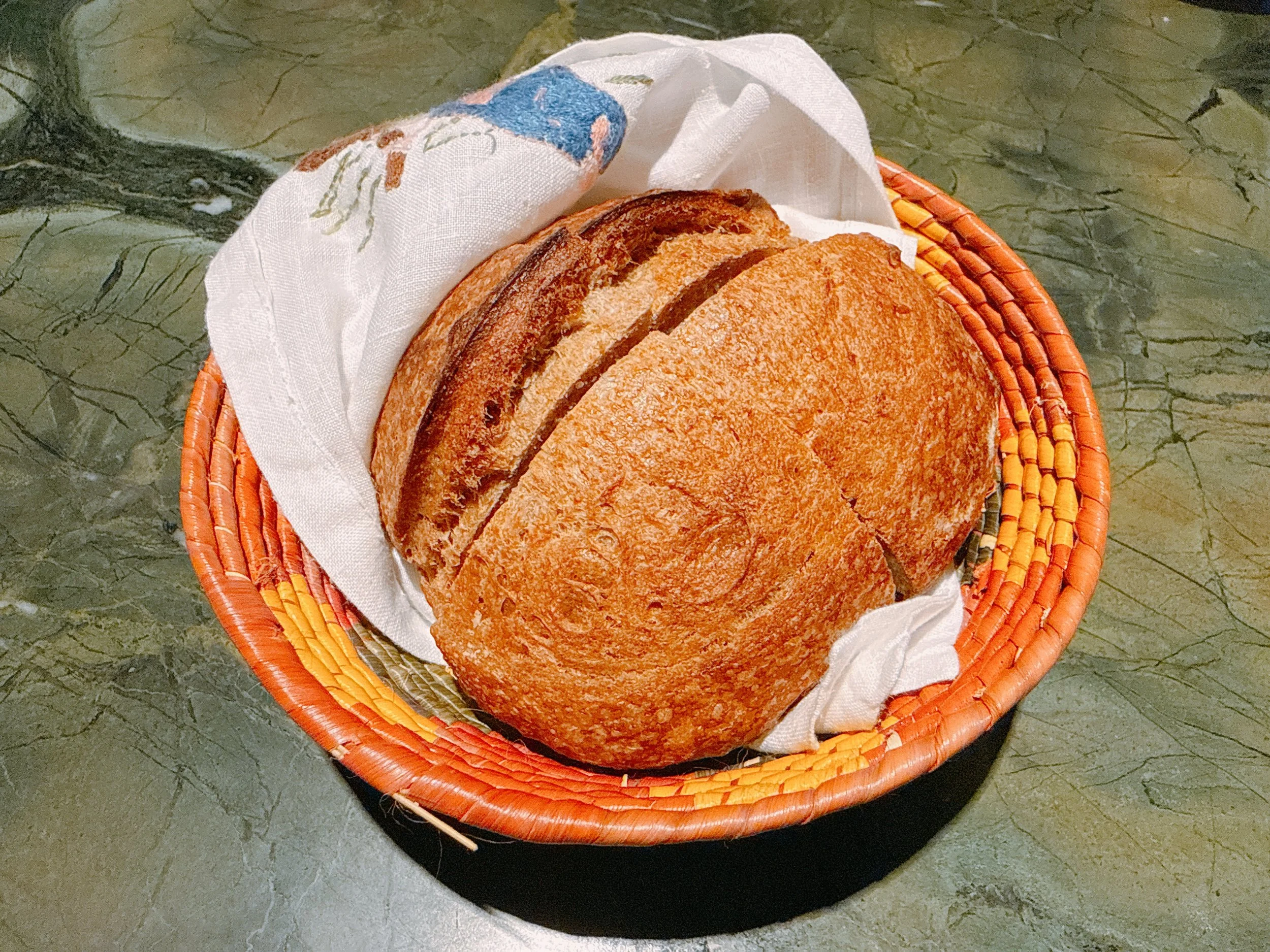
Our second (and final) bread serving was a sourdough bread made from local wheat that had been ground at the restaurant. It came with a Jersey cow butter from São Paulo state as well as young olive oil. The bread had a crunchy crust and was delicious together with the generously salted butter. The olive oil was quite intensely flavored 16.
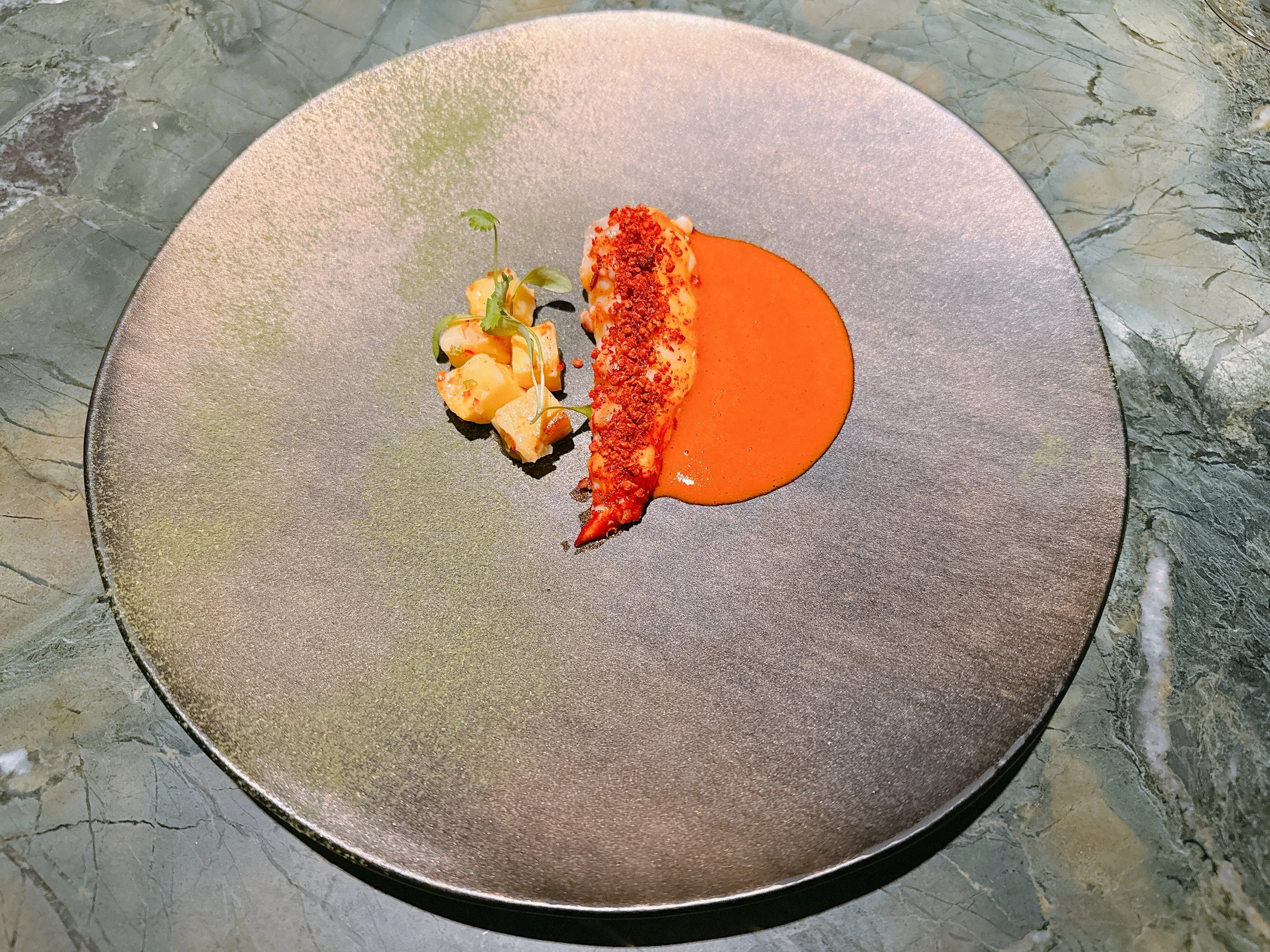
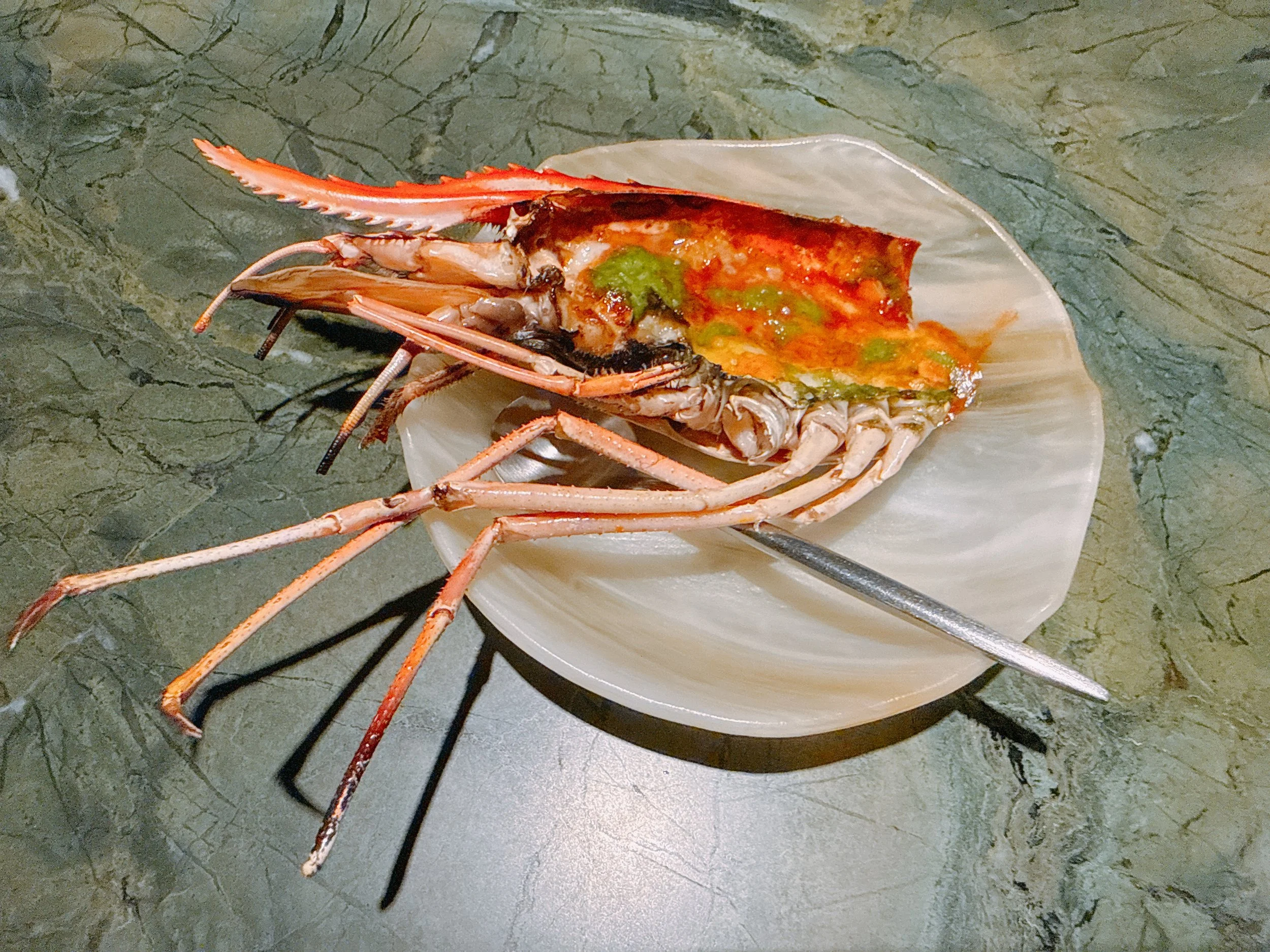
Fresh water shrimp (carabinero) were served with cubes of cashew fruits and a vinaigrette made from the head of the shrimp. On a separate plate came the shrimp's head, seasoned with a green adobo. The shrimp meat was juicy and burst with flavor, assisted by its crunchy, lightly spicy topping and the delicious sauce. Had this been the entire dish, it would have been essentially perfect (20). The cashew fruit was only lightly sweet and slightly acidic - it seemed more like a palate cleanser than an essential part of the dish. The shrimp’s head tasted mostly of the lightly herbal adobo sauce. Its brains contributed some texture (creaminess) and maybe a hint of bitterness (possibly imagined) 18.
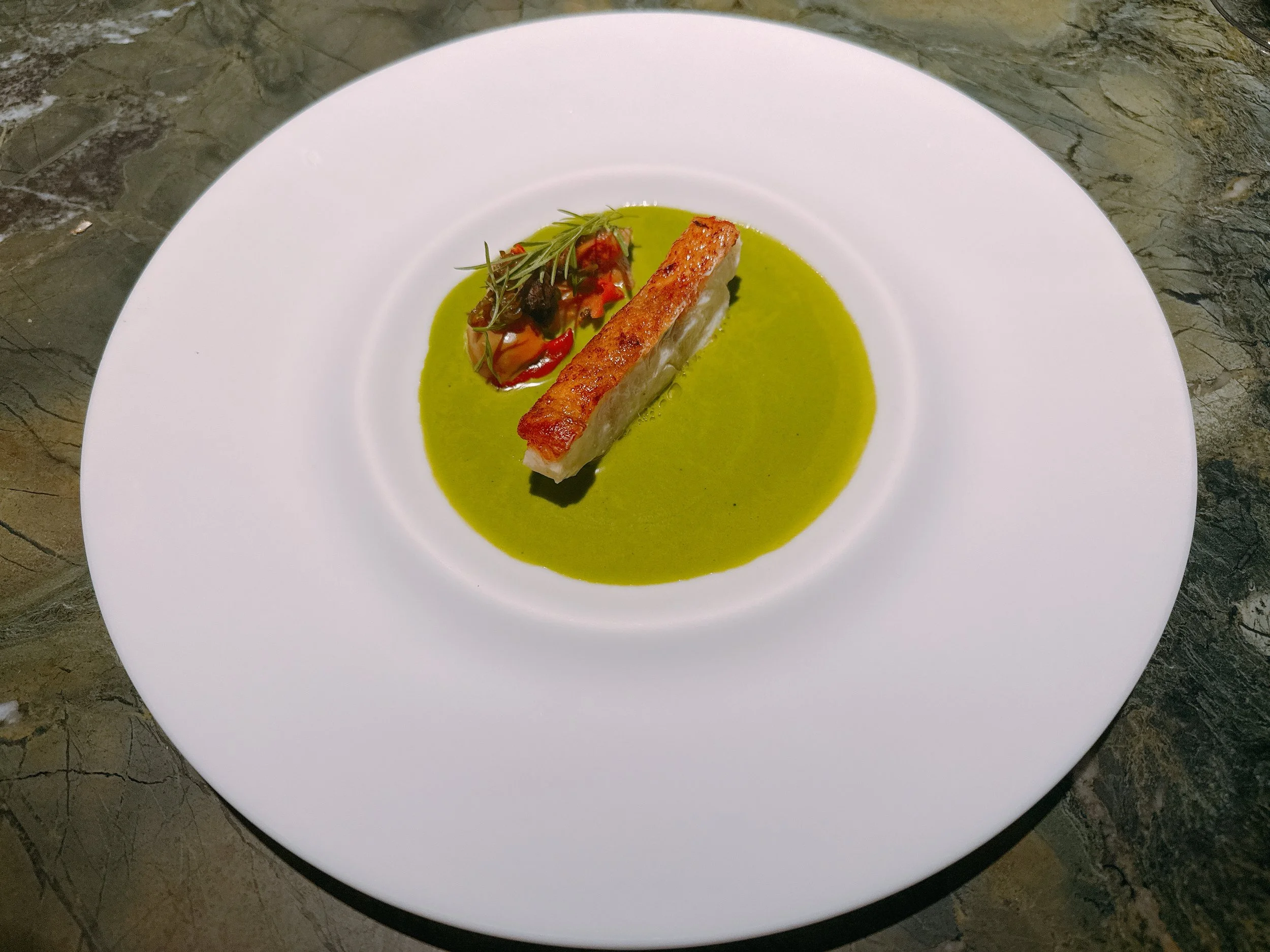
Then it was on to a fish course. Grilled grouper was served with clams, asparagus beans, and a pilpil sauce made with garlic and chives. The strongly herbal, lightly acidic sauce was delicious - so full of flavor that I would have gladly drunk this by the cup (19 or 20). The grouper itself did not taste of much by comparison, and its fried skin made it feel a bit oily (16). The clams were quite nice, though - they had more flavor, a herbal note, and some bite (17). Overall 17.
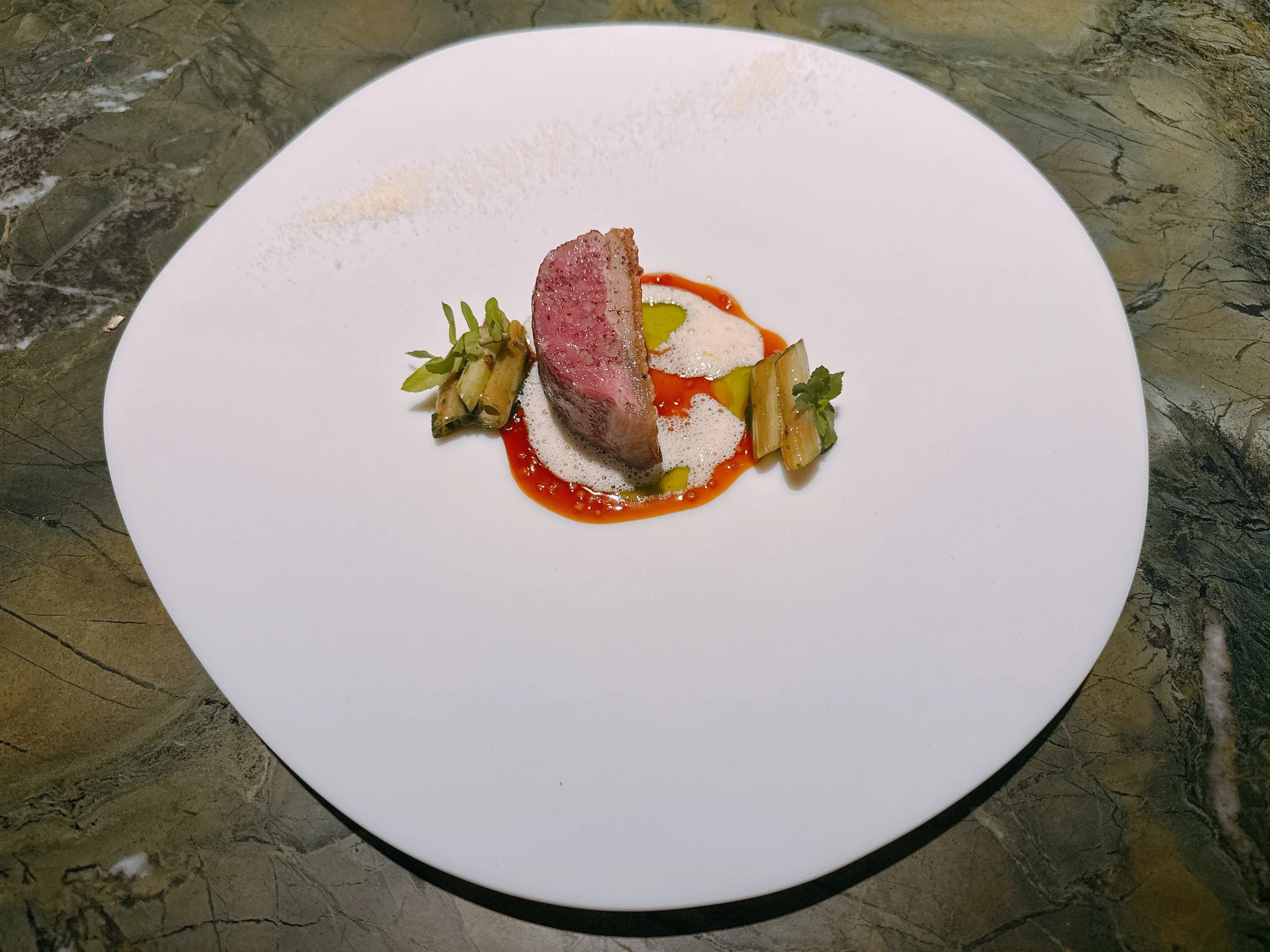
The final savory course featured a seven-day-aged lamb from near São Paulo. It was accompanied by watercress stems, a lamb jus, and a salty lassi sauce. Served on the side, and meant as a palate cleanser, was a cotton candy ball made from sheep's milk. The lamb was not quite as tender as I would have expected - not bad, but noticeably different from most lamb that I’ve had before. The fatty layer and the crunchy skin were reminiscent of the (beef) picanha cut that we tried the previous night, and the lightly acidic sauce was nicely seasoned. Clearly lots of work had gone into this dish, but the result didn't blow me away 16. The cotton candy was mainly sugary and sweet, and it would have been hard to guess that milk was a major ingredient 14.
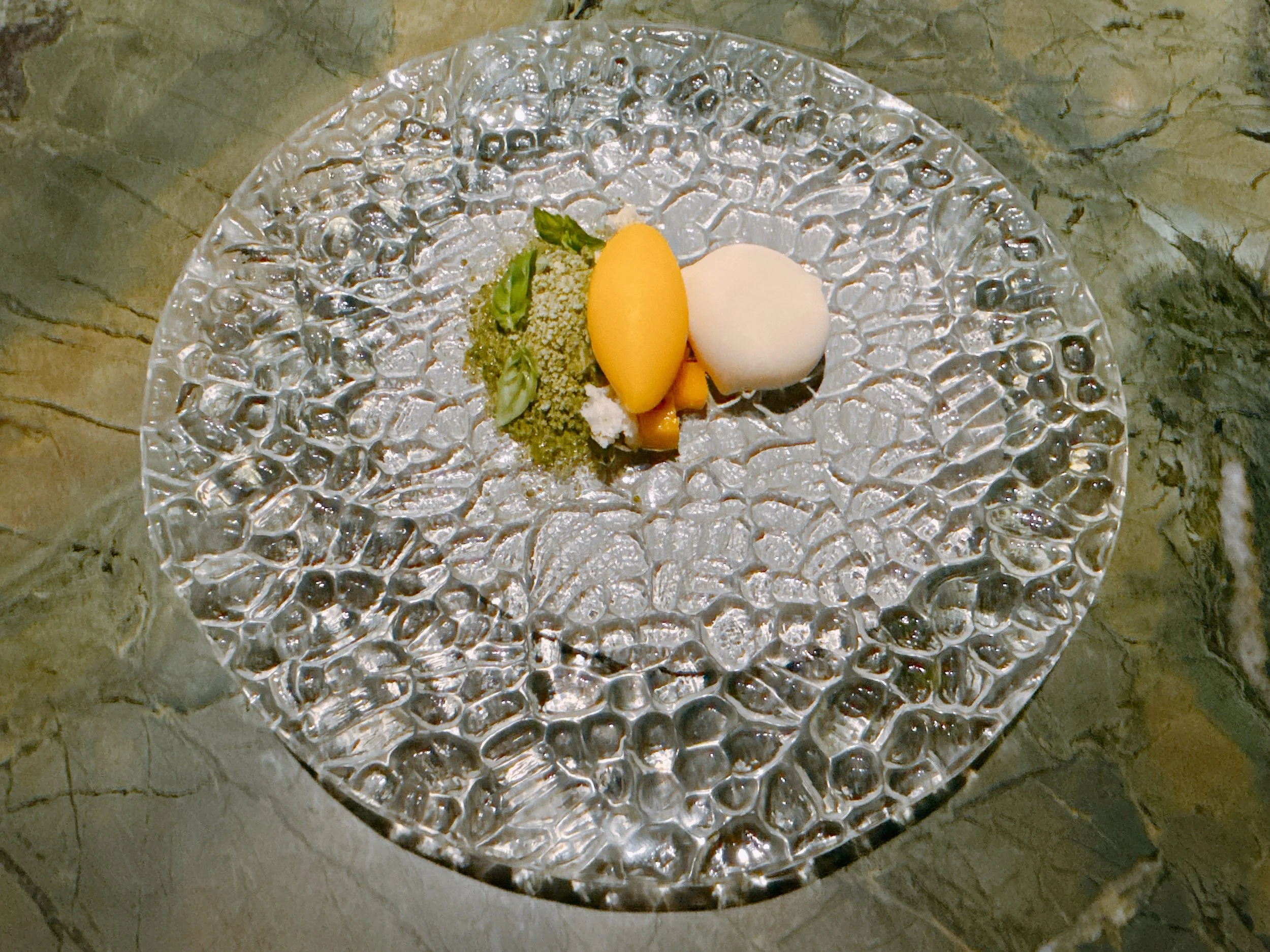
Dessert number one consisted of a jasmine rice mochi, accompanied by a passion fruit sorbet, little cubes of mango fruit, and a frozen “herb pesto”. The mochi was lovely: it had a creamy consistency, and went nicely with the fruit and herbal flavors. An excellent dessert 18.
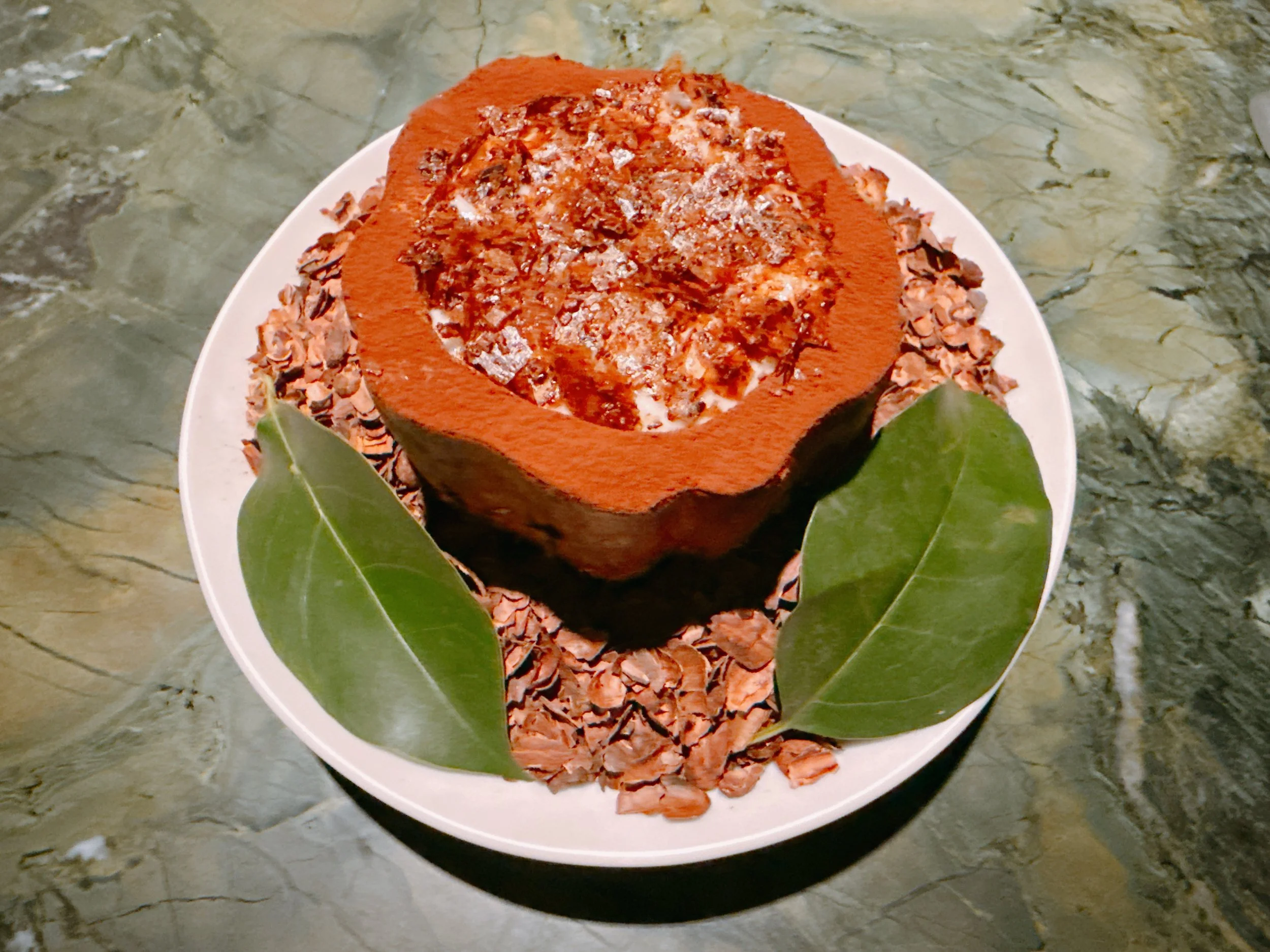
Our second dessert was paired with a Belgian beer (the only course not matched with wine). Served in a cocoa fruit shell, it was - naturally - a chocolate dessert, featuring cacao ice cream, a foam of cacao fruit pulp, cocoa nibs crystals, and a praline made of baru nuts and cardamom. Probably 80% of this dish was the foam - meaning that it was much lighter than the average chocolate dessert. The foam also added some fruitiness to the chocolaty ice cream and the crunchy, bitter nibs. It was quite impressive to have such a variety of textures and flavors using essentially just a single ingredient - cocoa beans 17.
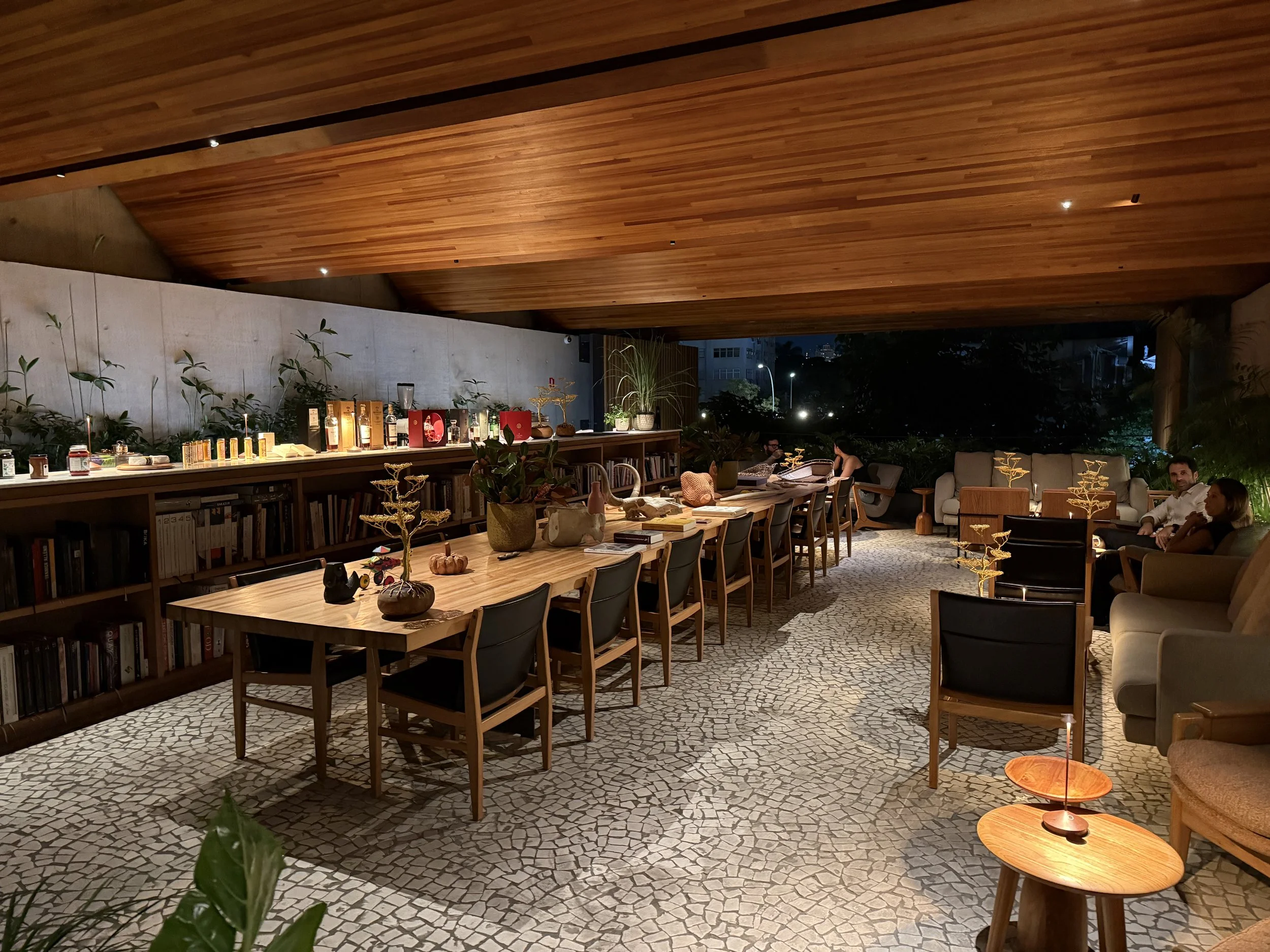
At this point, we were led upstairs to the top floor (elevator or stairs - your choice), to a lounge whose far end was open to the night sky. An impressive collection of cookbooks (including many from three-starred restaurants) was stacked on our side of a bar.
In this lounge, there was an option to order a cheese, honey and sweets course (116 BRL, $25), but we were pretty full by now and skipped it. I wish that there was an option of returning just for the cheese plate and drinks. Maybe one day…
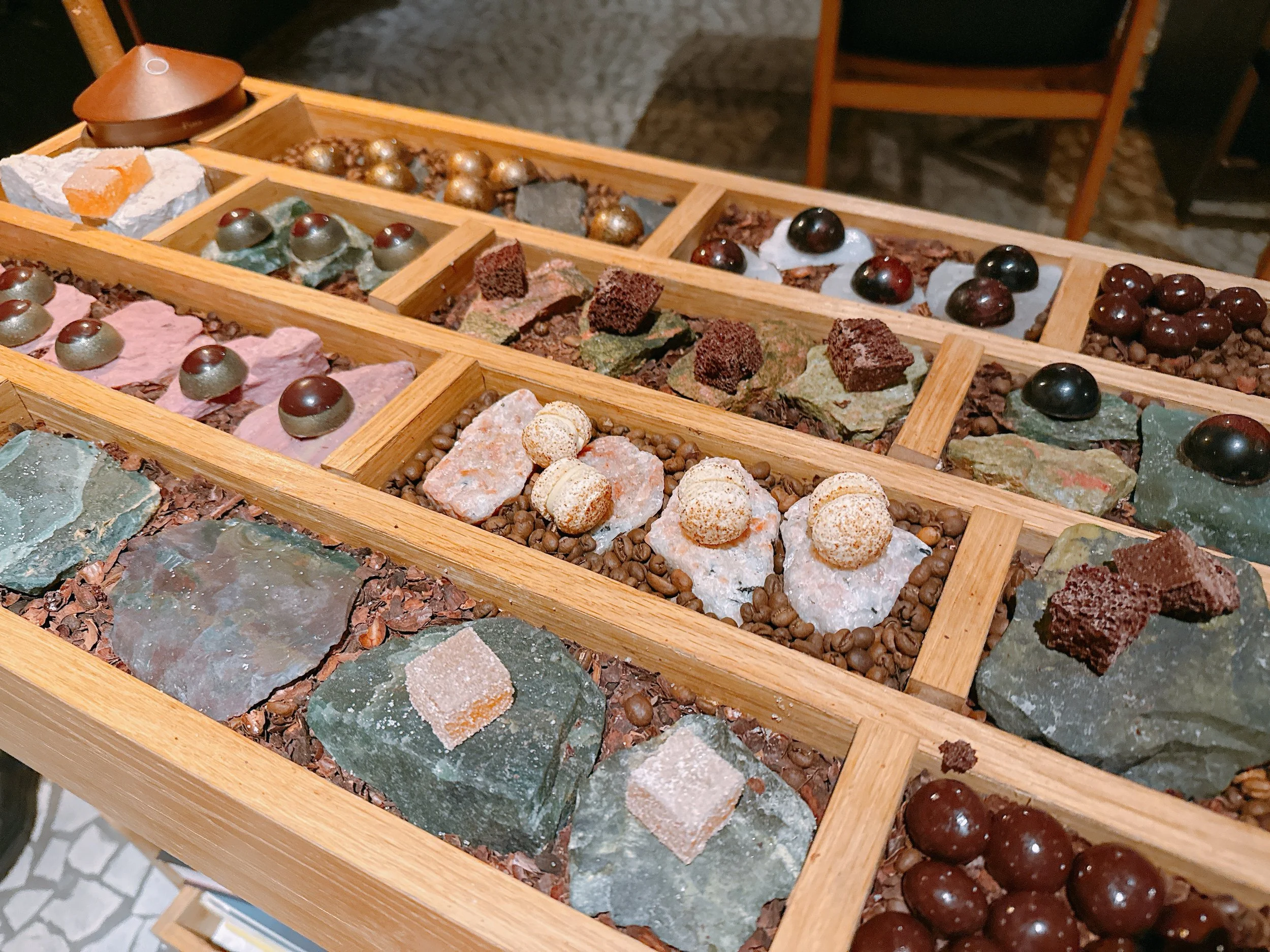
To end our dinner, we were offered a collection of mignardises. In the spirit of research, I tried all seven options (my dining companion more sensibly stuck to just one). A pate de fruit made of cacao beans was sugary, fruity, and lightly acidic 16. A cupuaçu macaroon was filled with a cacao miso. It had a light fruit taste and a creamy filling 15. Macadamia nut dragees were nicely crunchy, but not very different from what one might get at a grocery store 14. Aerated chocolate bites were fine, but not mind-blowing either 14. Then there were three chocolate pralines. A corn praline had a crunchy filling of crushed, roasted corn - an interesting combination 16. A dulce de leche praline was seasoned with black pepper and tonka beans. Unfortunately, I couldn't taste the latter, so this one essentially had “just” a milky filling 14. Finally, a jackfruit/coffee praline had a thicker filling than the other pralines and tasted fruity, but not much of coffee 15. (The espresso that I ordered more than satisfied any coffee-related desires, though. Yum.)
Overall: A well-executed dinner that highlighted seasonal ingredients from São Paulo state and the rest of Brazil. All dishes were enjoyable, consistently at (at least) a two-star level. But there were also some courses (or at least major components of them) that were truly phenomenal, landing in a high three-star territory. If the kitchen delivered entirely at that level, a trip to Brazil could easily be justified just by visiting Tuju. Even now, it was the strongest restaurant that we visited in São Paulo 17.