Evvai - São Paulo
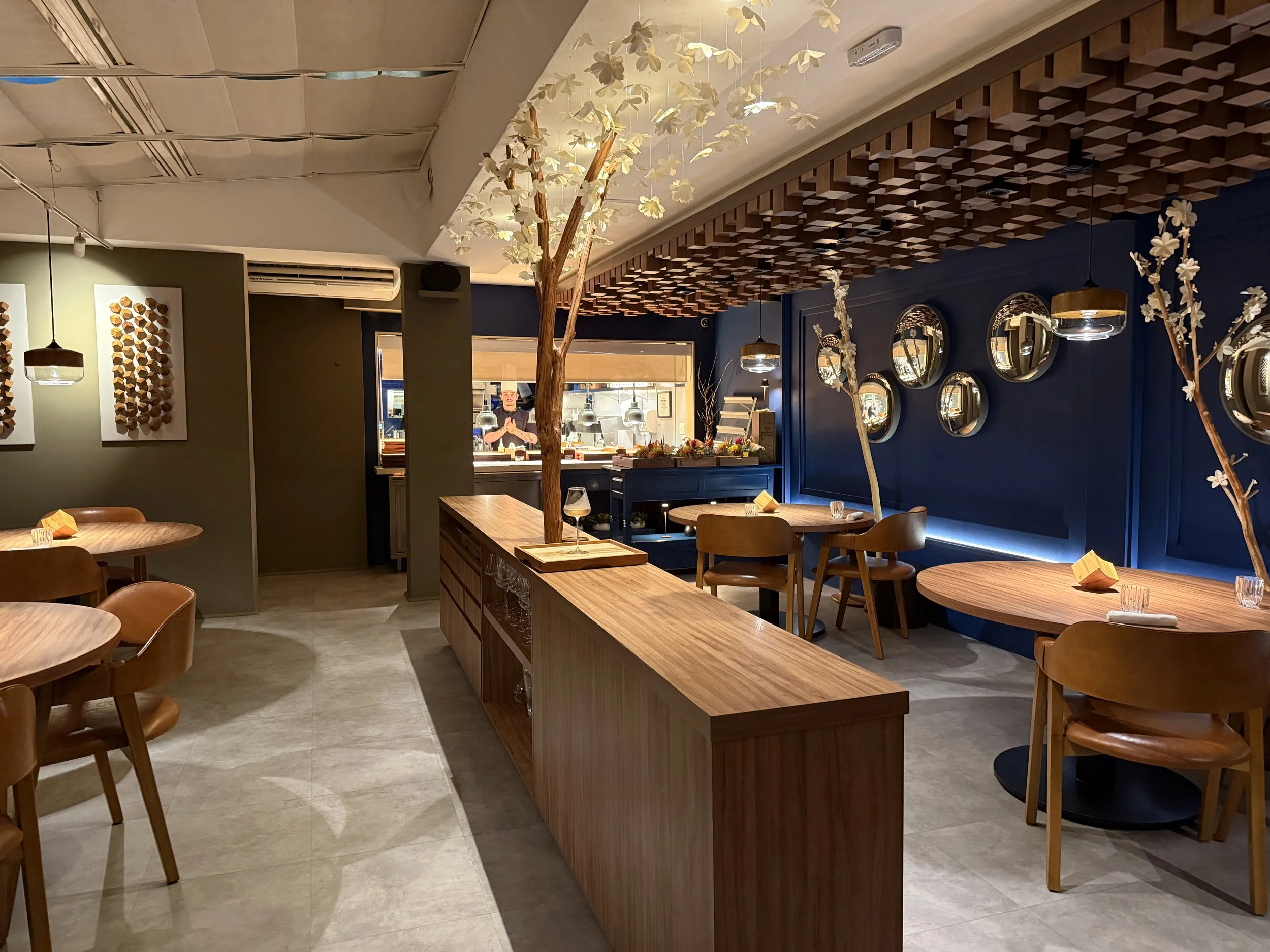
Dining room with artistic touches and a view of the kitchen
Rating: 17/20
Where: São Paulo, Brazil
When: Dinner for 2 on 6 May 2026
Cost per Person: Tasting menu 1650 BRL ($335), Wine Pairing 1159-2259 BRL ($235-$455)
Accolades: 3 Michelin Stars, #95 on World's 50 Best Restaurants list (2025)
Why: Modern Brazilian cuisine with Italian influences
“Evvai”, a restaurant in São Paulo, serves an interesting cuisine - a blend of Italian and Brazilian cooking, inspired by Brazil's many immigrants from the European country. (“Evvai” means “yay!” in Italian.) Chef Luiz Filipe Souza spent some time working at three-starred Reale in Italy before returning to Brazil and opening Evvai in 2017. A Michelin star soon followed in 2019, then two stars in 2024, and finally the ultimate third star in 2026 - making it one of only two restaurants in the country with that honor.
On a temperate night in late fall, we were able to visit Evvai, which is located in an upscale neighborhood of São Paulo. The next cross-street south of the restaurant was lined with luxury furniture stores, maybe an indication of the clientele that the restaurant itself was seeking to attract. We arrived a bit too early for our 7pm reservation, but were promptly invited into a lounge area until our table was ready. Champagne was offered while we waited (either Moët & Chandon Brut, Rose, its 2016 vintage, or - if that seemed too pedestrian - Dom Pérignon), accompanied by a complimentary caviar bump.
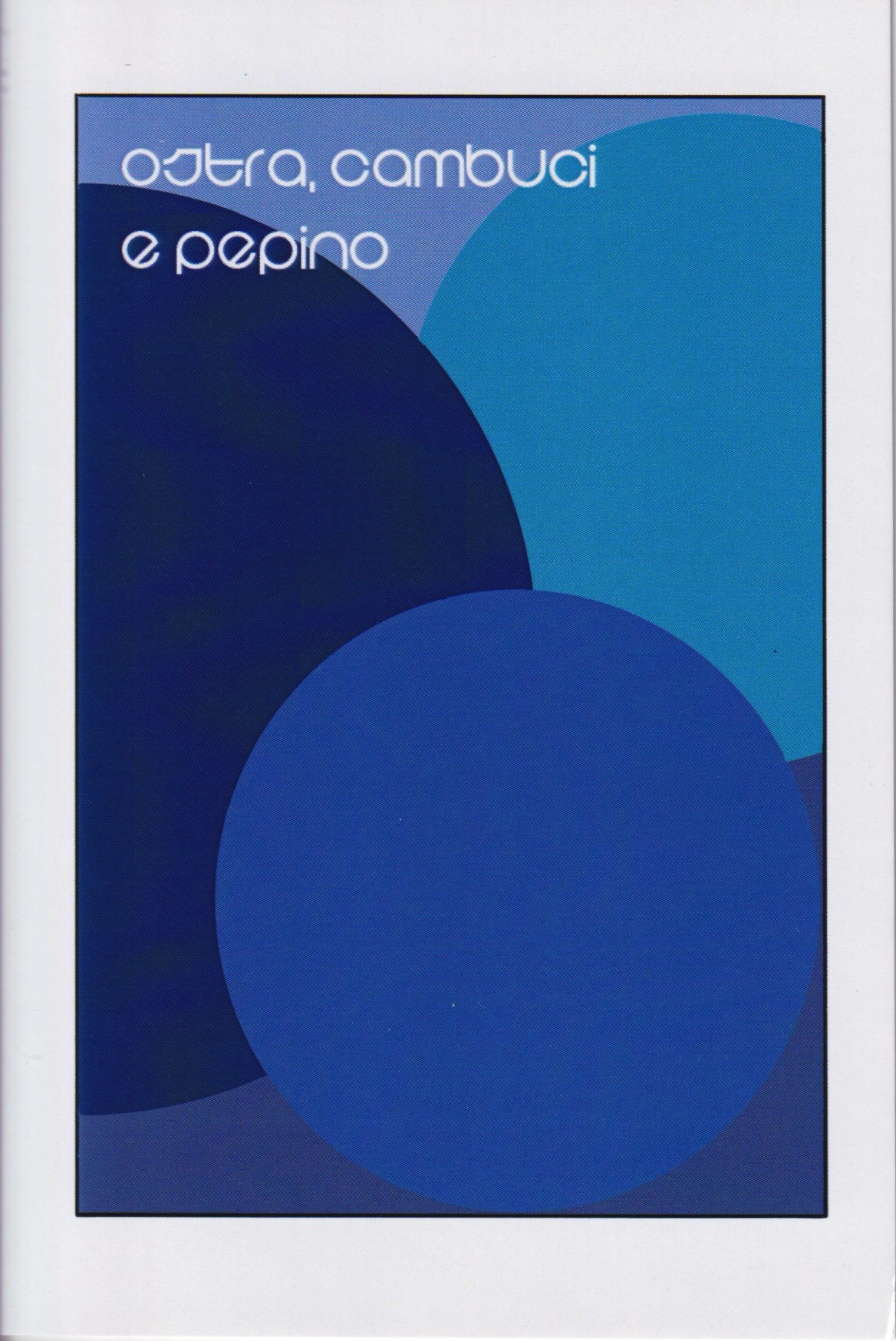
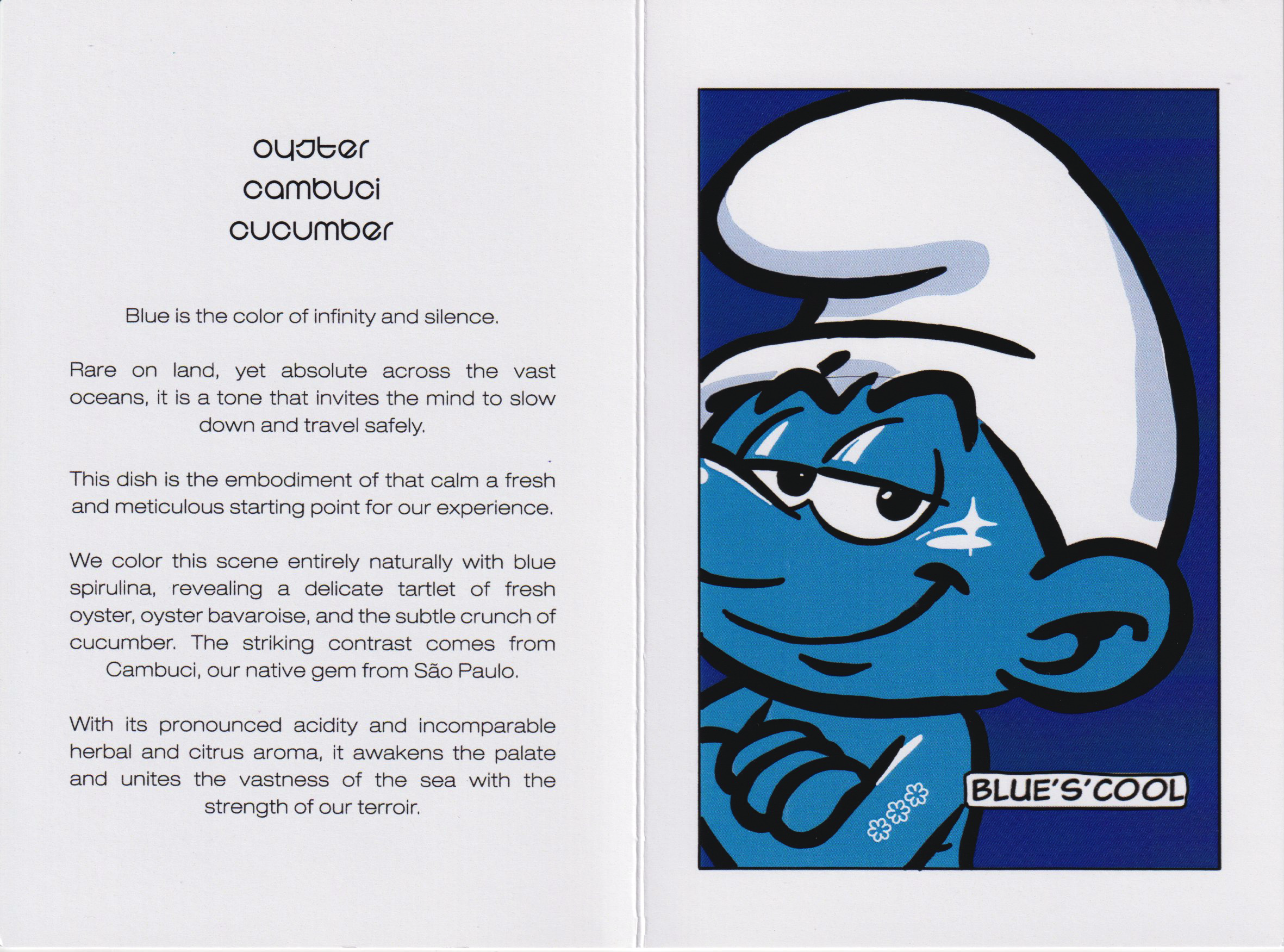
The dining room had an open kitchen at the back, and the seven tables were arranged so that most guests would have a view of the culinary action. The interior design used lots of wood - no table cloths here -, and the walls and ceilings featured their fair share of modern art. We sat underneath a display of four plates hung from strings, one of them mysteriously turned 90 degrees to jut out from the wall. Food for thought, possibly. Each course of the tasting menu also came with a little card that described the inspirations behind the dish, and abstract and pop art illustrations to go along with it (see below). But lest that makes Evvai sounds very artsy - no worries. One could enjoy the food without any reference to the accompanying art, and the service was very easy-going and friendly.
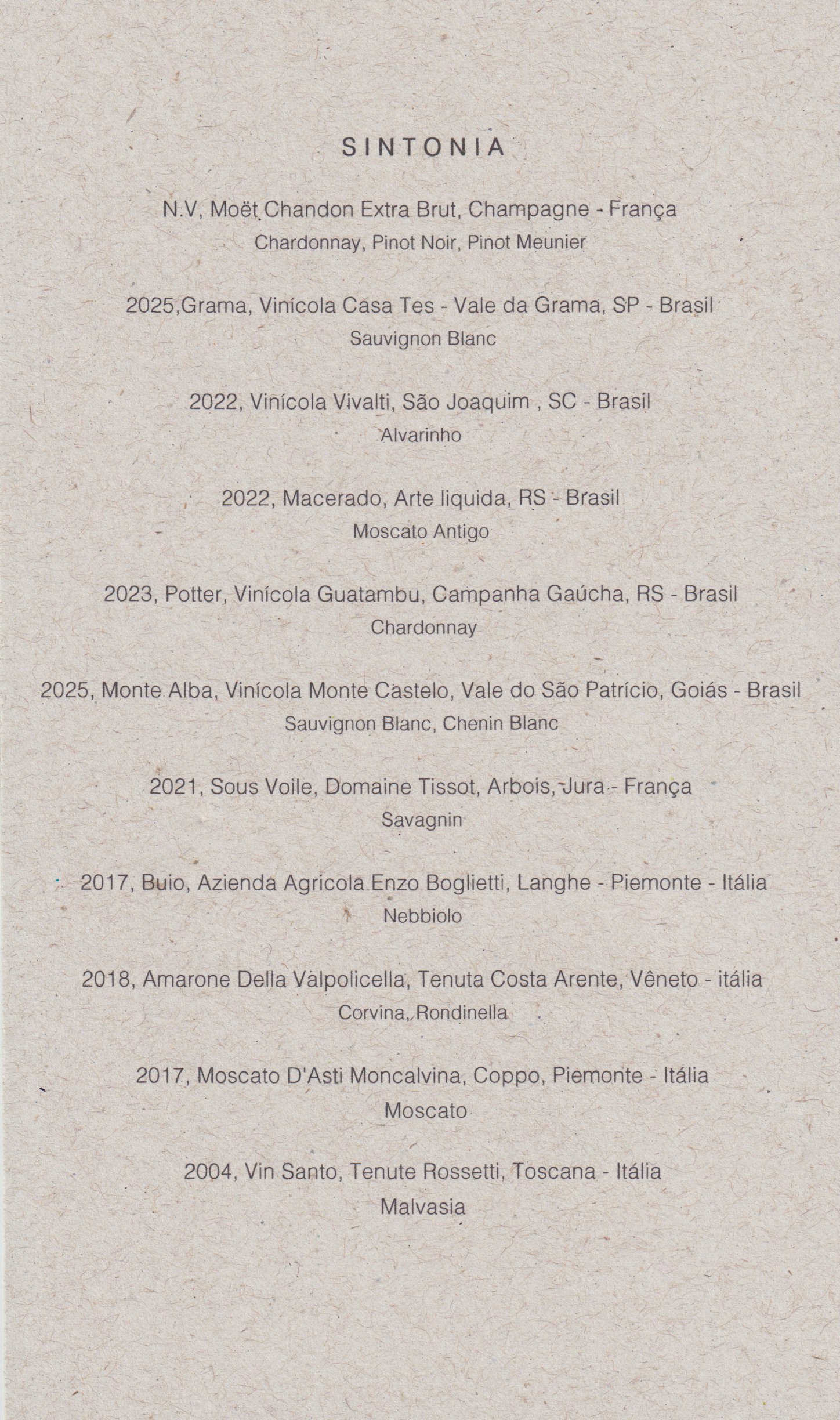
In addition to the fixed tasting menu, there were three upgrades available during our visit: a cheese course for 89 BRL (about $18), additional caviar on one dish for 390 BRL ($80), and the replacement of the Brazilian beef in the final savory course with Japanese A5 wagyu for 395 BRL ($80). Wine pairings ranged from 1159 BRL ($235) for a Brazilian/European pairing, to 2259 BRL ($455) for a higher-end European pairing, to finally “upon request” for a best-of-the-cellar pairing. A non-alcoholic pairing was available for 561 BRL ($115). We went for the basic 1159 BRL pairing, and were quite happy with it. Essentially all the white wines were from Brazil, and while they fell into the ok-not-great category for me, they definitely matched the food well. The remaining wines from (mostly) Italy were equally food-friendly, and tended to be a notch better, taken by themselves. My favorite wine of the night was a 2018 Amarone della Valpolicella served with the beef course. Not being from Brazil myself, I found the opportunity to sample several Brazilian wines to be a worthwhile reason to order the pairing - no regrets here.
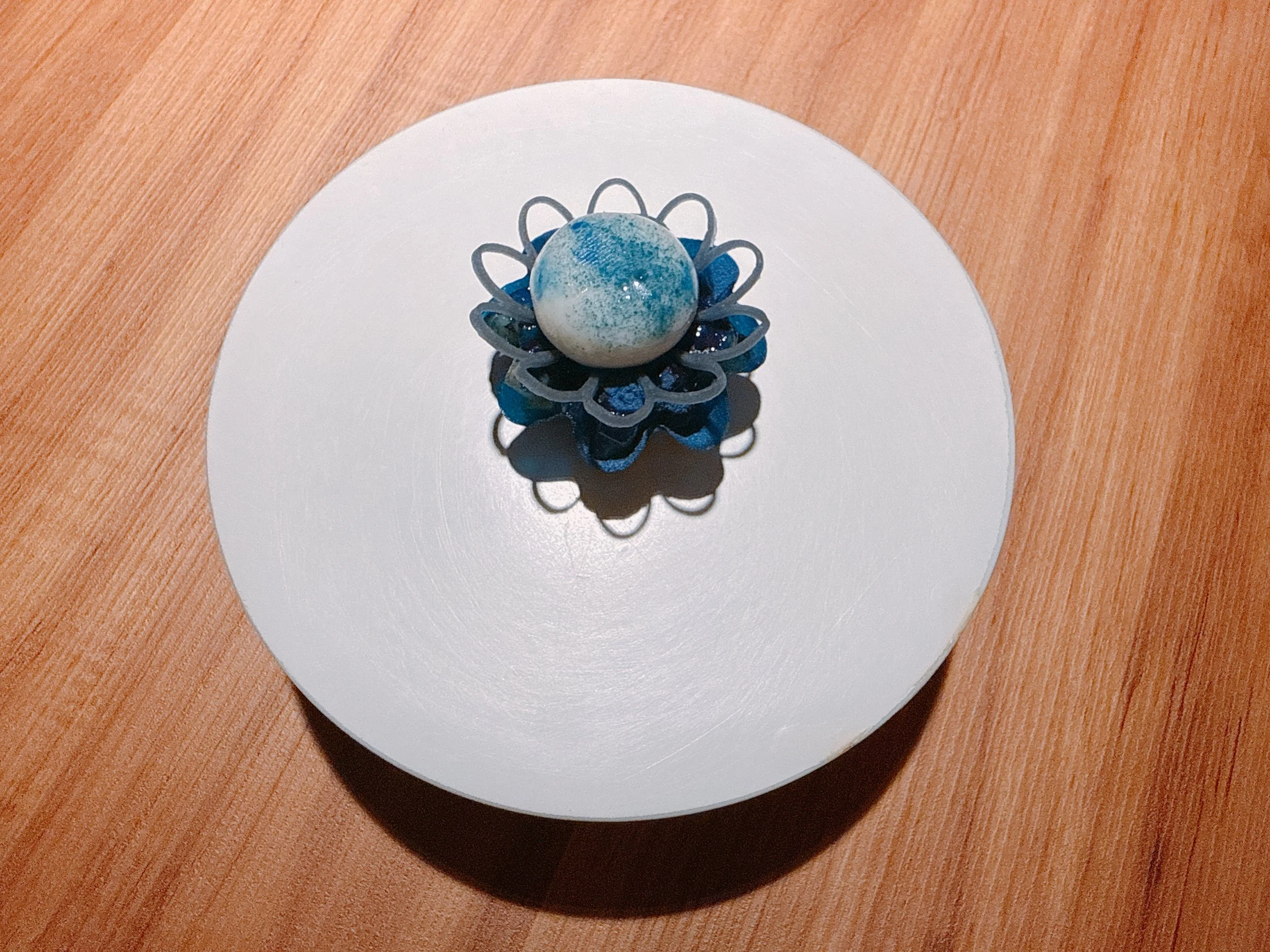
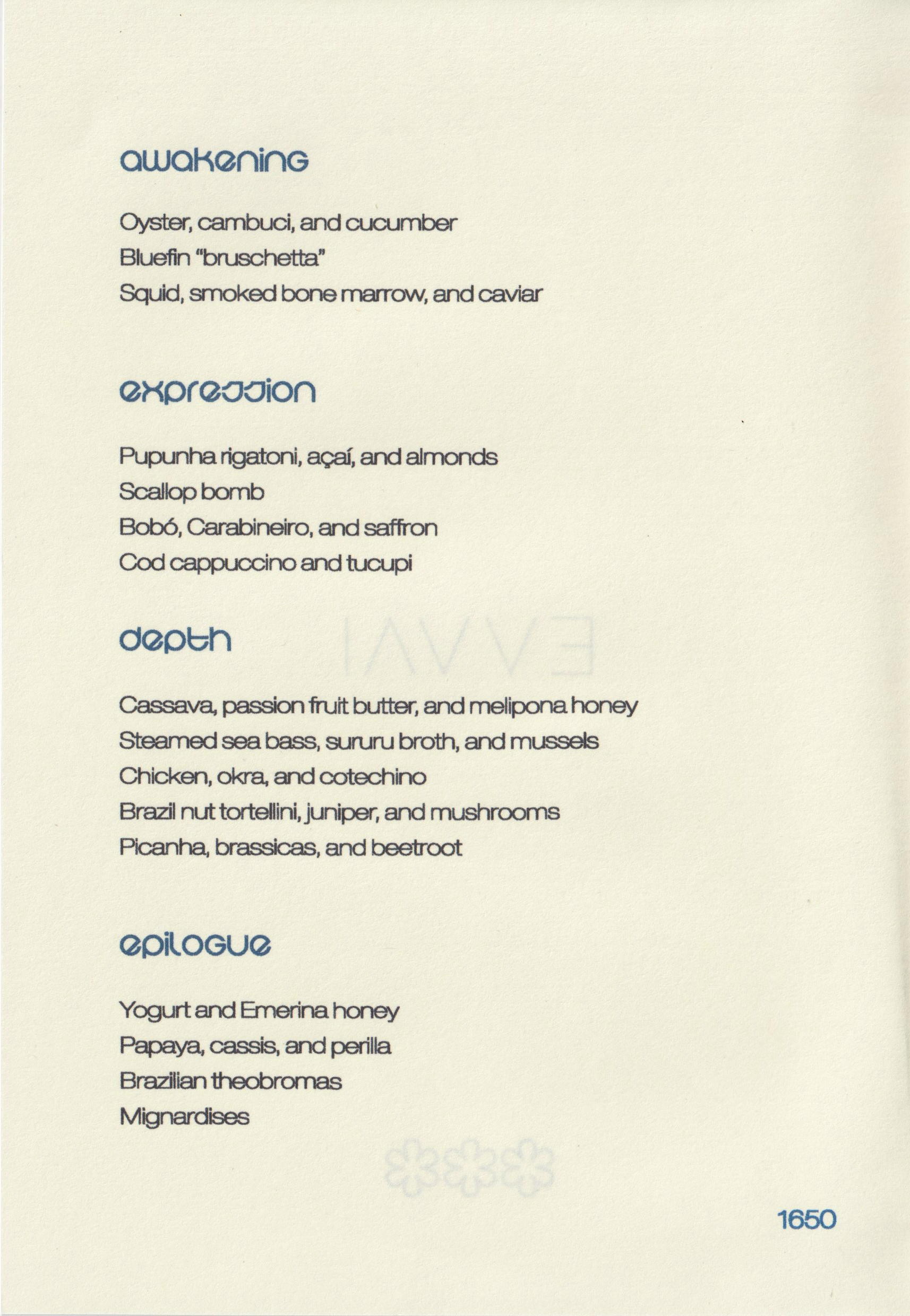
Our dinner started with three bite-sized courses, all accompanied by the first glass of the wine pairing - a champagne. First up was a small cracker tart filled with oysters, local cambuci fruit, and cucumbers. Spirulina had been used to color the dish blue - apparently the chef's favorite color as evidenced by the blue-painted walls of the restaurant. This bite was crunchy, fruity and a bit sweet, with some seafood taste, but without a strong oyster flavor. A nice beginning 16.
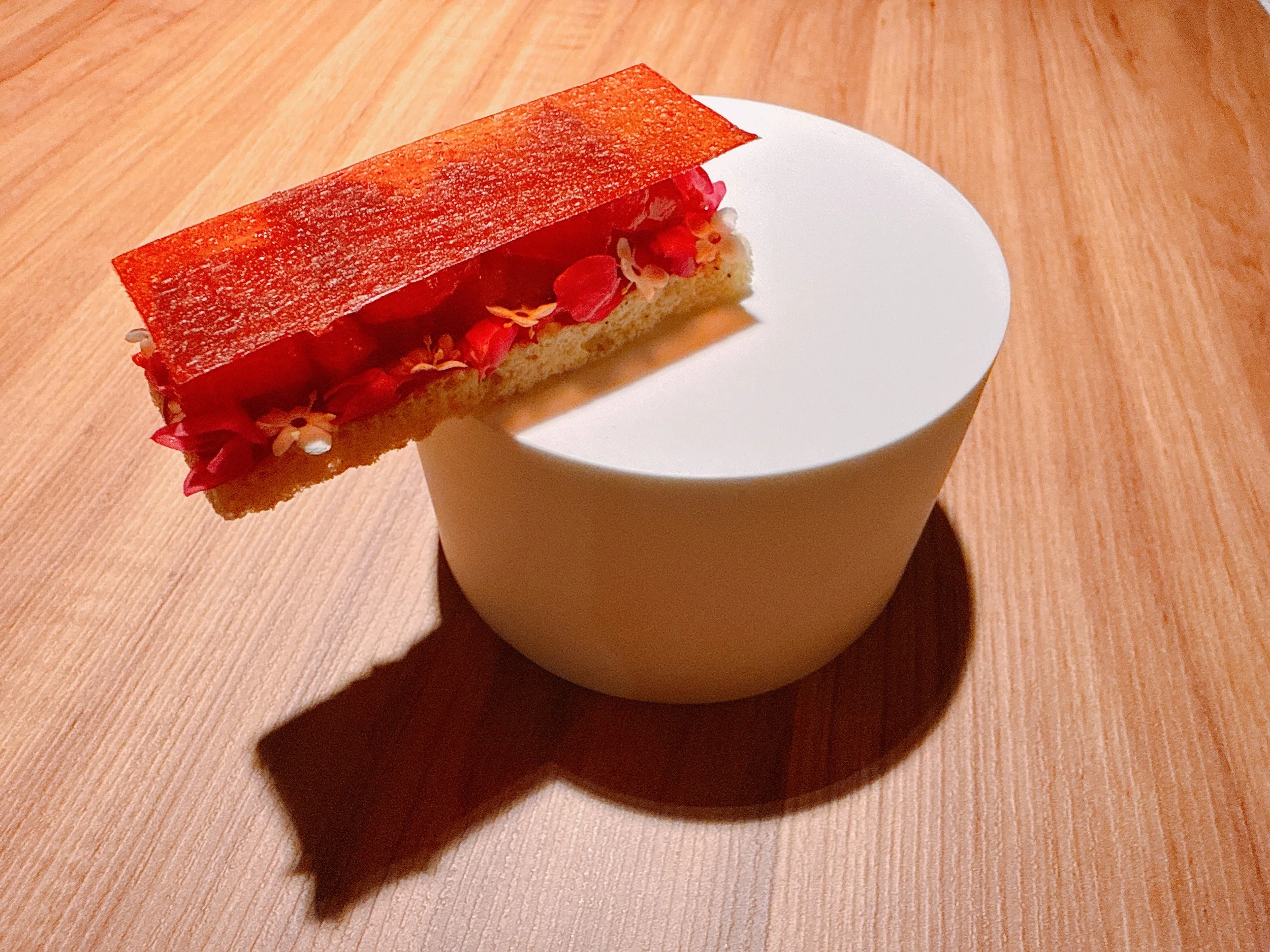
The next bite (well, two-biter) was inspired by an Italian bruschetta. Here, a meringue made with algae was topped with blue fin tuna and a fermented tomato crisp. This dish was even better than the first: crunchy and creamy, with a light fish taste, and some acidity added by the tomato 17.
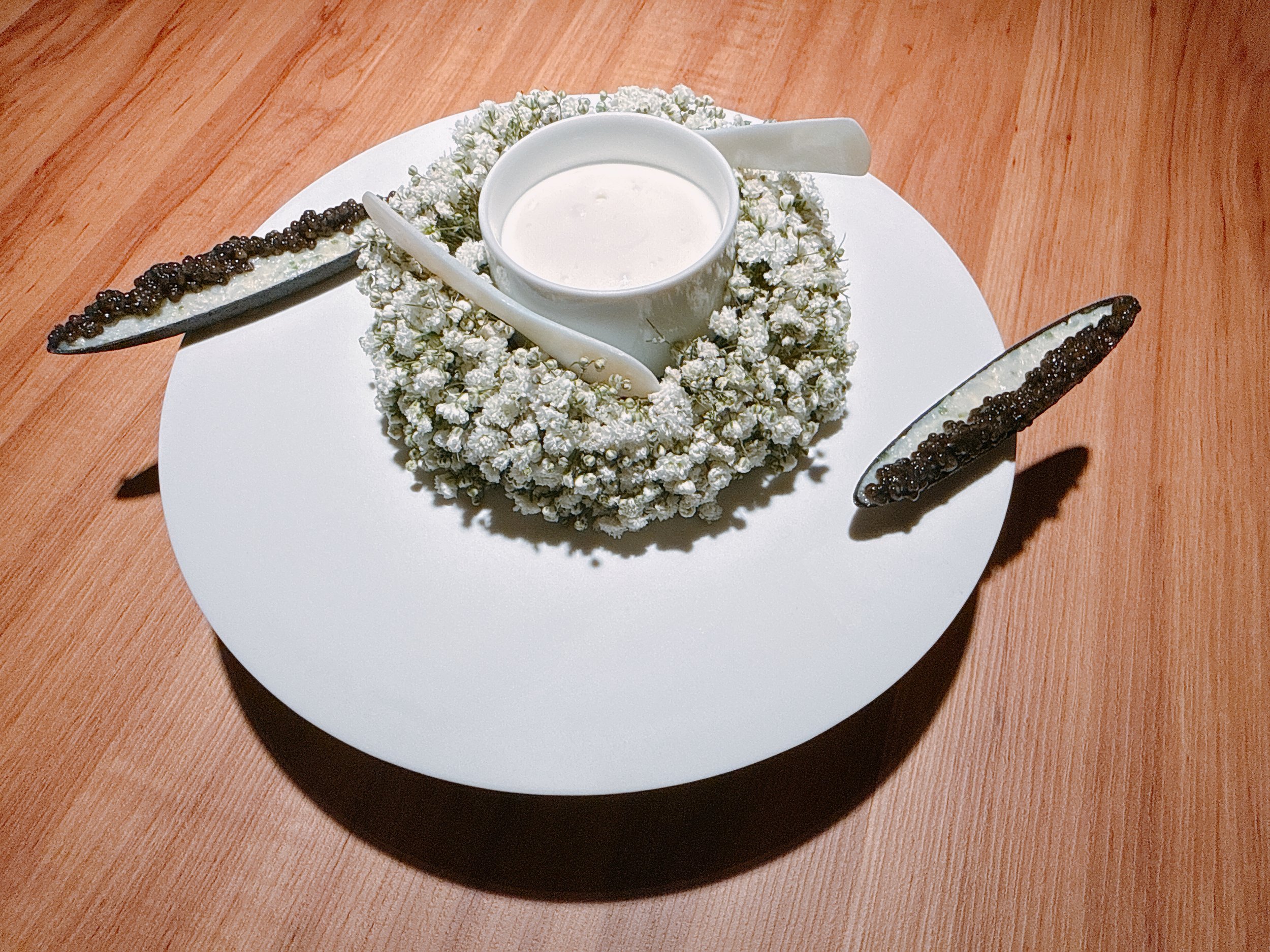
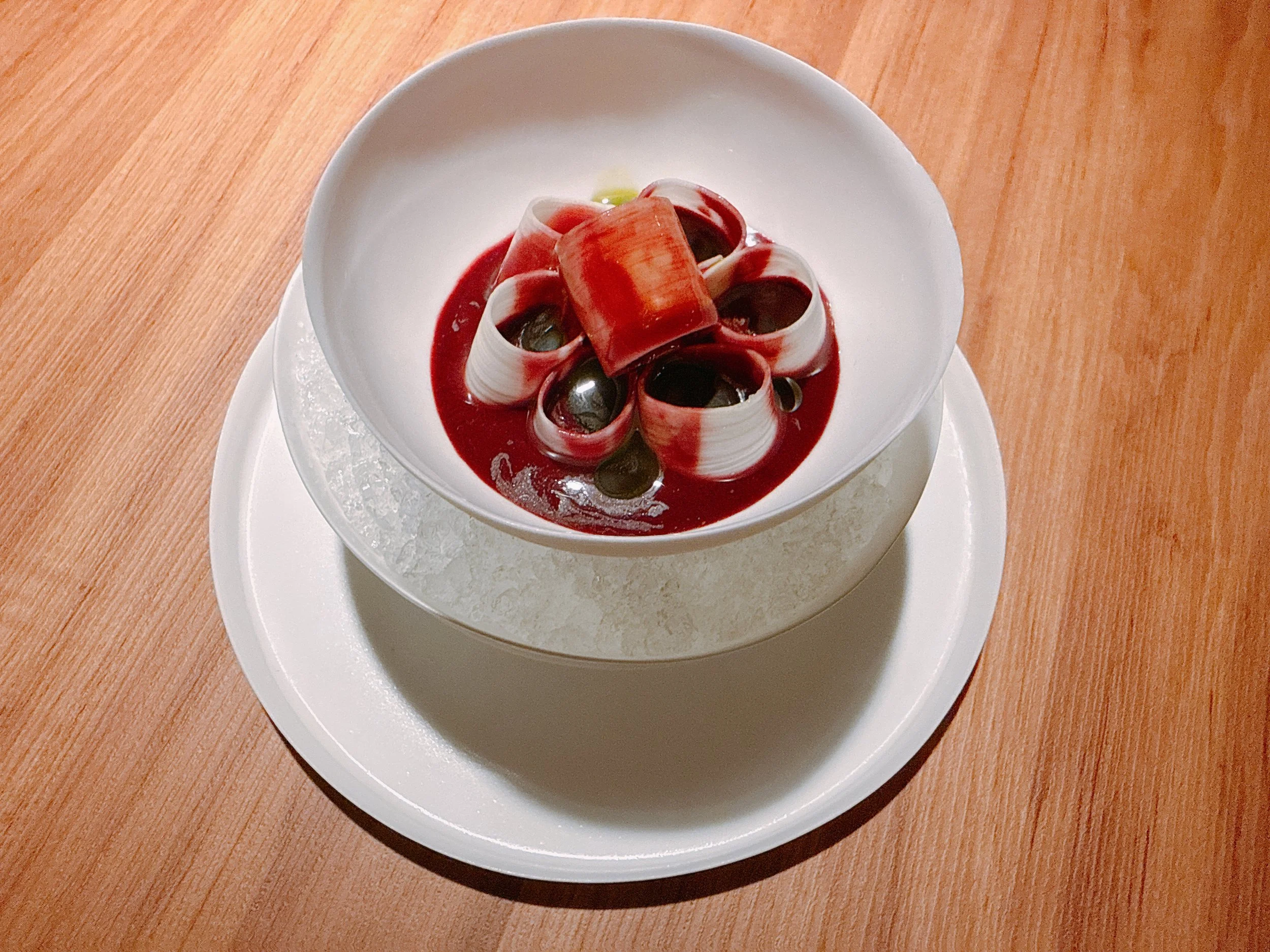
The last appetizer was a “canoe” - a squid-ink-colored cracker - filled with fermented grouper, bone marrow, and caviar. On the side was a sour cream dip flavored with lemon. I liked the filling of the canoe a lot: salty, fishy, and nicely complemented by the acidity of the sour cream. The crunchy shell weakened the fishy taste a bit. A dish that might have looked simple, but was executed in a very well balanced way 16.
Actually, I lied when I said that “art” was not referenced in the menu - the following course was an exception. It started out as a “white canvas” (rigatoni made from heart of palm, paired with almond butter), onto which paint was added table-side (a purple acai extract and a green fig leaf oil). What sounded like a pasta course (“rigatoni”) was actually closer to a salad. The heart of palm rings were fresh and crunchy, and the almond butter added some heft, creaminess, and a nutty flavor. But that heaviness was easily balanced by the acidic sauce. Nice to see how each ingredient played a distinctive role in the dish (ignoring the fig leaf oil, which was harder to pin down). This was a tasty preparation, but also different and unique, making it hard to think of similar dishes to compare it to. In a sense, that's even more impressive 17.
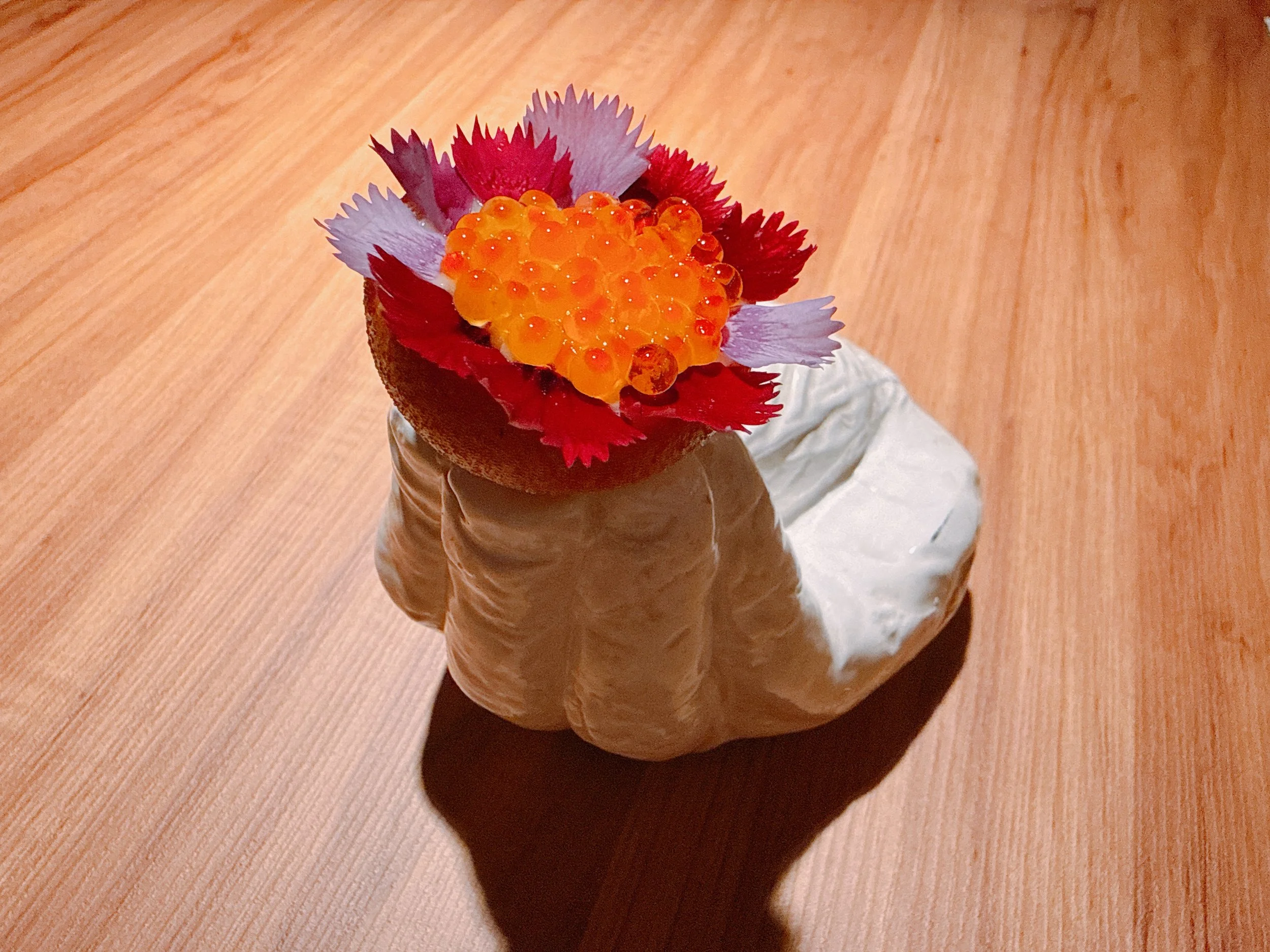
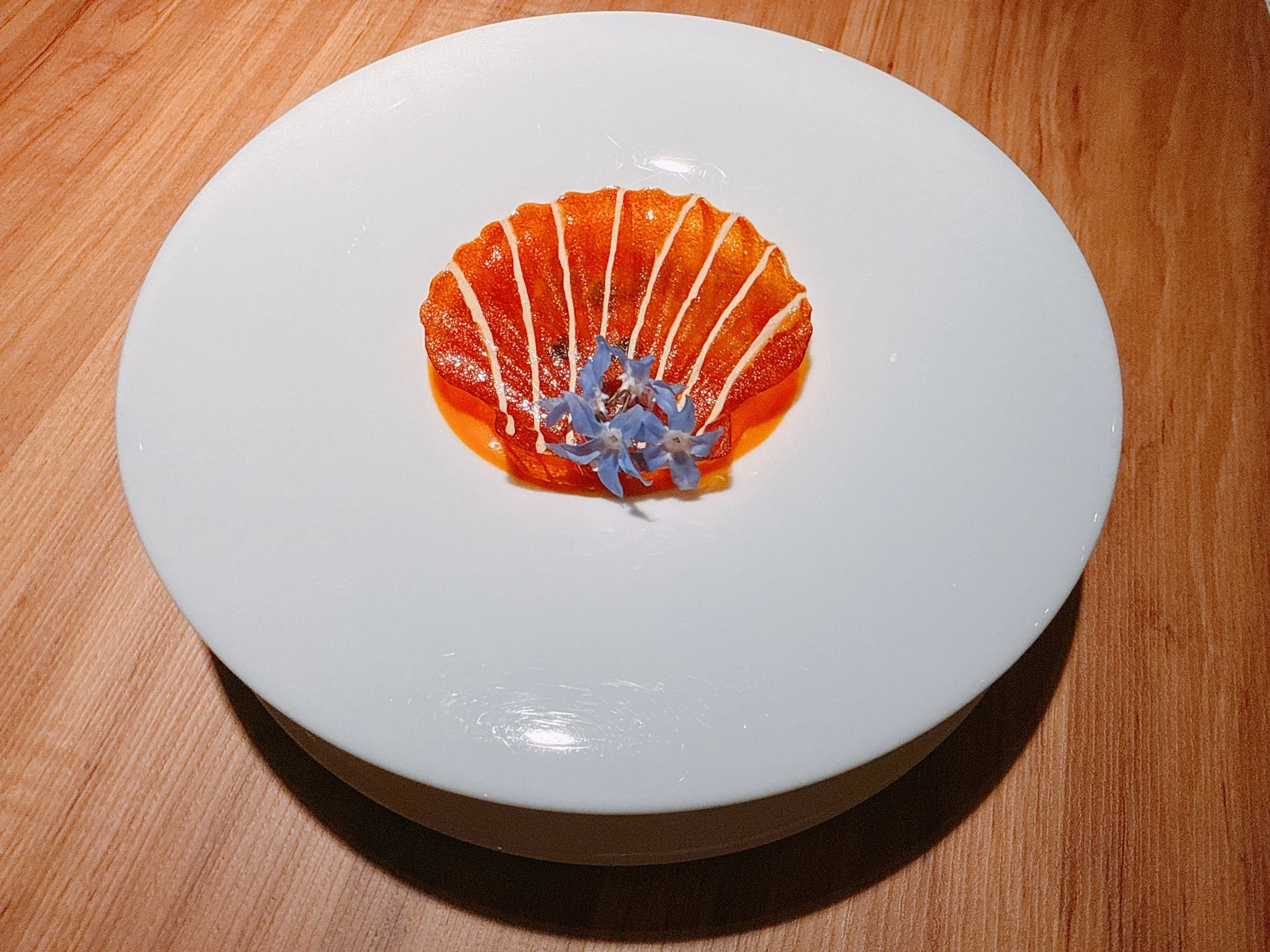
The next course presented scallops in two different ways. A little cracker cup was filled with a scallop paste, lardo and trout eggs. This small dish was done a bit of a disservice by being introduced as a “scallop bomb”. Well, I suppose it looked a bit like one, but there was sadly no flavor explosion - this was all quite tame. The cracker shell had only a soft crunch, and the filling tasted slightly of trout, but mostly generically of seafood 16. (As a curious aside, the cracker was served atop a dish that was a cast of the chef's hand.) The second dish featured little pieces of scallops, topped with a chip made from dried scallops, and surrounded by a guava gazpacho. The tender scallops were lightly sweet, the chip added some texture, but also made this dish feel somewhat rustic. My favorite here was the lovely gazpacho: light, full of tomato flavor, fruity, and acidic - I'd gladly have eaten more of it 16.
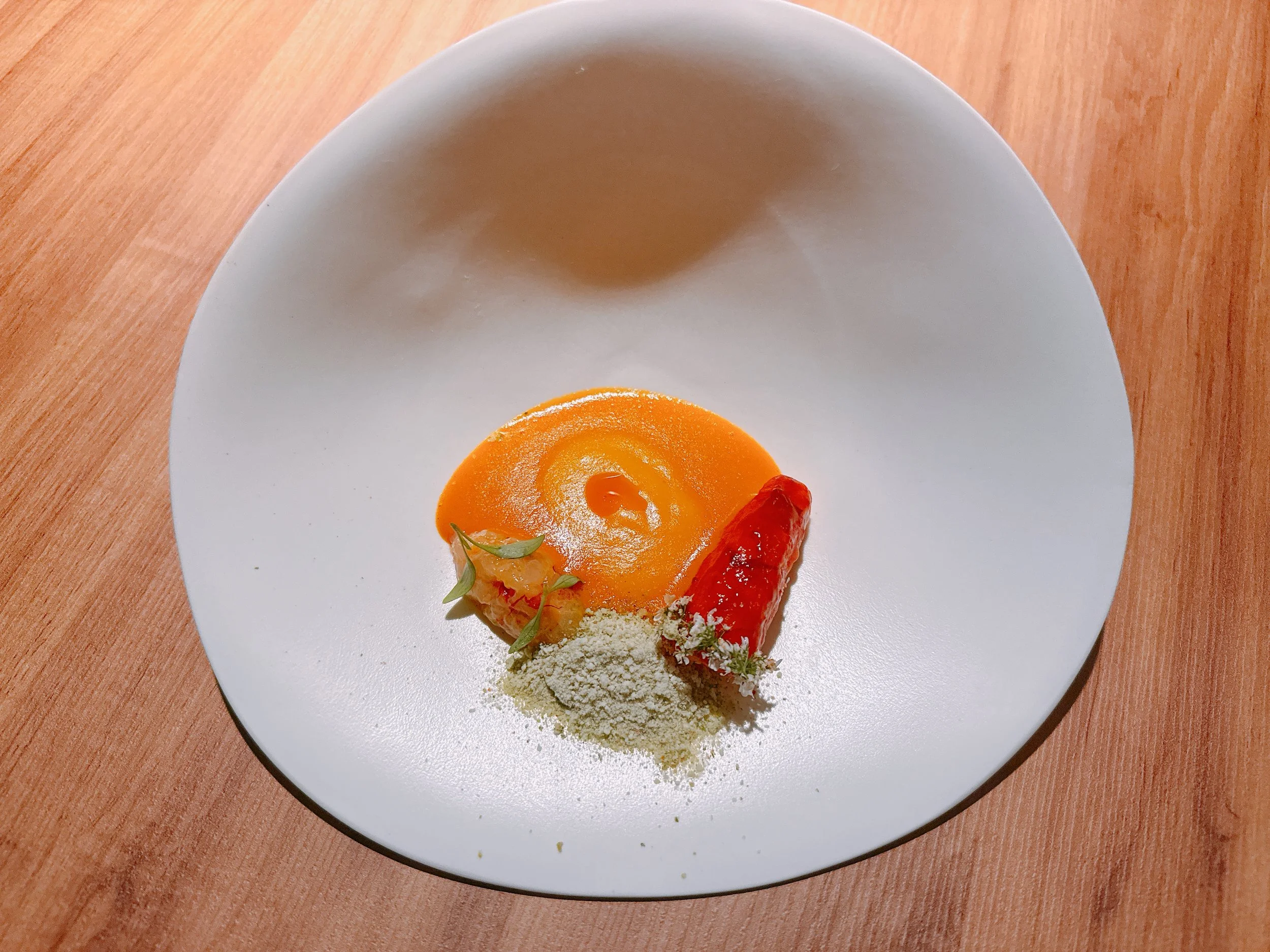
“Shrimp bobó” is a Brazilian dish with West African roots, and it was the inspiration for the following course. Carabinero shrimp had been cooked three ways, seasoned with dendê oil and accompanied by a frozen coconut/cilantro powder. Even without ever having had “real” bobó, this dish was delightful. The three shrimp preparations were all very different: a creamy sauce, some nicely cooked and seasoned meat, and finally sweet, lightly blanched shrimp - everything was very well done 18.
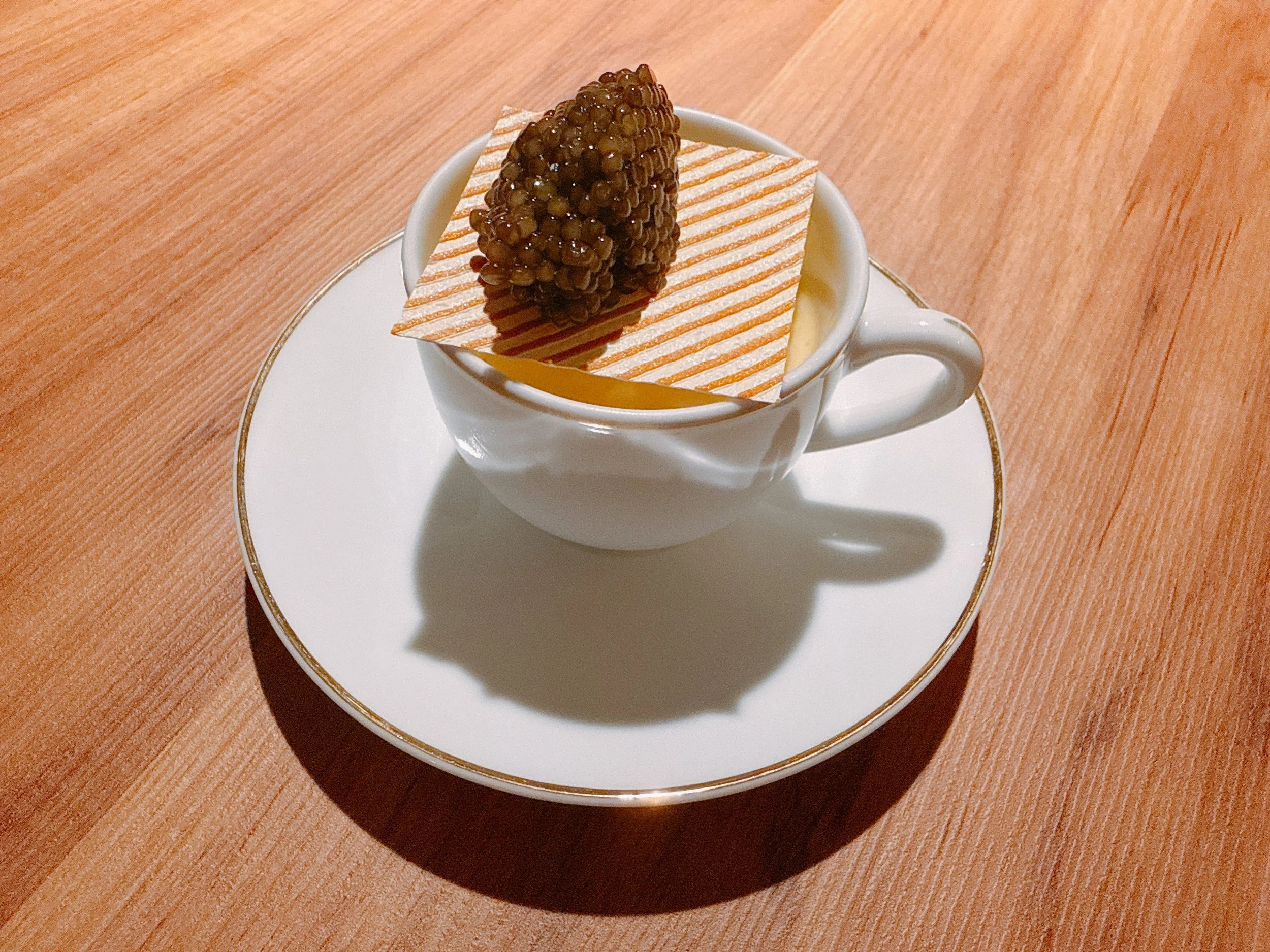
What looked like a cappuccino - served in a typical cup, with foam on top - was actually a fish dish. Cod was covered by a foam made of mandioquinha (a root vegetable) and an essence of tucupi (a sauce made from cassava). We had opted for an additional dollop of Uruguayan osetra caviar on top. Not surprisingly, this dish tasted of fish - the caviar probably helped in that regard. The foam was quite fragrant, in other cuisines one might have used saffron here. The fish was tender, and the wafer added a contrasting texture that, at least to me, didn’t seem strictly necessary for the dish 17.
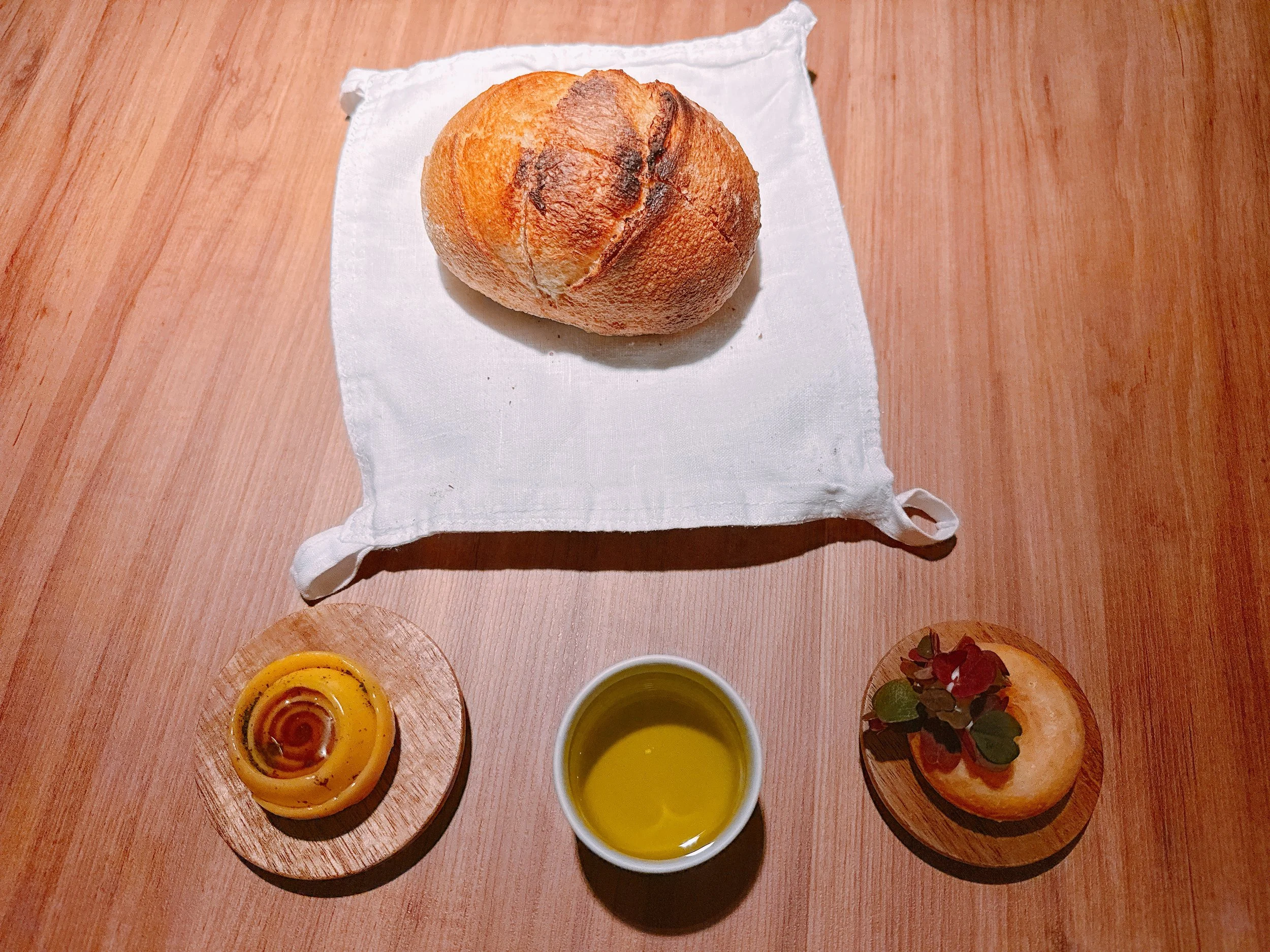
The following bread serving consisted of two breads. First, a small donut-shaped cheese bread that had been made with a Brazilian smoked cheese similar to provolone. Good and cheesy, it was also a bit heavy, and was only minimally lightened up by the herbs on top. The main bread - which we got to keep for the remainder of the savory courses -, was a sourdough bread made with cassava flour, giving it a very chewy crust and a somewhat sticky interior. The accompanying Brazilian olive oil was fragrant, and a passion fruit butter drizzled with honey made this feel almost like a dessert - yummy 16.
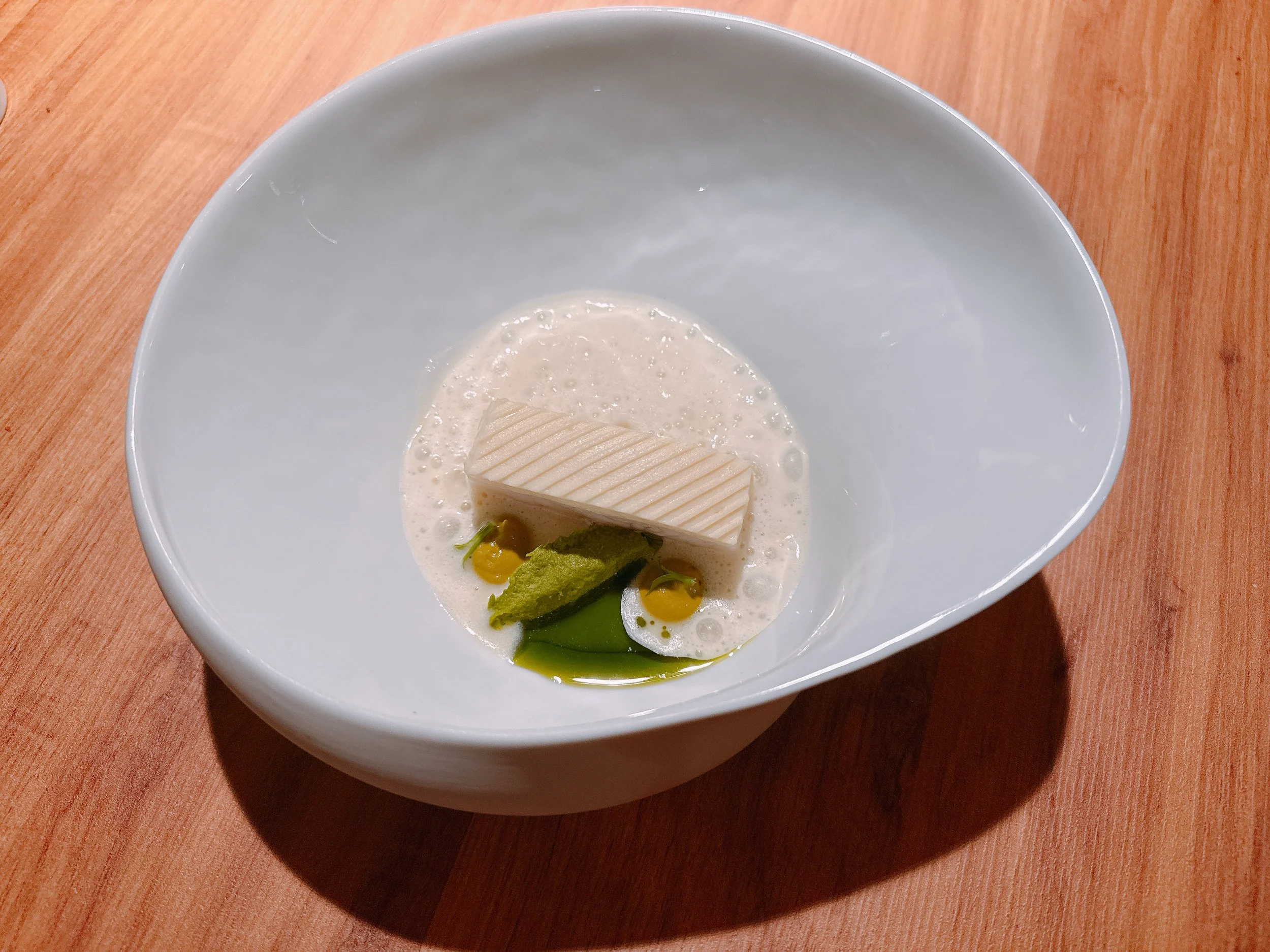
A steamed filet of sea bass was served with a deconstructed moqueca (a seafood stew) made from sururu (a kind of mussel). The fish was cooked perfectly, and the sauces had great flavor profiles: from a subtler green sauce to a more flavorful white sauce with some acidity and a hint of spice 18.
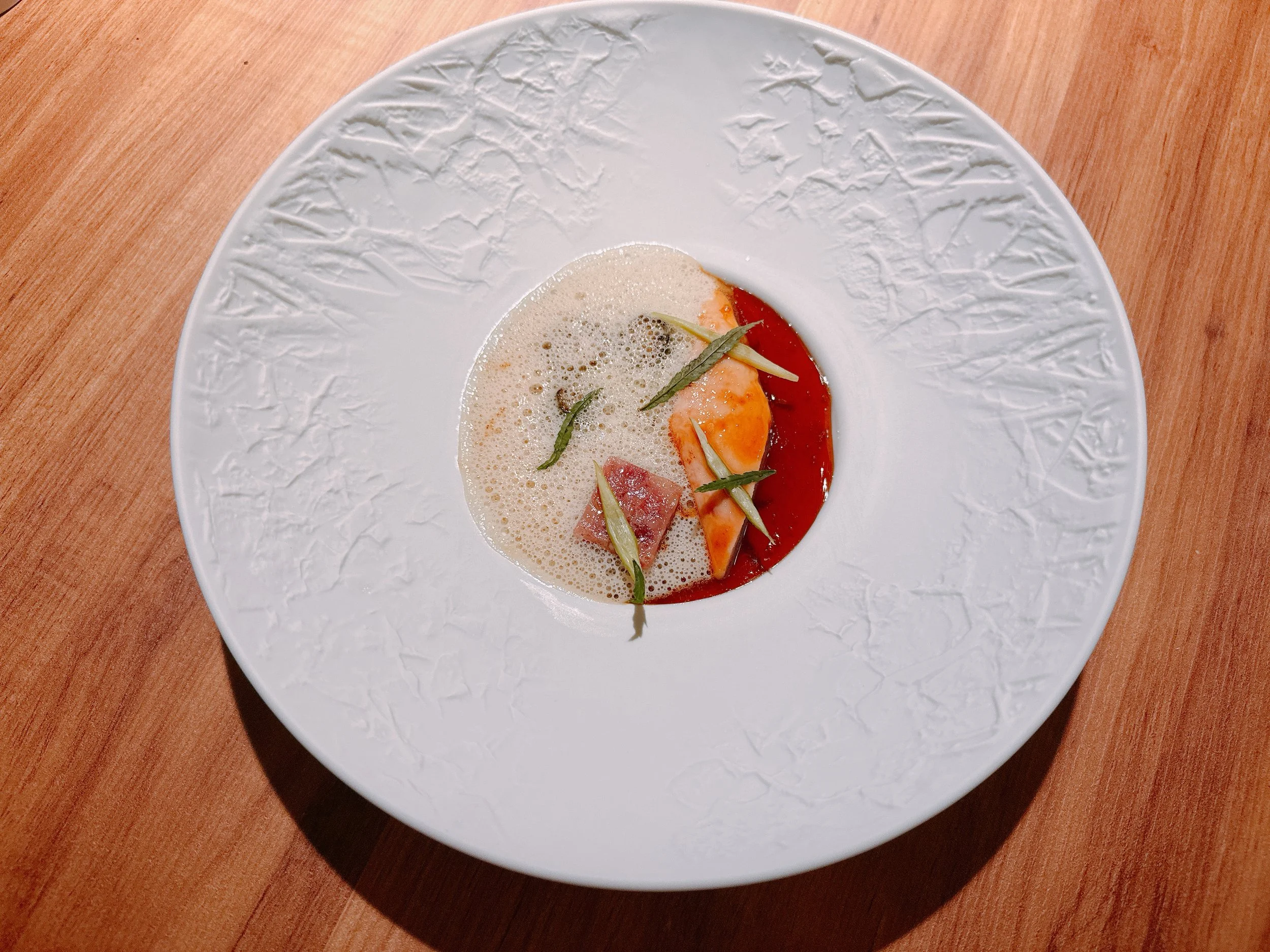
Chicken breast was served with okra, a slice of cotechino sausage, a collagen-heavy chicken reduction, and a wine-based sauce. That wine sauce was arguably the best part of the dish. It was very aromatic, and went well with the tender chicken and the rest of the dish 17.
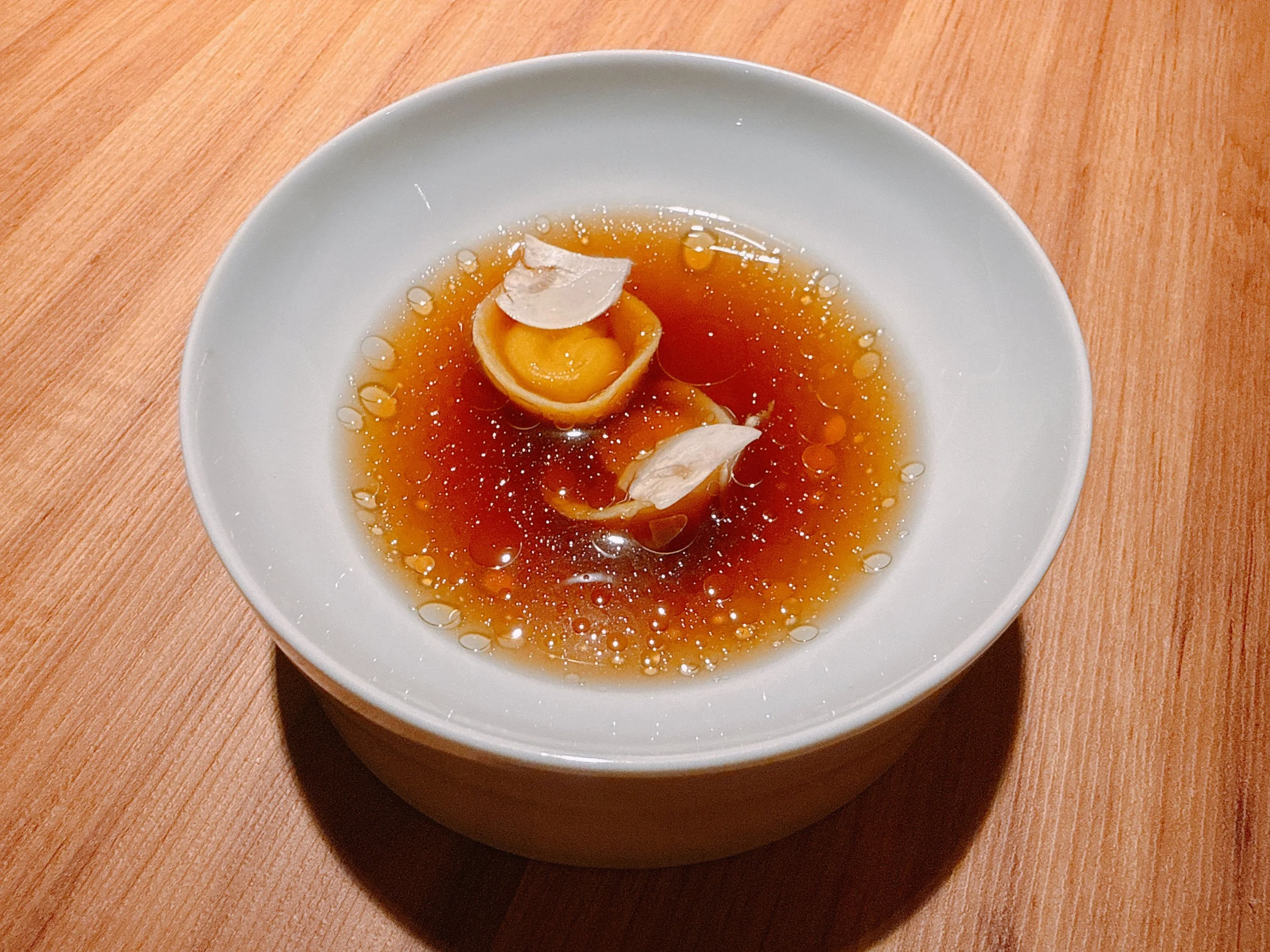
Two tortellini filled with Brazil nuts were served in a broth made from mushrooms, chilies, and juniper. This dish was quite elegant in the sense that none of the flavors were too strong. The broth had some mushroomy umami, but was not very intensely flavored. The filling of the tortellini merely had a nutty aftertaste. Personally, I could have gone for a bit more oomph here, but the restraint was presumably intentional 16.
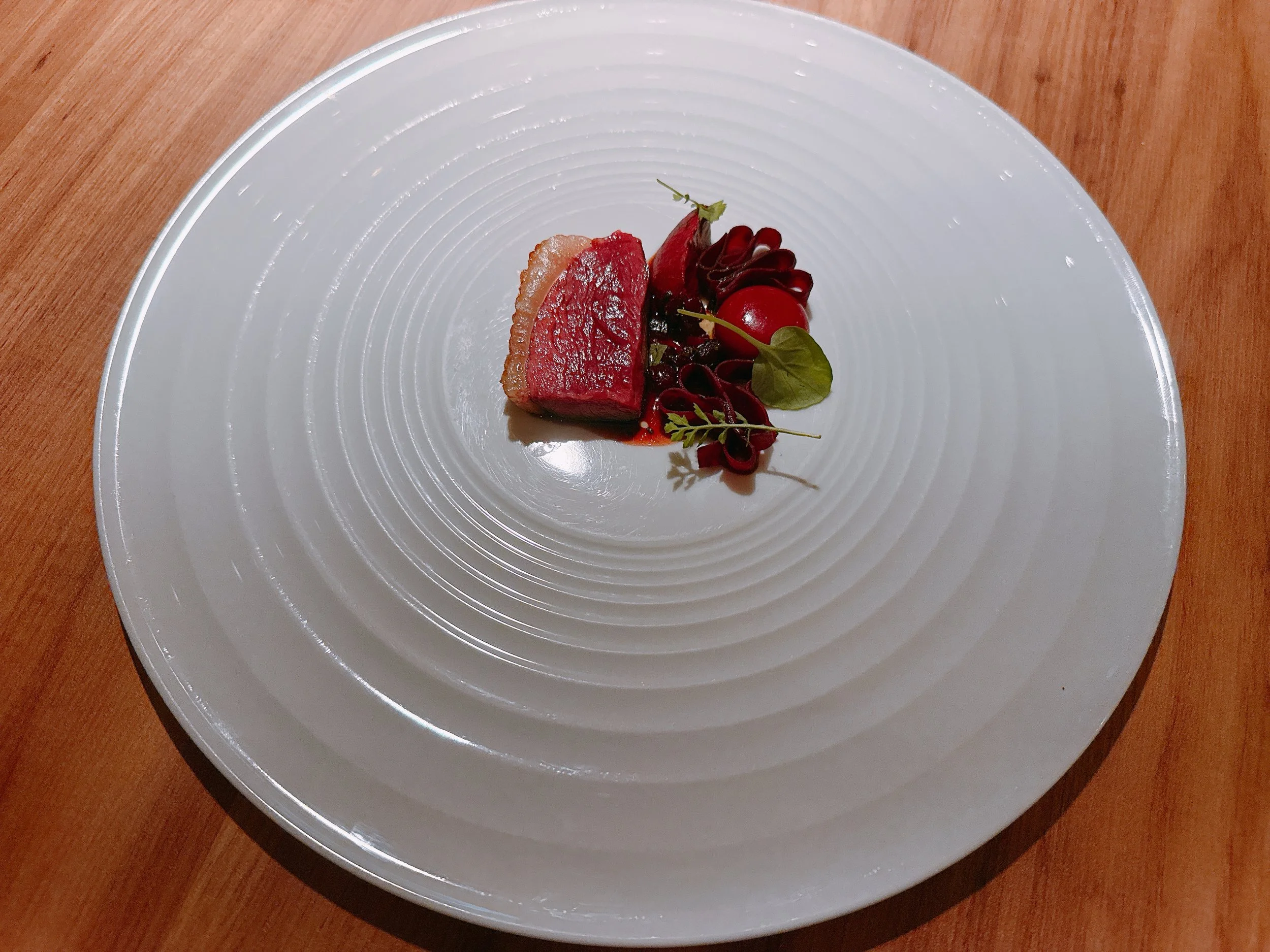
The final savory course was based on beef. In the regular menu, it featured a cut of Brazilian beef called picanha (pictured), notable for its layer of fat on top. For an upcharge, one could replace this by a Japanese A5 wagyu steak. Both came with several preparations of red beets and a sauce made from brassicas (watercress, wasabi, mustard, etc). The beet preparations were uniformly excellent, from crunchy slices, via an acidic beet “bonbon”, to a slightly spicy mousse. It was great to see the many different ways of coaxing flavor out of the common root vegetable (18 or 19 by itself). As for the beef, the Brazilian cut had a somewhat tough texture - not terrible, but definitely noticeable. The fat practically melted in one's mouth, making it a good addition to the cut. To be honest, though, I much preferred the Japanese beef: it was more flavorful, more tender, and cooked perfectly. As an additional plus, it came in a small enough portion to be manageable after such a long dinner. Overall, this might be a 17 for the Brazilian cut, but the Japanese version was a 18.
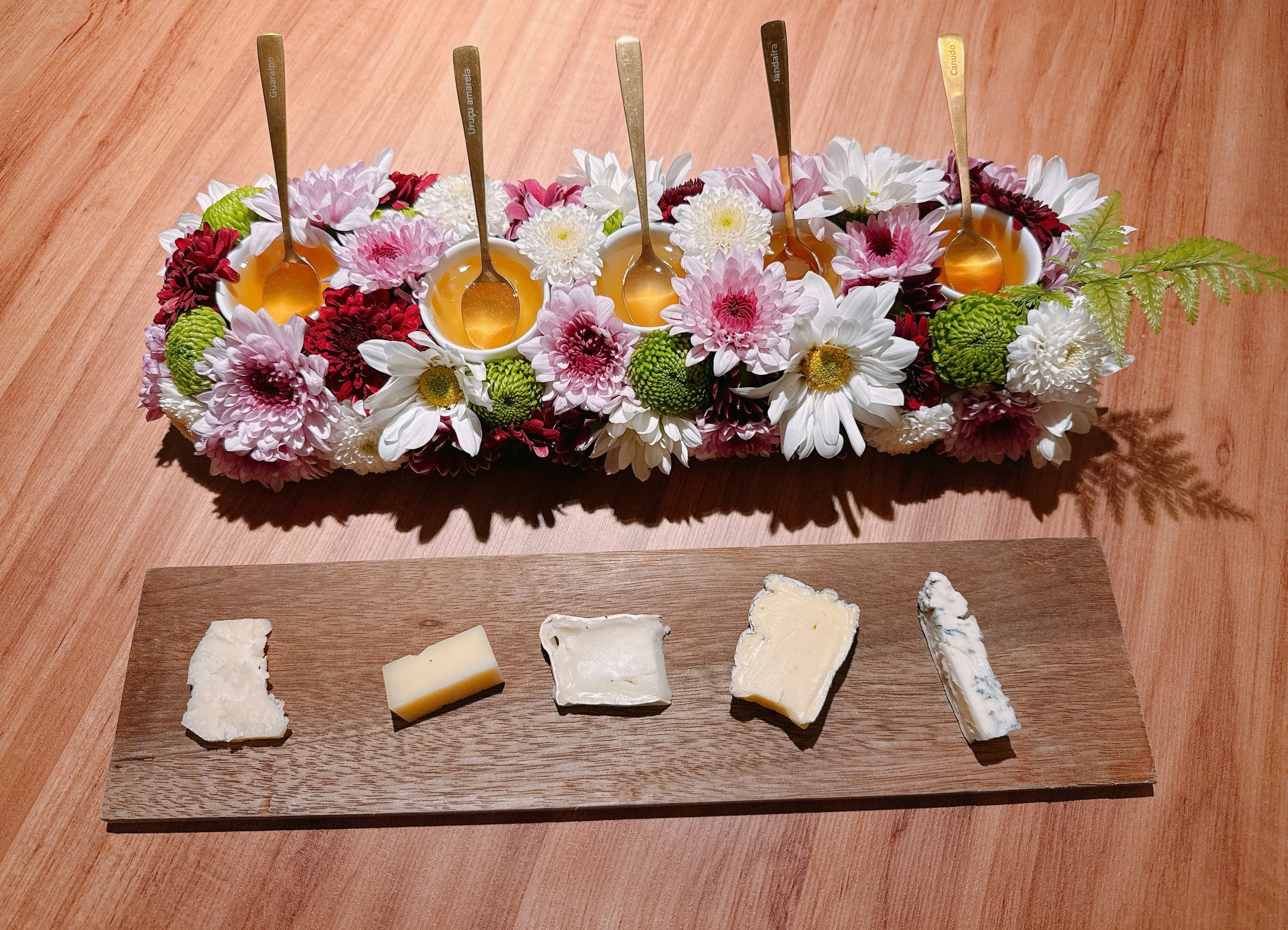
An optional cheese course featured three cheeses from Brazil and two from Italy, all paired with five different kinds of honey from stingless bees. This was a nice variety of cheeses, and the honeys were quite light, but had different taste profiles. Not bad, and not too much food especially if one were to share it among two people 16.
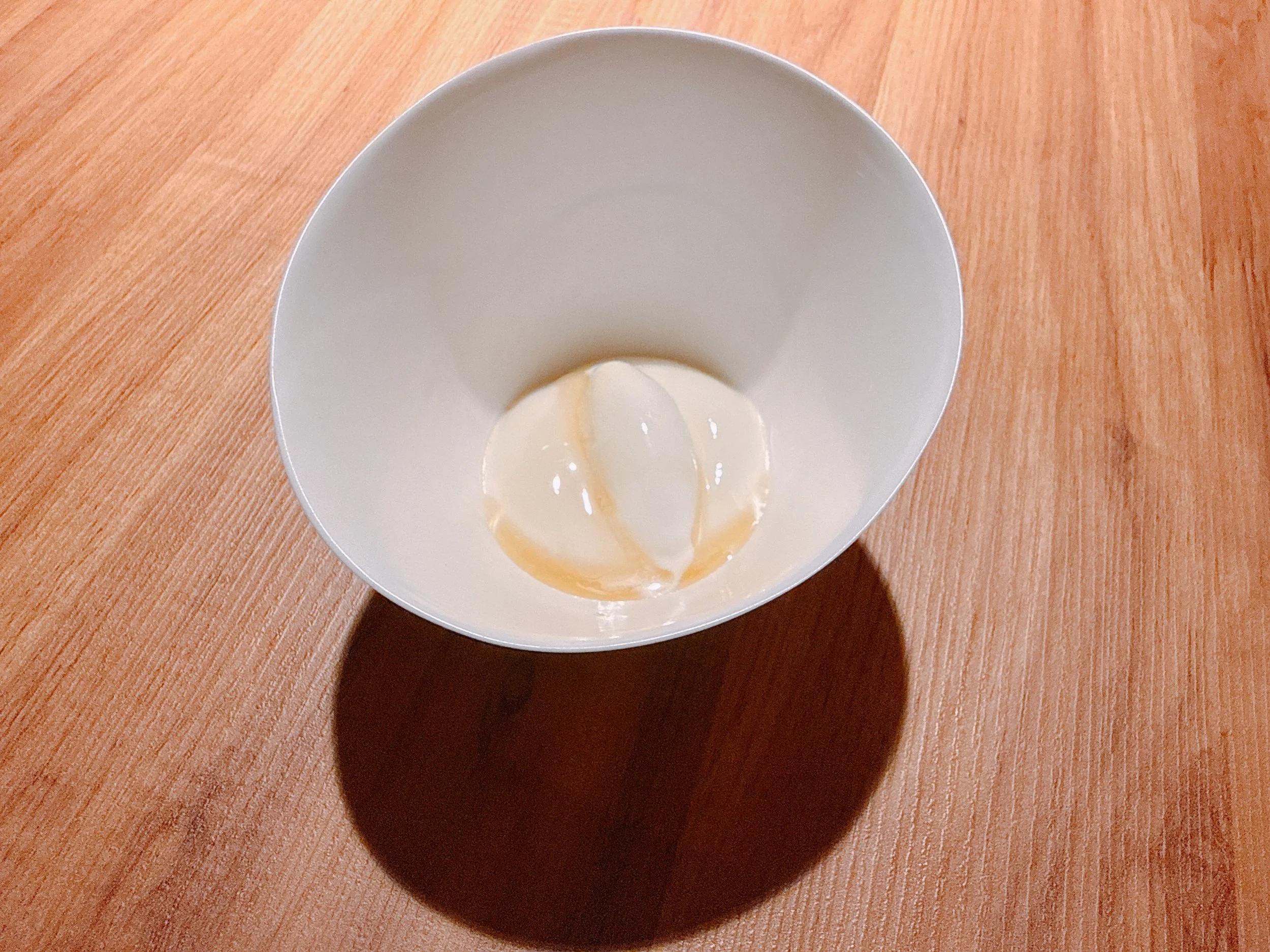
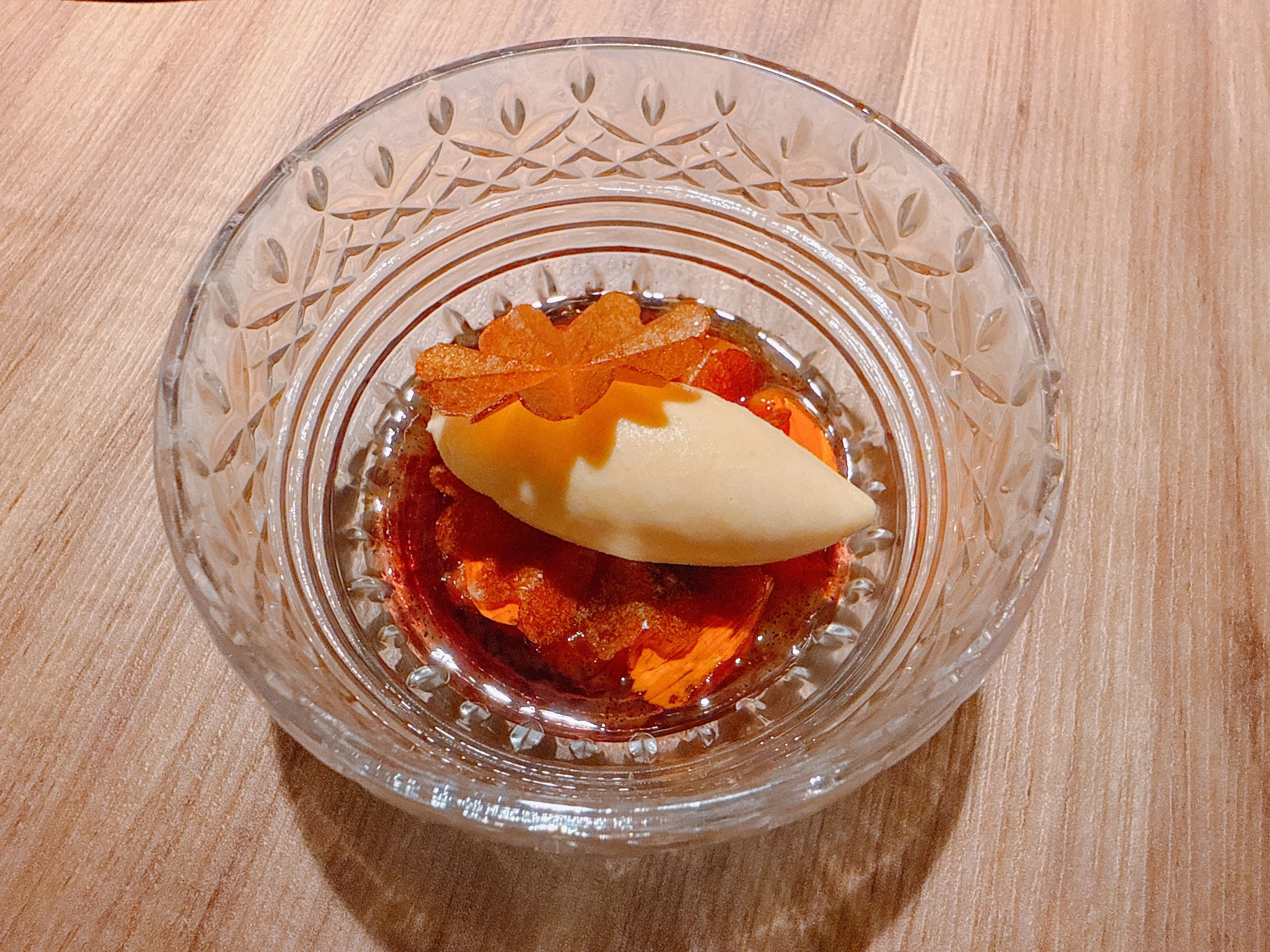
The palate cleanser was a yogurt ice cream served with beeswax foam, pollen and honey. This was a nice combination of tartness and sweetness with a bit of acidity - yum 17.
Apparently, the combination of papayas and cassis is a Brazilian dessert staple. Here, we were served a marshmallow-like rendition of papaya, with some shiso leaves and a syrup made of cassis and Brazilian vanilla. A light dessert with a variety of textures, a strong cassis flavor, and a hint of shiso 17.
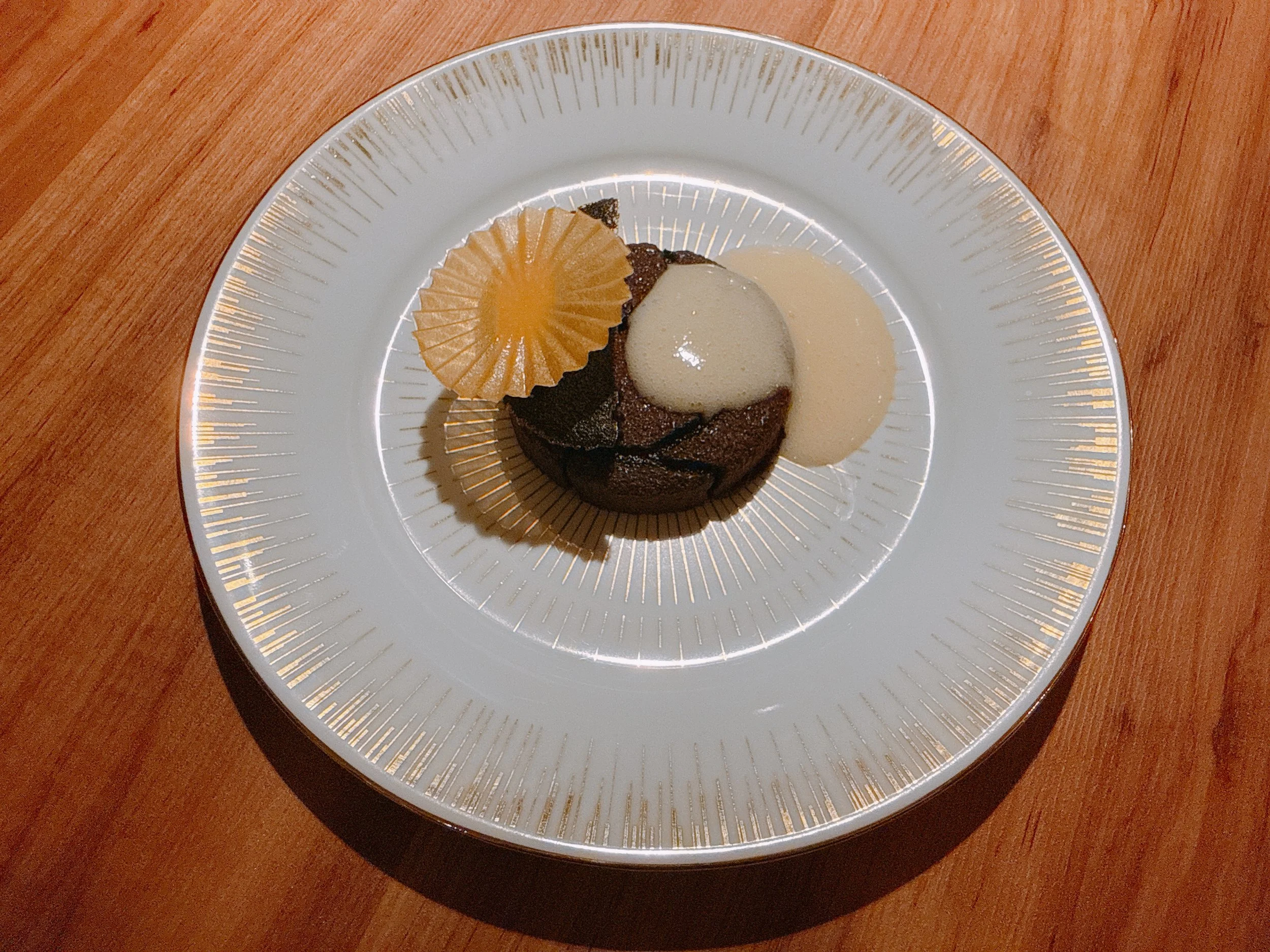
Our final dessert used both 70% chocolate and cupuaçu fruit (a relative of cacao). They appeared as a cake, as an ice cream, and in a cupuaçu sauce. Served at room temperature, this dish was notably heavier than the previous one. Very (maybe too?) chocolaty, with the fruit adding some acidity to offset the heaviness 16.
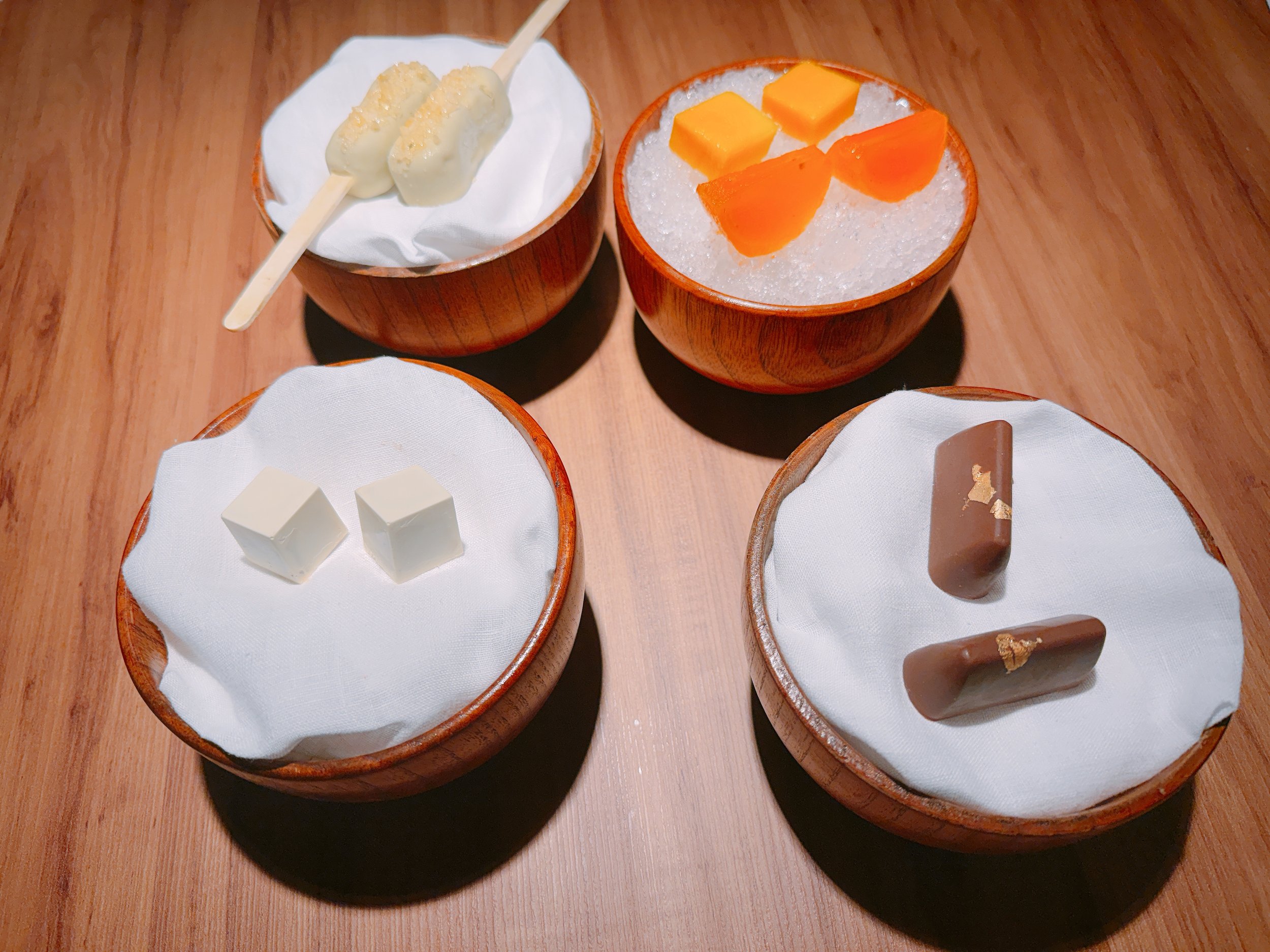
A few small bites concluded our dinner. Two pieces of fruit, a not-too-sweet papaya and a sweet, lovely mango, were excellent 18. A white chocolate/pistachio popsicle topped with pop rocks had a strong pistachio flavor, and felt a bit heavy for this late in the game 14. “Guava cheese” was a cheese praline filled with guava - creamy, with a hint of fruit 14. And finally, a milk chocolate/peanut praline actually tasted more of peanuts than of chocolate 15.
Overall: A blend of Brazilian and Italian cuisines that leaned more towards the Brazilian side. The influences of Reale (where the chef worked before), were not overly noticeable. Sadly, I missed out on the Brazilian cultural references among the dishes, not being too familiar with the country’s “normal” cuisine. But even without that background knowledge, this was an enjoyable meal with no misses, a few exceptional dishes, and consistently great service. Definitely worth a stop when in São Paulo 17.