Silver Pot - Chengdu
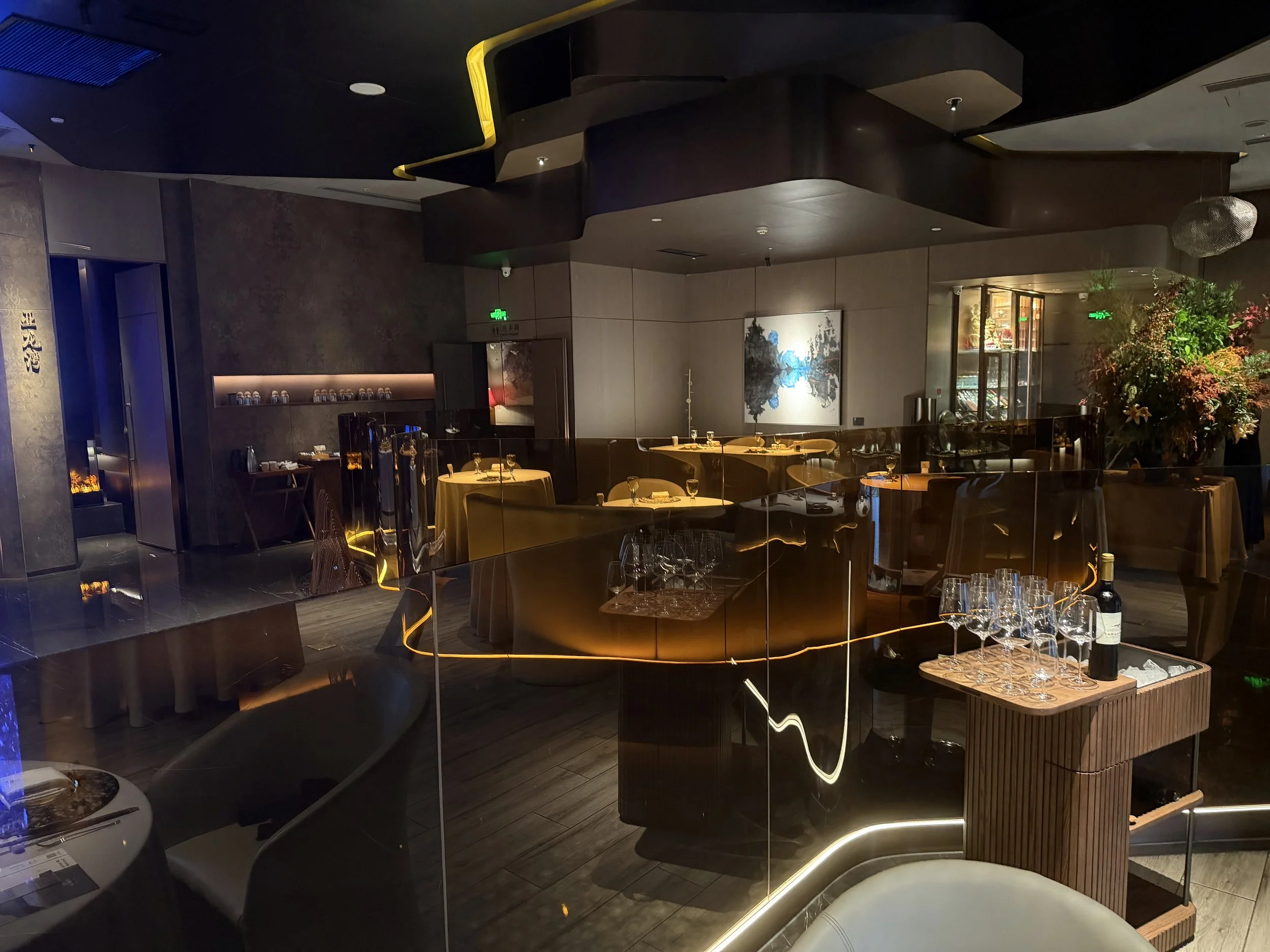
Black interior with some neon accents
Rating: 14/20
Where: Chengdu, China
When: Dinner for 1 on 26 September 2026
Cost per Person: Tasting menu 669 CNY ($100)
Accolades: 1 Michelin Star
Why: Upscale introduction to spicy Sichuan cuisine
Chengdu is the capital of China's Sichuan province, and as such (unsurprisingly) boasts the highest number of Michelin-starred Sichuan restaurants anywhere in the world. I was in town to visit the world's newest three-Michelin-starred restaurant, Xin Rong Ji, but that one ironically serves a cuisine from coastal China instead of the local, spicier Sichuan kind. Figuring that I should at least have one meal of local-ish fine dining cuisine, my choice fell on one-Michelin-starred “Silver Pot”. To be fair, I didn't do much research into the restaurant before visiting, other than noticing that it was the sole Michelin-starred restaurant in the city that was easily bookable online.
The restaurant was opened in 2018 by chef Ziling Zhou, who owns a handful more restaurants in Chengdu in addition to one in Hong Kong. Silver Pot is located in a lively modern neighborhood near the Chengdu Financial City Twin Towers, about a thirty minute drive south from the city center (and incidentally only a short walk away from Xin Rong Ji). It sits on the fifth floor of a shopping mall, but has its own elevators on the east side of the building that deposit diners directly inside the restaurant's dining room. The room’s decor is modern, held mostly in dark colors, with the occasional LED lights and abstract art. A podium and projector suggest that one could hold private functions here, for example a (small) wedding banquet. The main dining room, holding about ten tables, has floor-to-ceiling windows looking out onto the Twin Towers. Private dining rooms are in the back.
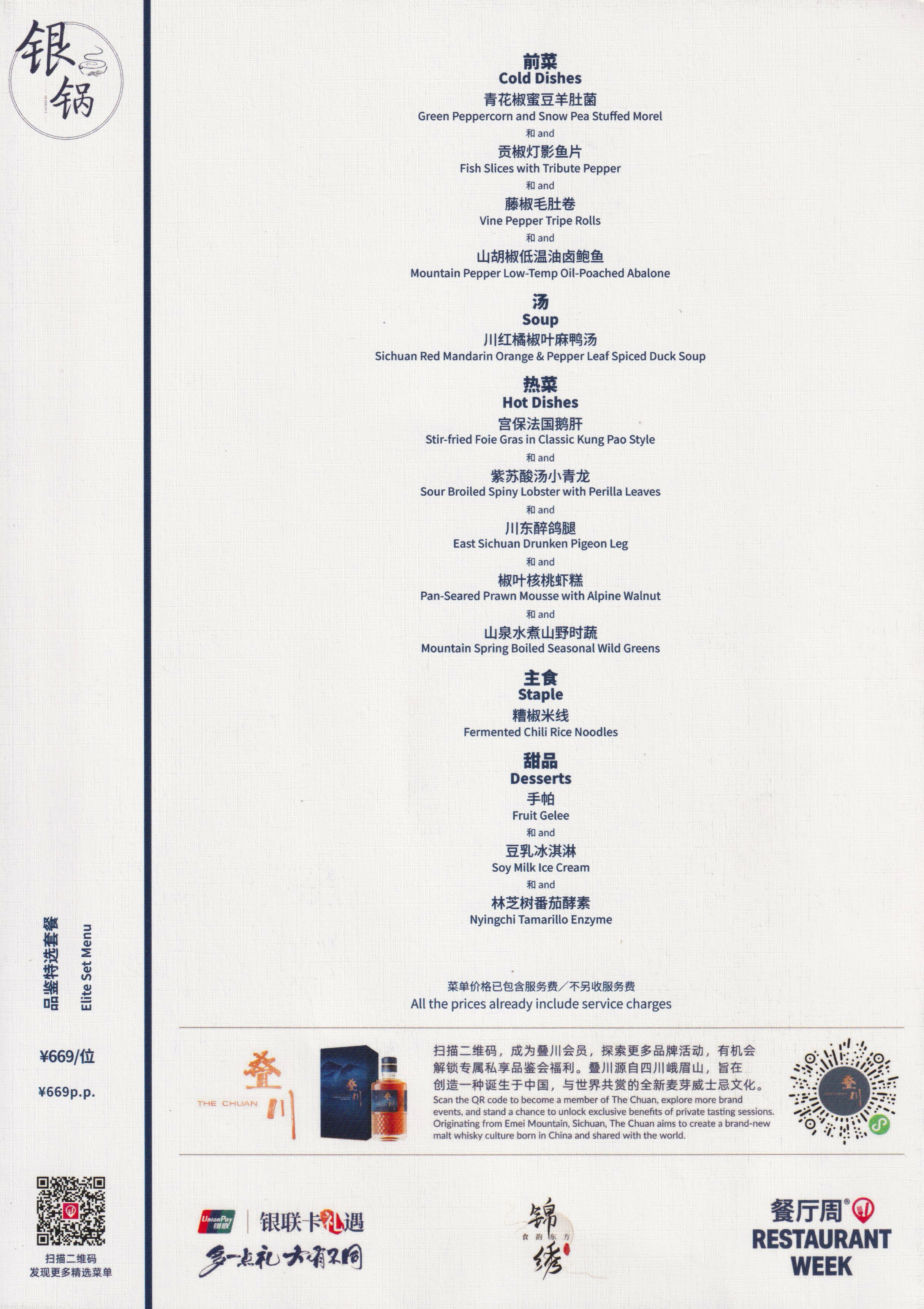
I dined at Silver Pot during a nation-wide “restaurant week”, so that its 669 CNY (about $100) tasting menu came with a complimentary shot of Chinese malt whiskey (coincidentally made in Sichuan province). The restaurant also has an a la carte menu, but I didn't get to see it - and it might not have been that useful for a single diner, anyway. The whiskey was decent, and between it and the constantly refilled hot tea, I didn’t feel the need to order any other drinks for the duration of the dinner.
As it turned out, none of the staff, except for the sommelier, spoke much English. Given that the tasting menu predetermined all the dishes, this was not a big problem, though. And for each course, the staff showed me a translation app on their phones that described the dishes in detail.
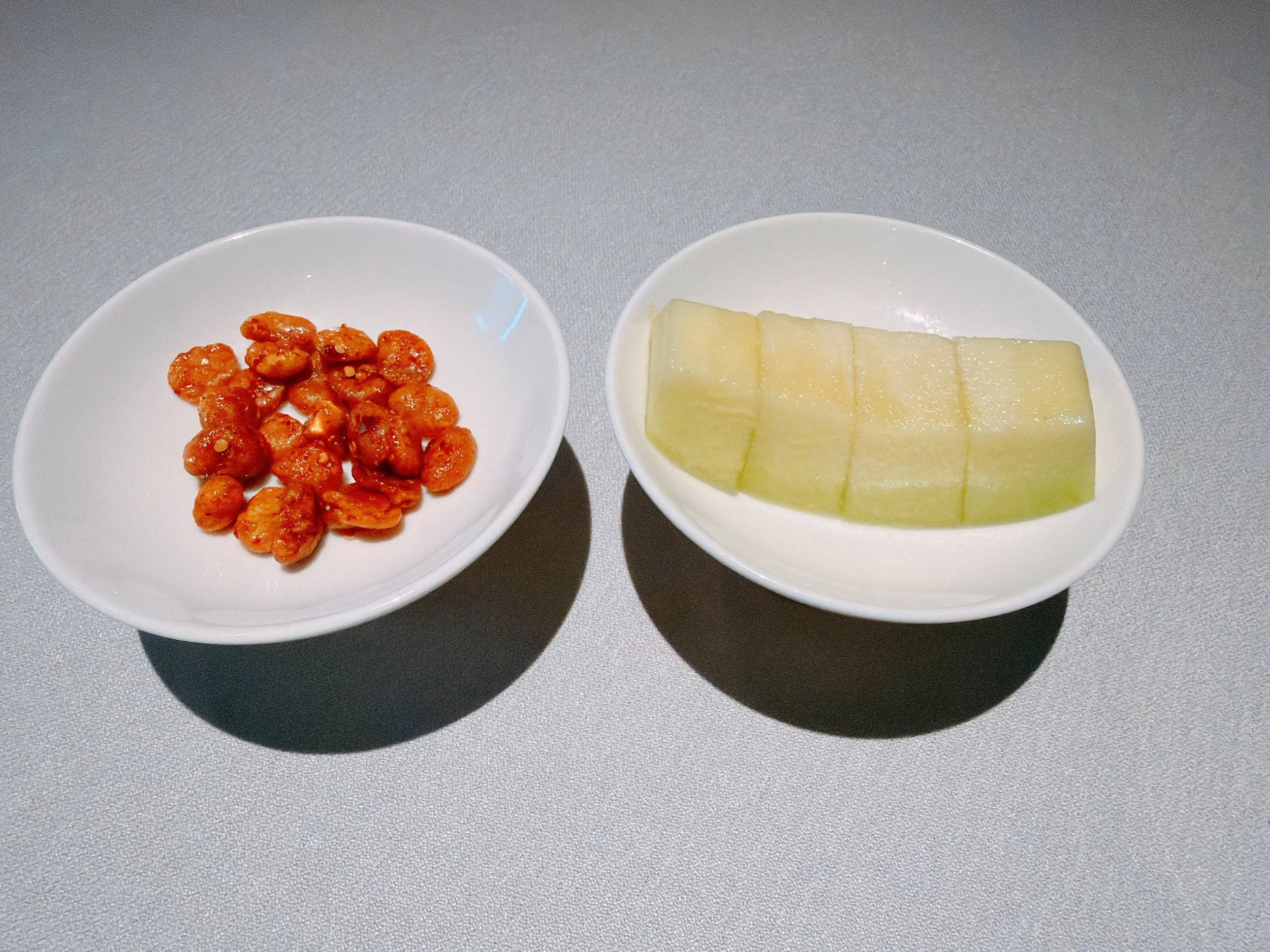
Before the menu proper began, I was served some snacks: a green melon and a handful of crackers. The melon was very sweet and quite tasty. I finished it off pretty quickly, but later realized that it would have made a great neutralizer for the spicy food. Oh well 15. The crackers were crunchy, a little spicy and actually a nice contrast to the sweet fruit 14.
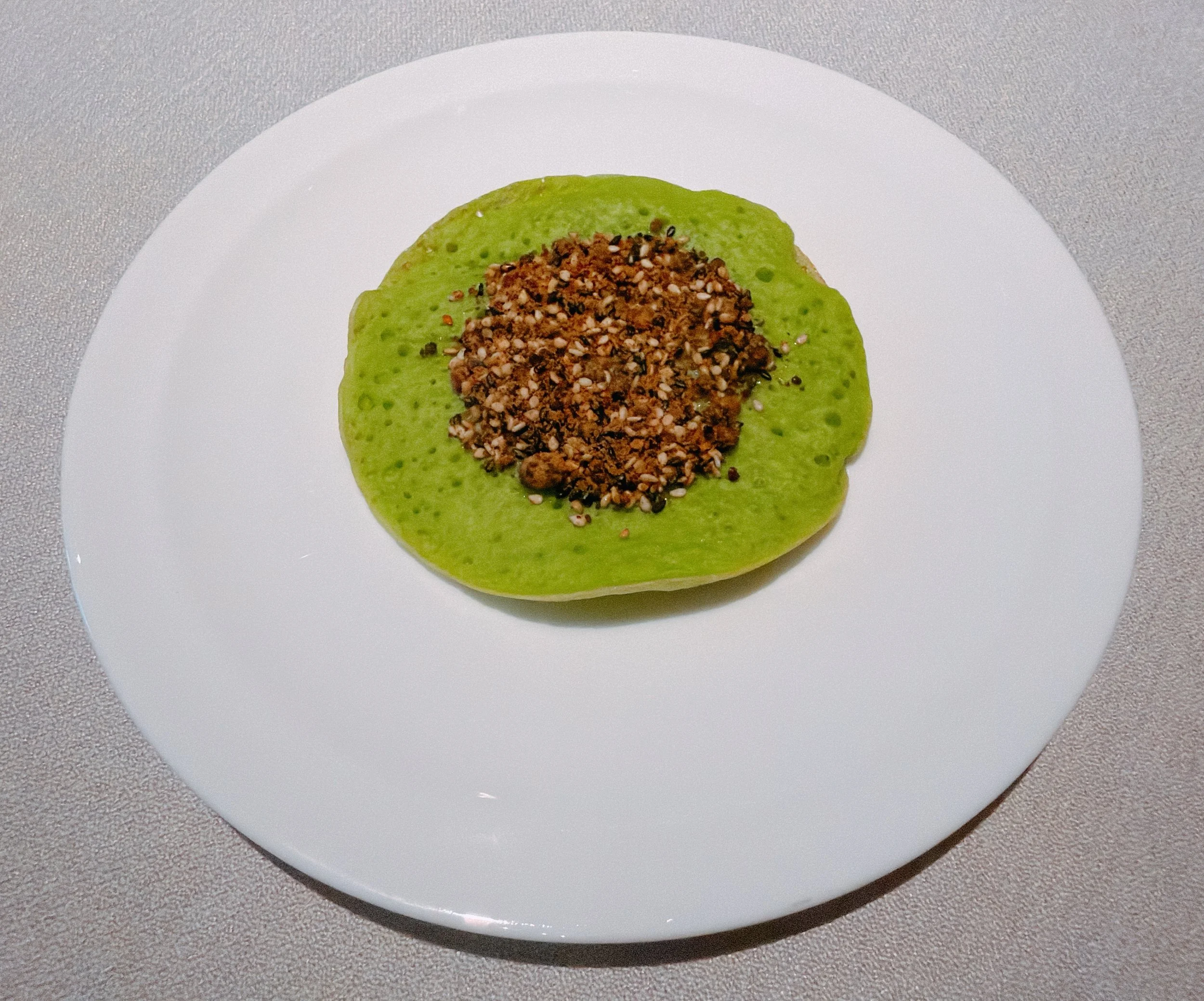
An egg pancake topped with a sesame paste was reportedly a specialty from Chengdu. The sesame paste had a bit of a crunch and was quite sweet, making this dish seem more like a dessert or breakfast 13.
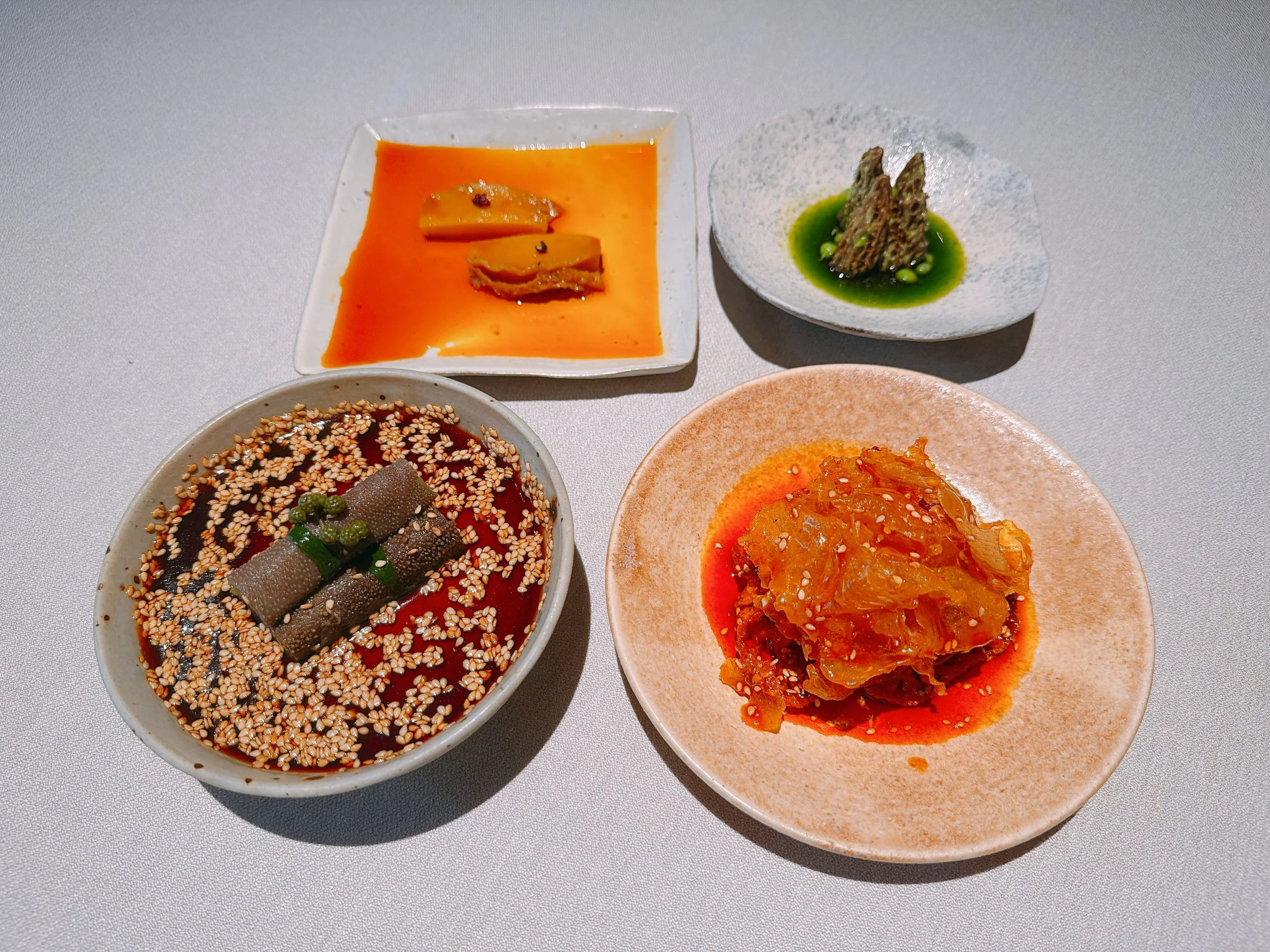
Four appetizers were served at the same time. I first tried some tripe rolls infused with Sichuan peppers and stuffed with cilantro and bamboo shoots (lower left in photo). The rolls were surprisingly crunchy, and texture-wise felt more like vegetables than tripe. A preparation that I'd never seen before, and quite tasty. The bites had a decent amount of spice as well, but not too much 16. A braised abalone (top left) was tender, with a medium amount of bite. Its spiciness was numbing 15. “Fish chips” (lower right) were essentially deep-fried, very thin slices of fish. Texturewise, they had more in common with potato chips than a fish filet - very unique. They were doused with a spicy sauce, making this dish somewhat oily. At the bottom of the pile of fish chips were some lightly sweet lotus root crackers, serving as a kind of palate cleanser 15. Finally, there were some morel mushrooms stuffed with beans (top right) - the only appetizer that was not spicy at all. The morels had a good texture and a creamy filling with a “green” flavor. The beans on the plate tasted a bit watery, unfortunately 15.
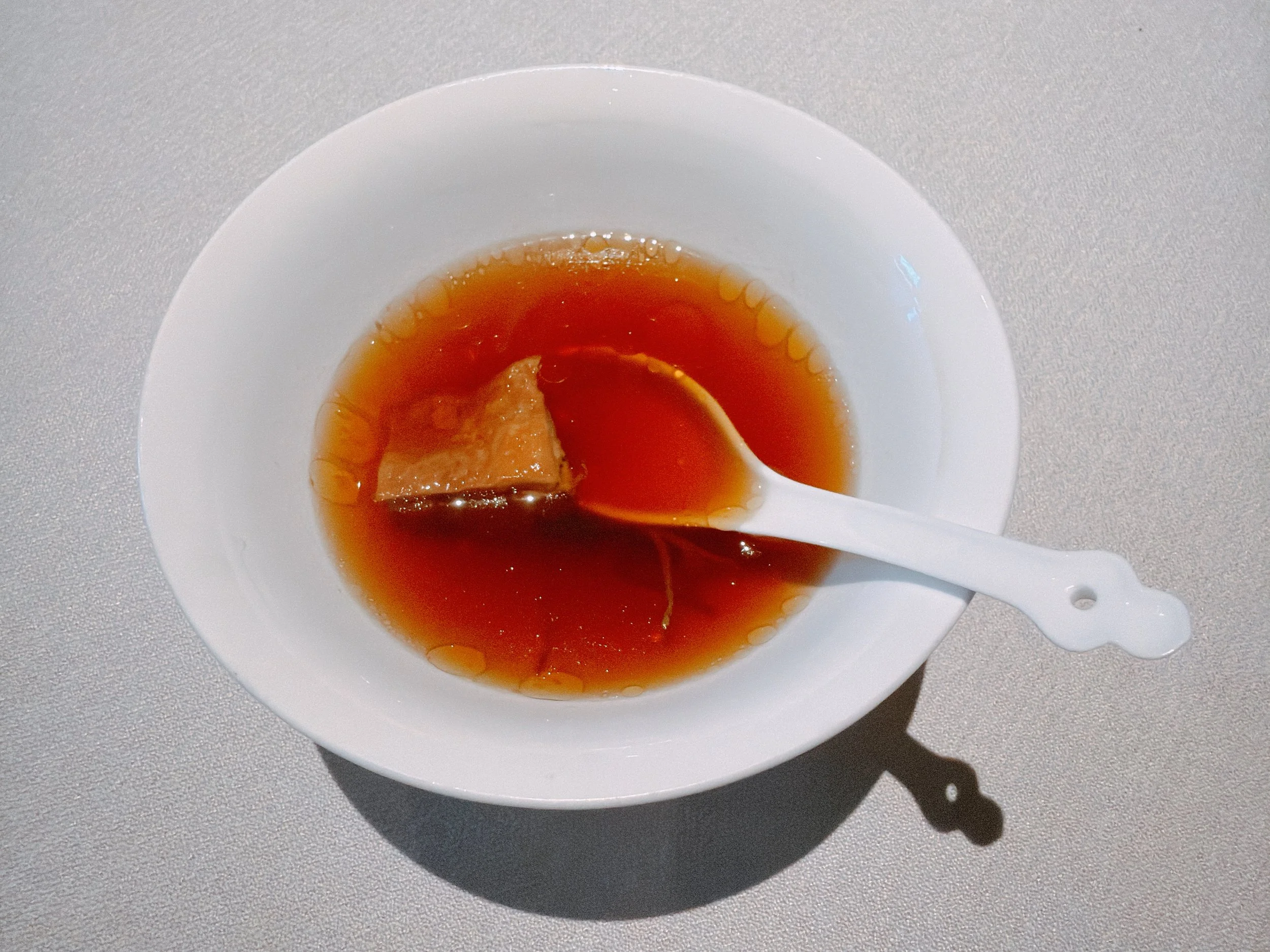
A duck soup contained only a single, overcooked piece of duck, which had hardly any flavor left in it. The soup was not spicy and quite pleasant, but also not terribly distinctive 14.
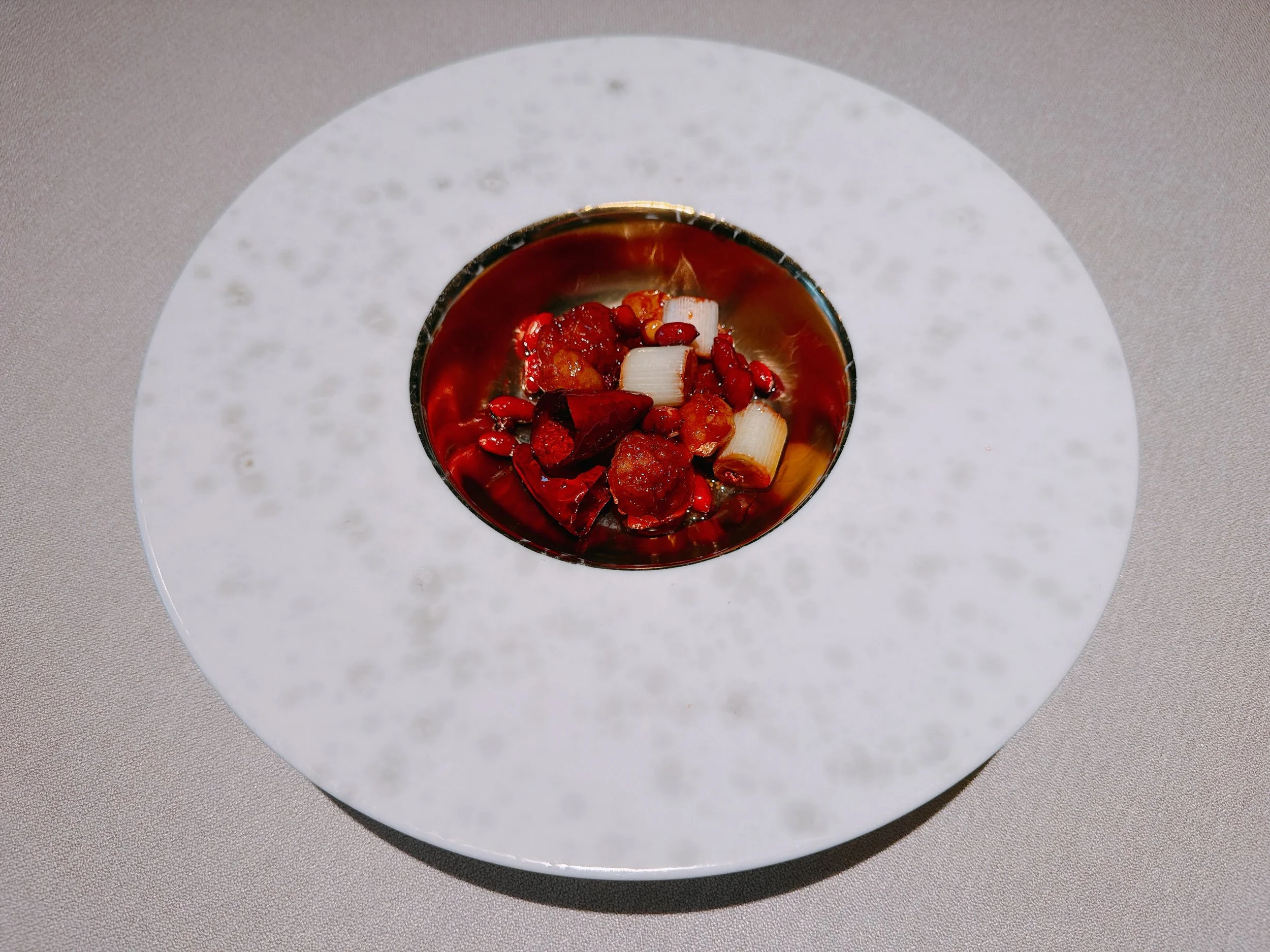
At this point, a series of main dishes arrived, all served in sampler portion sizes. First was a foie gras kung pao style. The foie gras had been breaded and deep-fried. It came with peanuts, some leeks, Chinese yams, and a healthy amount of spice. At first glance, crispy, fried foie gras sounded like an intriguing concept. But in reality, the only thing that ended up on the plate was the breading, since the foie gras had melted away during the cooking process. The crunchy and spicy leeks and peanuts provided some welcome texture. A hint of fruit was detectable as well. Not a bad dish, but it was odd that the supposed main ingredient was nowhere to be seen 14.
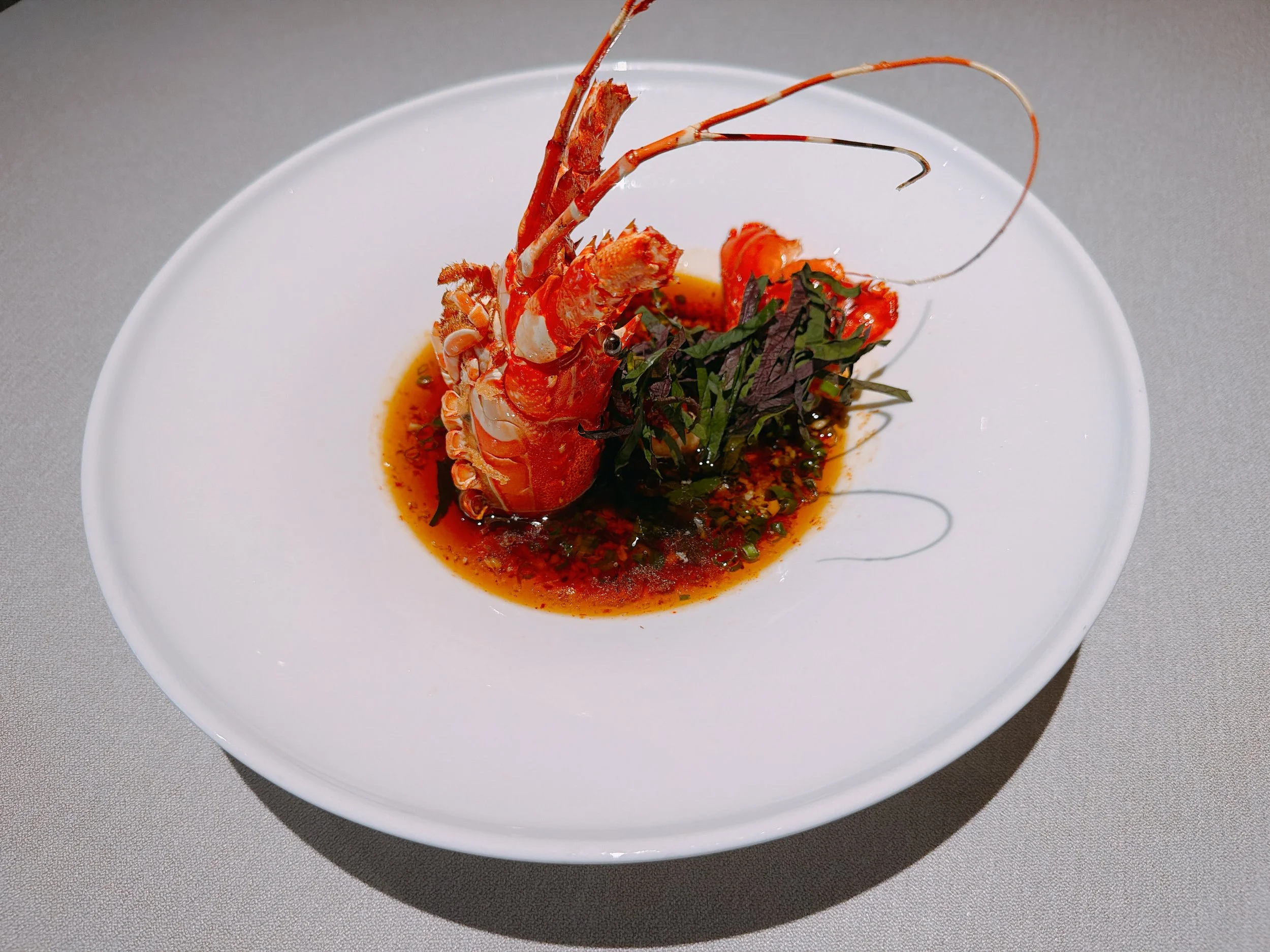
A spiny lobster was served with green bamboo shoots and sliced perilla leaves. The lobster’s head and tail were only decoration, but its midsection had been deshelled. The plentiful sauce made the seafood both oily and lightly spicy. The bamboo was fresh and crunchy, and I actually liked it better than the lobster meat 14.
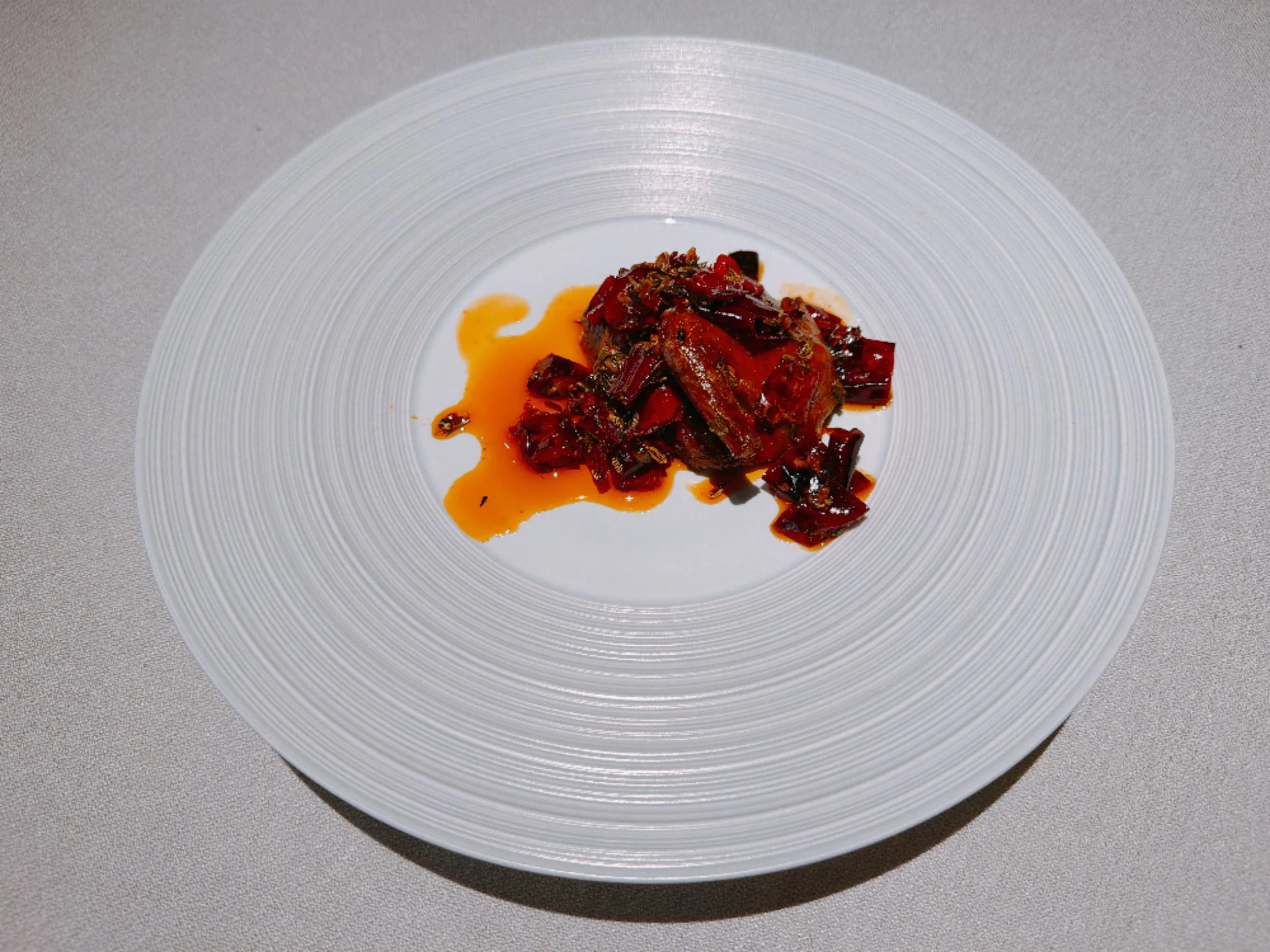
A drunken pigeon leg had been seasoned with fennel, fermented rice wine, beer and chili peppers. The result sadly didn’t have too much meat on the bone, and said meat was fully cooked. Up to this point, the spice level had increased dish by dish 13.
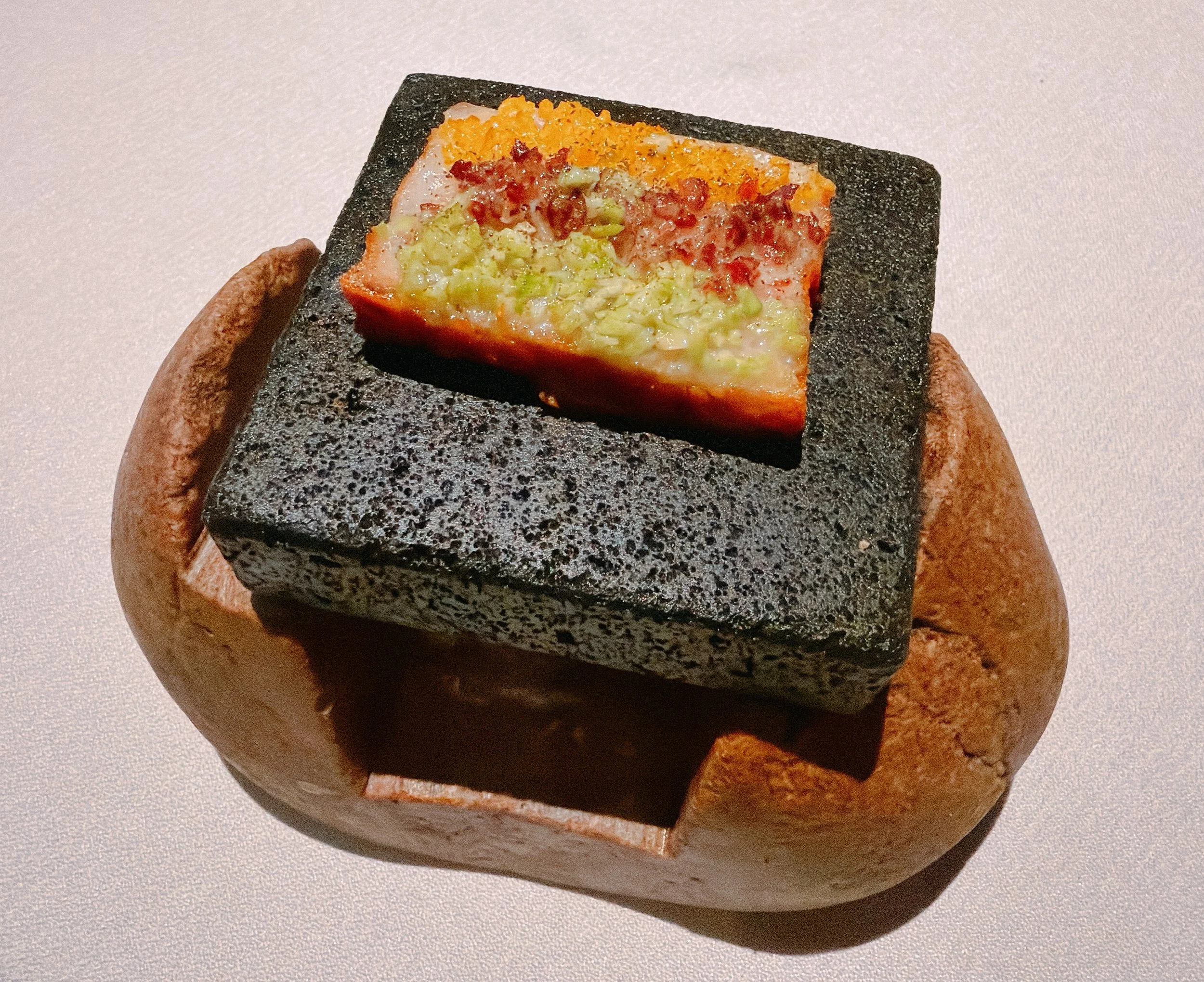
The following course had a tableside preparation. It was a “prawn mousse”, or rather a prawn cake that had been made with walnuts and topped with a trifecta of ham, broad beans and dried tangerine peels. At the table, it was first smoked over cypress branches, and then placed atop a hot stone. And that's how it was served: with the hot stone and a burner underneath. Probably not something that a restaurant's lawyer would allow to reach a table in the United States. Thanks to the preparation, the underside of the prawn cake was both crunchy and hot. Unfortunately, that was pretty much the end of the positive things to say about it, since it had barely any flavor. At most, it tasted a bit of beans, but not of seafood, and there was also no spice 13.
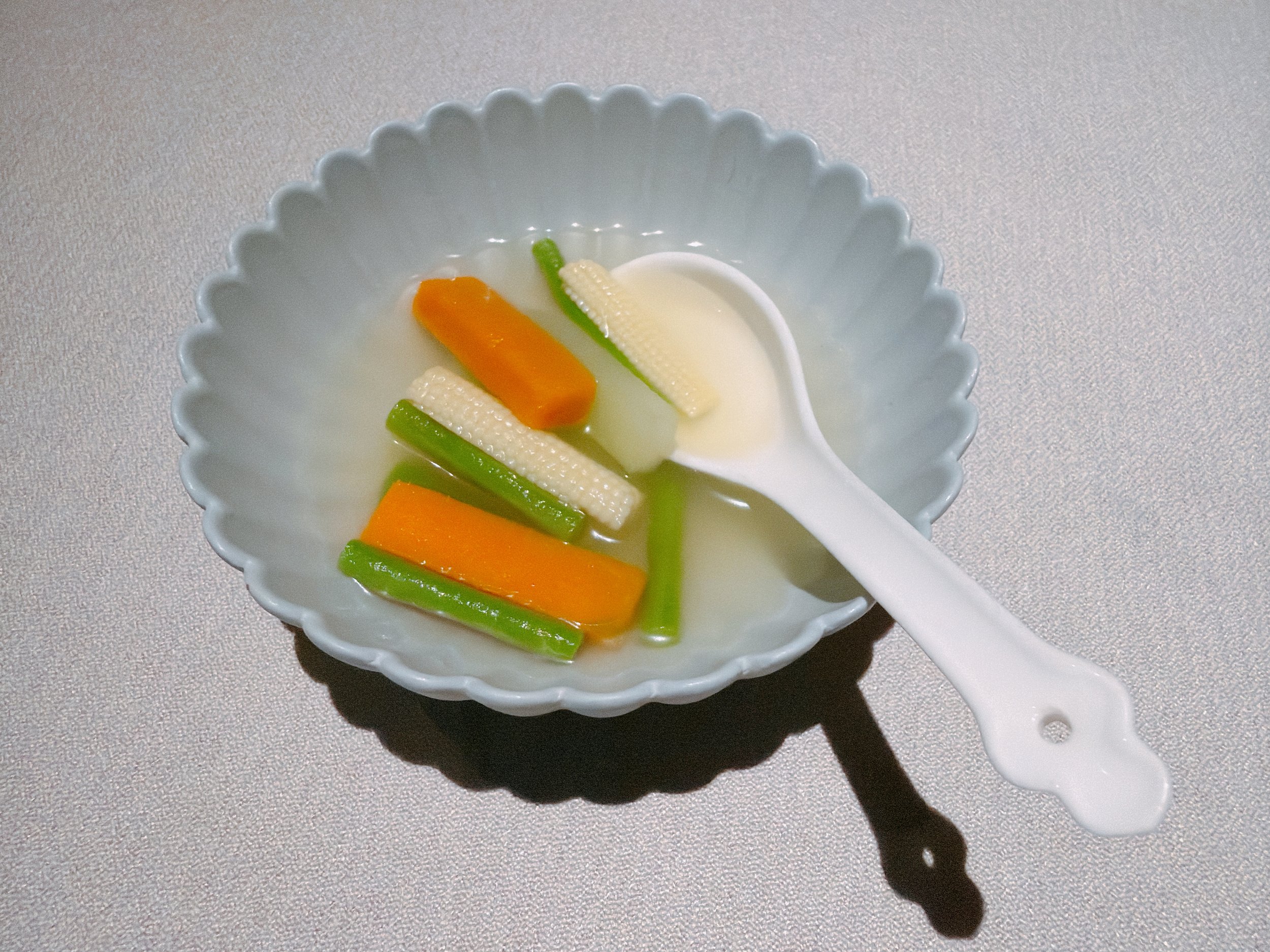
Next came seasonal vegetables that had been boiled in mountain spring water. The vegetables in question were crunchy baby corn, soft beans, and what looked like squash. The previous dish might have been light in flavors, but this one was utterly devoid of them. The vegetables seemed to have all flavors boiled out of them, but wherever they had gone, they were not in the broth, which literally tasted like plain water. Good for hydration, presumably, and maybe meant as a “quiet before the storm” for the final savory course. Not an actively bad dish, just a kind of “nothing” dish 11.
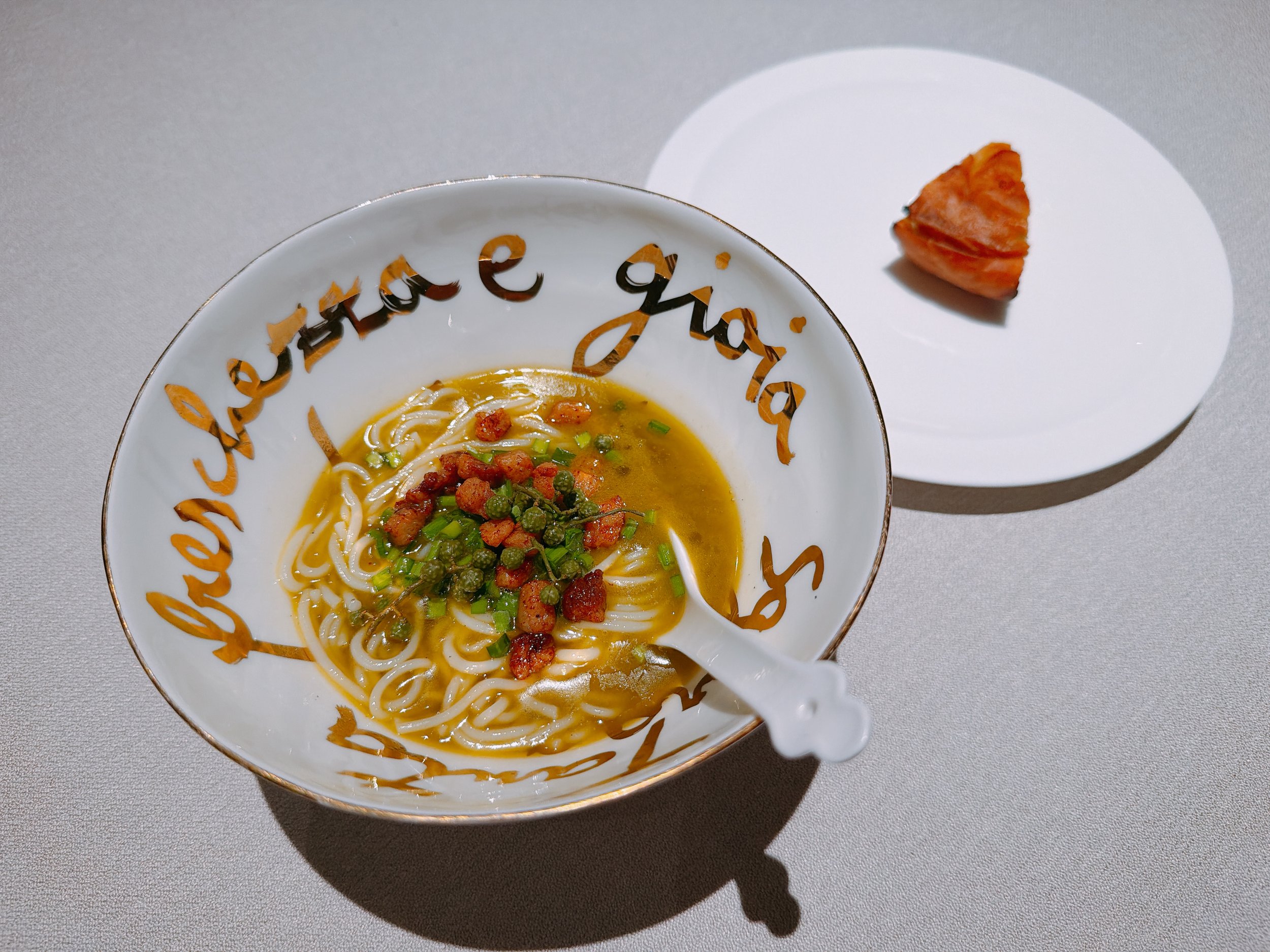
The last savory dish were rice noodles seasoned with fermented peppers, chives and pork cracklings. On the side was a slice of beef-stuffed bread. This dish definitely could not be accused of a lack of flavors. Sichuan peppers were dominant, making the noodles quite spicy. They had been cooked a bit beyond al dente, and the pork had a soft crunchy consistency. Very tasty, but also a bit rustic - similar to what I might expect to see at a good non-fine-dining restaurant. The bread was slightly crumbly, similar to a meat pie, and served as a non-spicy complement to the noodles 14.
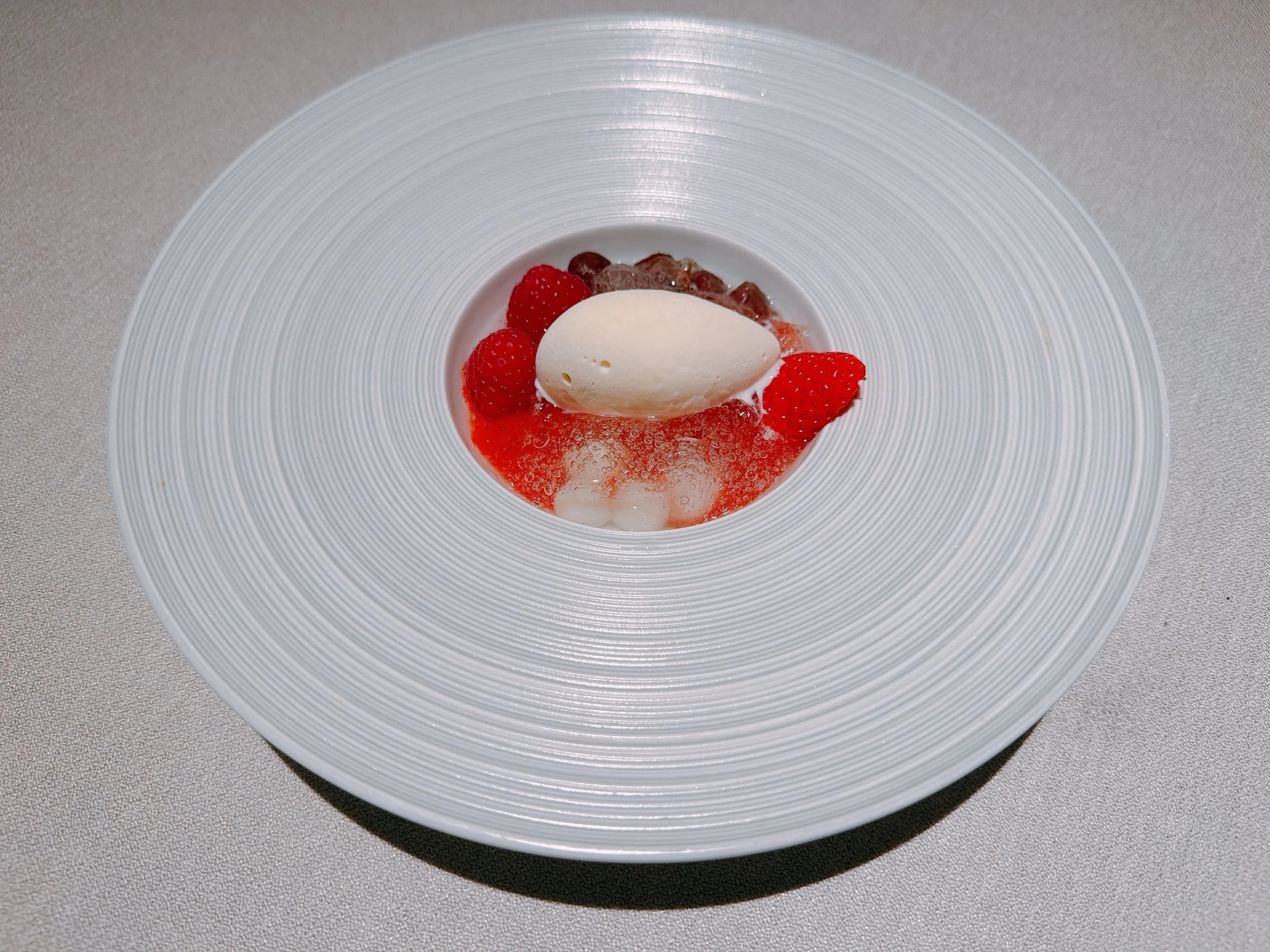
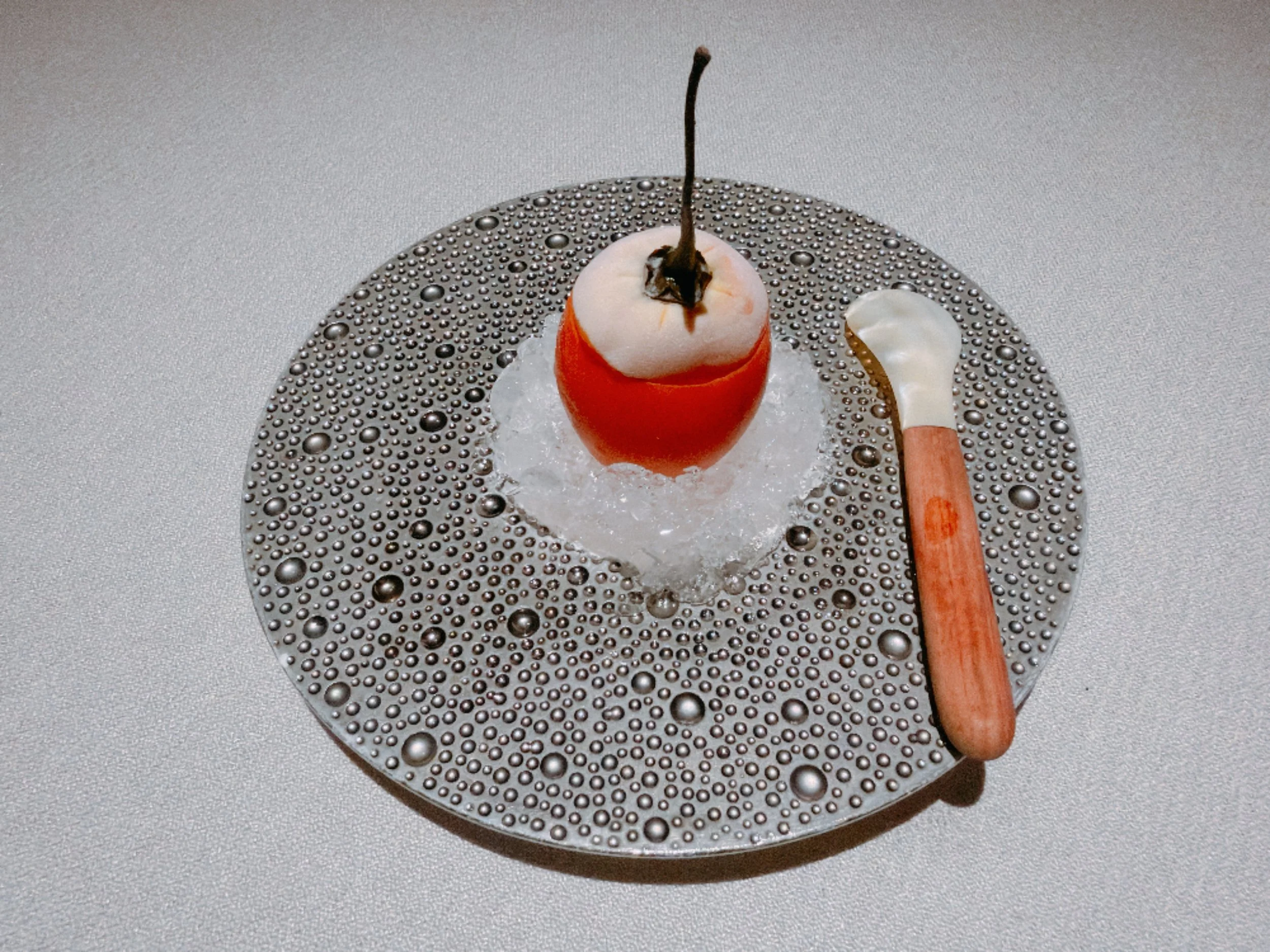
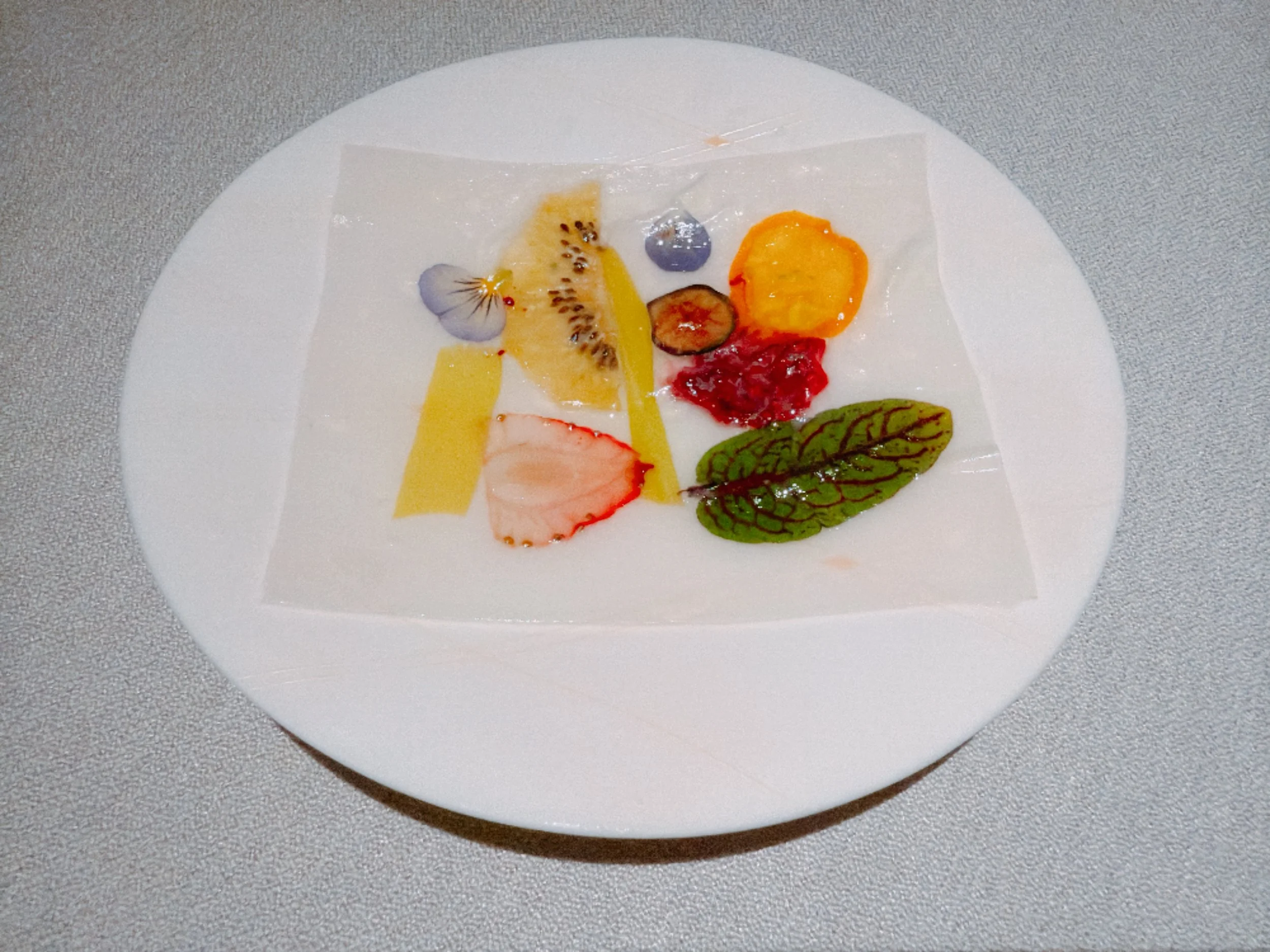
Three desserts concluded the dinner. First, I tried a soy milk ice cream that came with various berries, red beans, glutinous rice balls (similar to boba) and a fruit jelly. The ice cream had a very distinct soy milk flavor, but the strawberries were (oddly enough) not very sweet. I thought that I noticed a whiff of Sichuan pepper as well, but that might have been my taste receptors finally giving up the ghost 14. Next was a fermented tomato (tamarillo), served in its own skin. This dish was unusual: sour rather than sweet, and having a slightly slimy texture 11. Finally, there was rice paper wrapped around thinly pressed slices of flowers and fruit. This dish had to be eaten as a whole, and ended up tasting more of rice paper than its contents, which were only lightly fruity 12.
Overall: An enjoyable dinner with some nicely spicy dishes, and genuinely good appetizers. Some dishes fell a bit flat for me, but I'm admittedly not familiar enough with the local cuisine to judge how they would compare to what one might get at “regular” restaurants 14.